
Lieferung heute & morgen

Qualitätsgarantie

Willkommens-Angebote freischalten: KOSTENLOSE Lieferung | Bis zu 80 % RABATT | Kostenlose 30-Tage-JoyPlus-Testphase
App herunterladen
A wooden puzzle is more than just a toy. It's a tool that can support a child's development in numerous ways—from fine motor skills to logical thinking. But the market is crowded, and not every product delivers on its promise. Many parents and grandparents invest, assuming they are buying a high-quality, safe product, only to later discover it's unsuitable or even unsafe for their child.
This guide highlights the most common purchasing pitfalls and explains the crucial features you should look for to make an informed decision.
Before we dive into the hallmarks of quality, it's important to understand the typical problems that lead to disappointment and unnecessary expense.
To avoid these traps, focus on objective and verifiable parameters. These three criteria are essential for making a sound purchasing decision.
Safety is the most important criterion, especially for toys intended for young children. Look for the following standards and features:
A good wooden puzzle is always geared towards a specific area of development. Consider which skill you want to promote:
Here is a selection of products tailored to different needs and age groups.
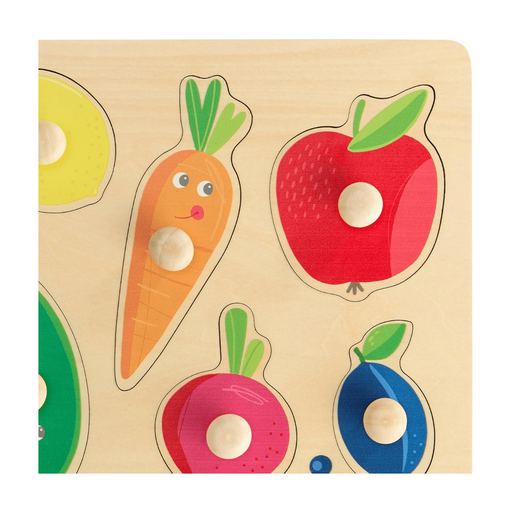
Why This Fits Their Persona: Ideal for parents and grandparents looking for a first, safe, and educationally sound puzzle for a toddler from 12 months. The focus is clearly on promoting fundamental motor skills.
The clear age recommendation and simple design with few pieces avoid the frustration trap. As a product from an established German manufacturer (HABA), the focus is on verifiable safety standards and child-friendly craftsmanship.
Large, sturdy wooden knobs are specially designed for small hands, making them easy to grasp. Specifically promotes hand-eye coordination and the recognition of shapes and colours.
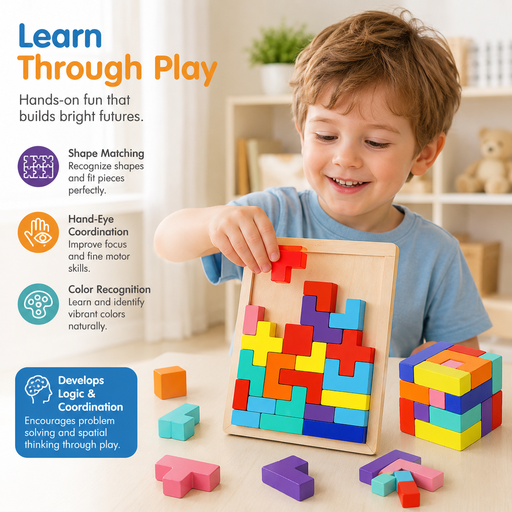
Why This Fits Their Persona: Suitable for families looking for a versatile game that goes beyond a simple puzzle. It appeals to both children and adults, fostering creativity and logical thinking.
This game avoids the trap of limited versatility. It's not just a puzzle with a single solution but a building set for countless patterns and figures, significantly increasing its play value.
Promotes spatial reasoning and problem-solving skills. Can be used as a relaxing patience game for children or as a creative tool.
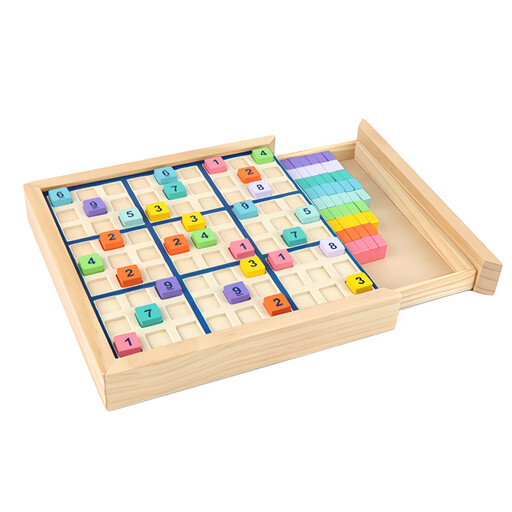
Why This Fits Their Persona: Perfect for older children, teens, and adults looking for a sophisticated mental challenge. A durable, screen-free alternative to digital puzzle apps.
The sturdy wooden construction with an integrated drawer for the pieces is designed for longevity. As a classic logic puzzle, it has a timeless and clearly defined purpose that doesn't depend on fleeting trends.
Trains systematic thinking and concentration. The combination of different Sudoku sizes (4x4, 6x6, 9x9) allows the difficulty level to be adjusted.
We have compiled a complete, up-to-date list of products that fully meet these strict selection criteria and rigorous safety standards.
A wooden puzzle can be beneficial from as early as 12 months old. The key is to choose the right type:
Wood is a natural material and should not be submerged in water or cleaned in a dishwasher. To clean, simply wipe the surface with a slightly damp cloth and, if necessary, a mild soap solution. Dry the puzzle thoroughly immediately afterwards to prevent the wood from swelling.
Look for a combination of features: The CE mark in conjunction with the EN 71 standard. Check the craftsmanship for smooth surfaces and rounded edges. The manufacturer should explicitly declare saliva-proof paints (especially for toys intended for children under 3). Ensure the puzzle contains no small parts that could be swallowed if it is intended for children under 36 months.