
Lieferung heute & morgen

Qualitätsgarantie

Willkommens-Angebote freischalten: KOSTENLOSE Lieferung | Bis zu 80 % RABATT | Kostenlose 30-Tage-JoyPlus-Testphase
App herunterladen
Finding the first puzzle for a child around their first birthday can be a challenge. The market offers a wealth of options, but not every toy advertised as "educational" delivers on its promise. An ill-suited puzzle quickly leads to frustration rather than joy and development. This guide will help you identify the essential features of a good wooden puzzle and avoid common purchasing pitfalls.
Before deciding on a model, it's helpful to know the typical problems that can arise with wooden puzzles for toddlers.
To ensure a wooden puzzle for ages 1 and up is both enjoyable and safe, three key aspects should be examined.
For toddlers who also explore their world with their mouths, the material is of paramount importance.
The shape and handling of the puzzle pieces are crucial for fun and learning.
A baby puzzle for 12 months should have a simple, recognisable theme.
Here are some recommendations tailored to different requirements and developmental stages.
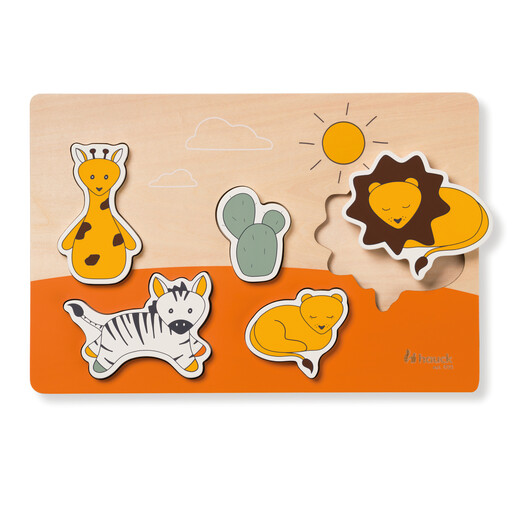
Why it's a great fit: Ideal for beginners who are just discovering the concept of puzzling. The simple animal shapes and large knobs are perfectly tailored to the motor skills of one-year-olds.
This puzzle avoids the trap of over-complexity. Each animal has a unique shape and its own dedicated spot, which prevents frustration and creates quick moments of success.
Made from FSC-certified wood with rounded edges for safe play. Specifically promotes hand-eye coordination and animal recognition.
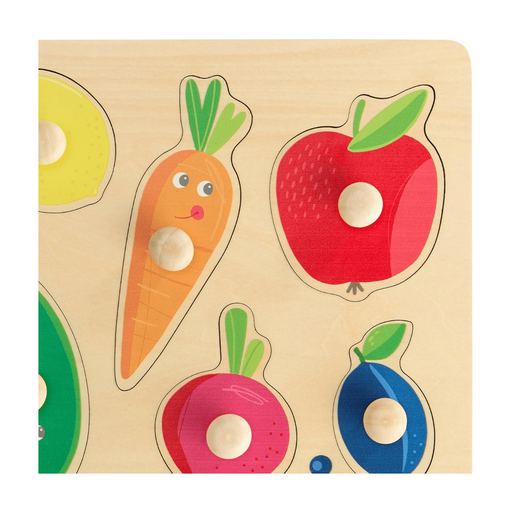
Why it's a great fit: For parents who value a clear educational focus. The puzzle combines shape matching with learning about fruits and colours.
Instead of vague learning promises, this puzzle offers a concrete benefit: naming and matching fruits and colours. The learning effect is clearly defined and easy to see.
High-quality wood and large, easy-to-grasp wooden knobs. The Haba brand is renowned in Germany for its durable and safe wooden toys.
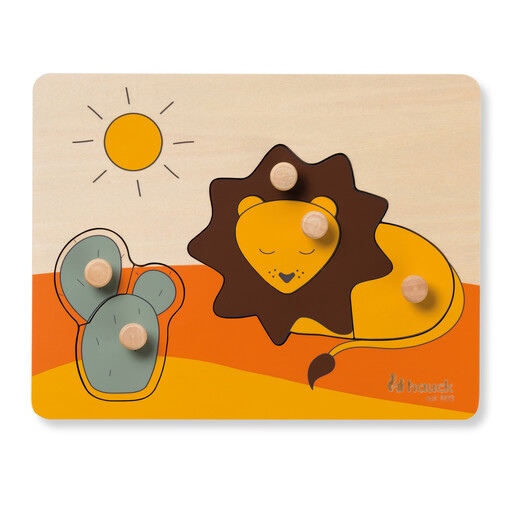
Why it's a great fit: Once a child has mastered simple peg puzzles, this model offers a new challenge. Multiple pieces must be correctly assembled to form a single animal figure.
This puzzle is a thoughtful next step, avoiding the trap of sticking with overly simple puzzles for too long. It promotes shape recognition on a more complex level without being overwhelming.
Specifically promotes the understanding of relationships and fine motor skills. The pieces are still equipped with practical wooden knobs and are made from FSC-certified wood.
We have compiled a complete, up-to-date list of products that fully meet these strict selection criteria and German safety regulations.
Most children begin to show interest in simple puzzles around the age of 12 months. A good indicator is when your child starts to purposefully grasp objects and put things into containers. A peg puzzle with large knobs is often the ideal starting point.
Wooden toys should not be submerged in water or cleaned with harsh chemicals. Simply wipe the surfaces with a slightly damp cloth. For heavier soiling, a mild soap solution can be used. Make sure to let the wood dry thoroughly afterwards. The manufacturer's product information often contains specific care instructions.
Look for quality seals and certifications. The CE mark is mandatory in the EU and confirms compliance with basic safety requirements. The EN 71 standard regulates toy safety, including mechanical properties and the chemical composition of paints. An FSC seal also provides information about the sustainable origin of the wood. High-quality, smooth workmanship with no sharp edges or loose parts is also an important quality feature.