
Lieferung heute & morgen

Qualitätsgarantie

Willkommens-Angebote freischalten: KOSTENLOSE Lieferung | Bis zu 80 % RABATT | Kostenlose 30-Tage-JoyPlus-Testphase
App herunterladen
A salad bowl is more than just a container; it's a centrepiece on the dining table that combines both functionality and aesthetics. However, choosing the right model can be a challenge given the vast array of materials, sizes, and designs. Whether for daily family use, entertaining guests, or as a stylish gift, the requirements vary.
This article serves as your guide. It highlights the key criteria to consider when selecting a salad bowl and presents a curated selection of different models to help you make an informed decision.
The right bowl depends on your individual needs and its intended use. Three main factors are crucial.
The material affects not only the look but also the durability and maintenance required.
Size is a critical factor. For a multi-person household or if you frequently entertain guests, a large salad bowl with a capacity of two litres or more is a sensible choice. Smaller bowls are suitable for individual portions or as side dishes. The shape—whether round, oval, or asymmetrical—affects not only how easily you can toss the salad but also its presentation as a designer serving bowl.
Some models offer practical extra features. A salad bowl with servers is a coordinated, ready-to-use set. Bowls with a non-slip base, like those found in some mixing bowl sets, provide stability during preparation. Stackable bowls save valuable space in your kitchen cabinets.
Here is a selection of bowls distinguished by their different materials and features.
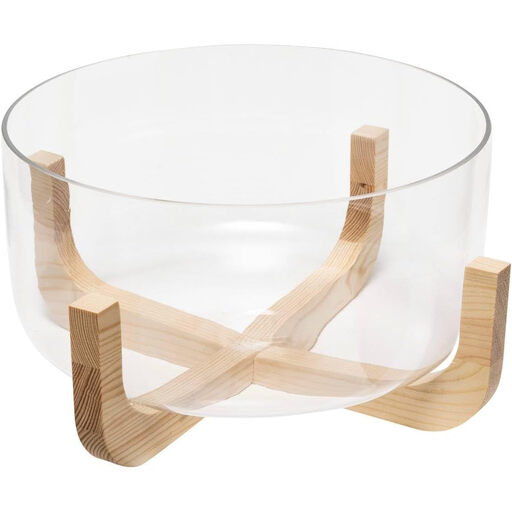
What makes it special: This bowl combines the transparency of glass with the natural appeal of a wooden stand. Its modern design allows for a stunning presentation of colourful salads, keeping all the ingredients clearly visible.
Advantages:
Best for: Hosts who appreciate a stylish, modern presentation on their dining table and want to highlight the visual appeal of their dishes.
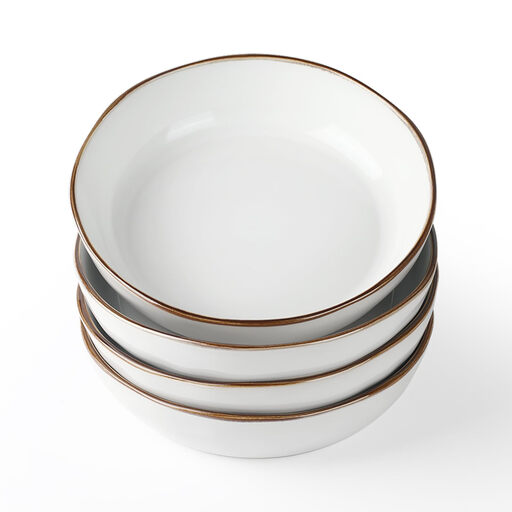
What makes it special: This set consists of four stoneware bowls that feature a unique, pearlescent finish thanks to a reactive glaze. Each bowl is one-of-a-kind and its flat shape makes it suitable for a variety of dishes.
Advantages:
Best for: Individuals and households looking for a practical yet elegant dinnerware set for everyday use, suitable for pasta, salads, or soups.
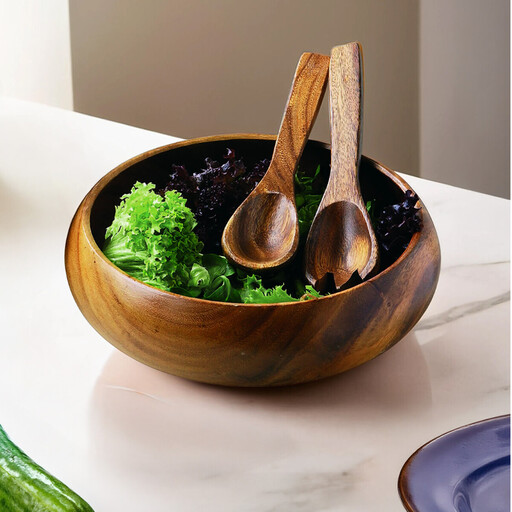
What makes it special: This classic large salad bowl is crafted from acacia wood and stands out with its beautiful natural grain. With a generous capacity, it is ideal for family meals or entertaining guests.
Advantages:
Best for: Anyone who needs a durable and timeless wooden serving bowl for larger quantities and appreciates the natural charm of the material.
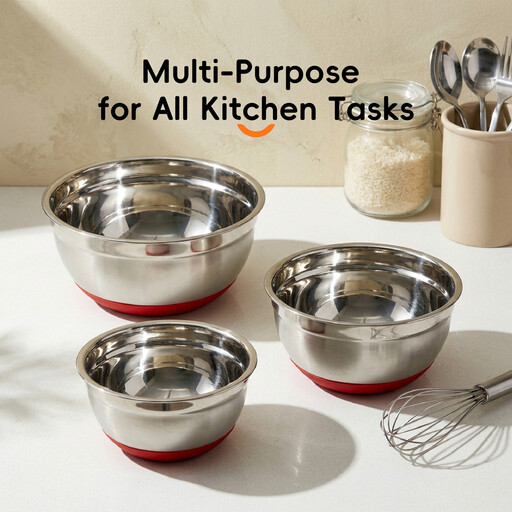
What makes it special: This functional mixing bowl set made of stainless steel includes three bowls in different sizes. The silicone base ensures non-slip stability while mixing and protects countertops from scratches.
Advantages:
Best for: Home cooks who need a versatile and robust bowl set for all kinds of food preparation, from mixing dough to tossing salads.
Haven't found the right bowl yet? Every kitchen and occasion has different needs. If you're looking for more materials, sizes, or designs, you'll find a wider selection in our comprehensive category.
Discover more models in our Salad Bowls category.
A wooden salad bowl should only be washed by hand with lukewarm water and a mild detergent. It is important to avoid soaking the bowl in water and to dry it thoroughly immediately after washing. To prevent the wood from drying out and to preserve its grain, you can occasionally treat it with a food-safe mineral oil. Wooden bowls are not suitable for the dishwasher or microwave.
Yes, a wooden serving bowl is very versatile. It works well as a wooden fruit bowl or for serving bread and dry snacks like crisps or nuts. You should avoid highly pigmented, very wet, or hot foods, as they can soak into the wood, leave behind odours, or damage the material.
Materials with a non-porous surface, such as glass and stainless steel, are considered especially hygienic. They are easy to clean, generally dishwasher-safe, and do not absorb odours or bacteria. With proper care and sealing, wood is also suitable for food contact but requires more careful handling to remain hygienic.