
Lieferung heute & morgen

Qualitätsgarantie

Willkommens-Angebote freischalten: KOSTENLOSE Lieferung | Bis zu 80 % RABATT | Kostenlose 30-Tage-JoyPlus-Testphase
App herunterladen
A wooden shelf can keep books, kitchen utensils, decorations or accessories neatly organised. However, attractive product images and terms such as “solid”, “space-saving” or “sturdy” do not automatically lead to the right purchase decision. What matters are the actual dimensions, the material, the mounting method and the intended use.
Not every shelf with a wood-effect finish is made from natural wood. Solid wood, MDF and melamine-coated engineered wood differ in terms of weight, surface finish, care requirements and load capacity. A desk shelf made from melamine board may be suitable for books and office supplies, but it is not a solid-wood product. This information should be checked carefully in the product description.
Any stated maximum load capacity only applies when the shelf has been assembled correctly or secured to a suitable wall. For a wooden wall shelf, the wall material, wall plugs, screws and even weight distribution all play an important role. A hanging shelf installed on a plasterboard wall requires different fixings from one mounted on concrete or masonry.
A narrow shelf can look spacious in photographs. In practice, however, depth, shelf height and footprint determine whether books, files, bottles or decorative items will actually fit. Before buying, measure the available space and take doors, sockets and walkways into account.
Many types of wood and engineered wood are suitable for dry living spaces. In the kitchen or bathroom, the description should include information about sealing or lacquering. A lacquered surface is usually easier to wipe clean, but it does not replace protection against permanently standing moisture.
Look out for the following information:
A freestanding shelf or bookcase needs sufficient floor space and should be positioned securely if it is particularly tall. A space-saving shelf, on the other hand, makes use of vertical space on the wall or desk.
Check the following:
For small workspaces, an adjustable desk shelf can be a practical choice. A display shelf with open compartments is better suited to lightweight items. Heavy books or crockery require a construction with an appropriately stated load capacity.
For a floating shelf or wooden wall shelf, use wall plugs suitable for the type of wall. After installation, check that the shelf is level and that all screws have been tightened securely. In many cases, cleaning with a dry or slightly damp cloth is sufficient. Abrasive cleaning products and prolonged exposure to moisture can damage wooden surfaces and coatings.
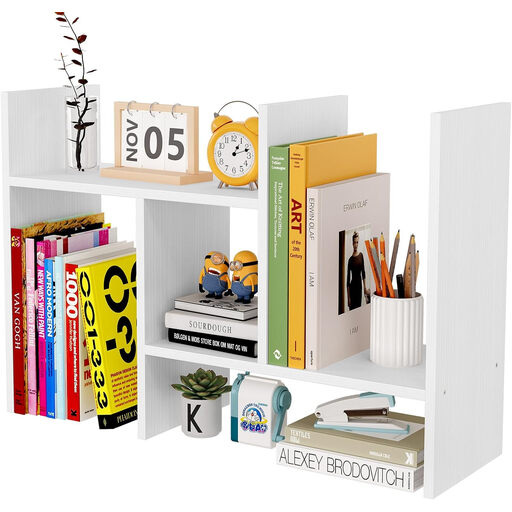
Why this product suits this profile: The two-tier desk shelf can be adjusted from 41 to 73 cm in width, making use of the space above your workstation.
The material information clearly states that it is made from melamine board rather than solid wood. This makes it easier to assess whether it is the right product for your needs.
Adjustable width from 41 to 73 cm; two shelves; screws and screwdriver included according to the product information.

Why this product suits this profile: Made from FSC-certified solid rubberwood, this wall shelf combines two shelves with a metal bracket and is suitable for hallways, kitchens, bathrooms or home offices.
The product information specifies the material, lacquer finish, mounting accessories and a maximum load capacity of 44 lb. The fixings must be suitable for the wall.
Solid rubberwood, aluminium alloy, two shelves and versatile open storage for books, plants or spices.
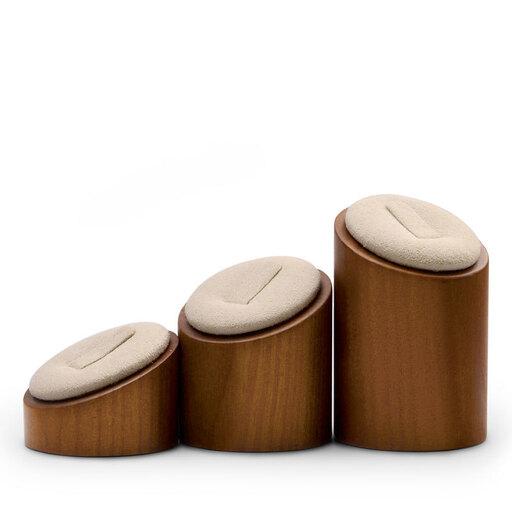
Why this product suits this profile: This display stand is designed for retailers, exhibitors and individuals who want to arrange rings at three different heights.
Its function is clearly limited to displaying rings. This prevents you from buying a general-purpose shelf that offers too little visibility for small jewellery pieces.
Three heights of 3.2, 5.2 and 7.2 cm; wooden base with grey microfibre; no assembly required.
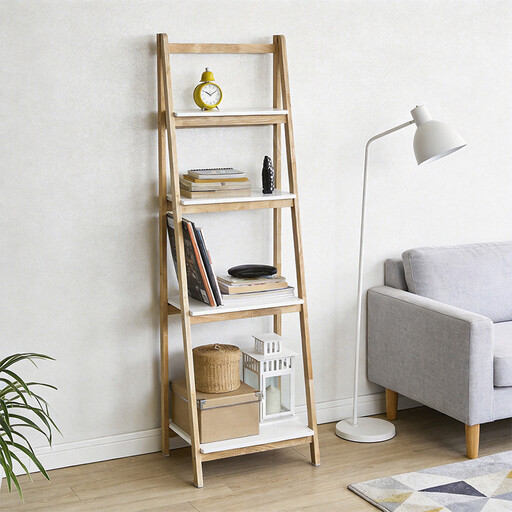
Why this product suits this profile: The folding freestanding shelf offers four levels for books, towels, kitchen accessories or plants and can be stored away compactly when not in use.
The dimensions of approximately 42 × 140 × 34 cm and the load capacity of up to 15 kg per shelf provide a clear basis for planning available space and weight distribution.
Four levels, folding design, rubberwood frame and MDF shelves; suitable for a range of rooms.
We have put together a complete, regularly updated list of products that fully meet these strict selection criteria and the safety regulations applicable in the EU.
First, check the wall material and the intended position. Use wall plugs and screws suitable for concrete, masonry or plasterboard. Do not place any weight on the shelf until all brackets are firmly secured. Heavy items should be distributed evenly.
Its lifespan depends on the material, workmanship, load, humidity and care. A shelf in a dry living space is generally exposed to fewer environmental factors than a kitchen or bathroom shelf. Overloading, standing water and loose connections can shorten its service life.
A wooden shelf does not require electricity and therefore has no ongoing energy costs. The only potential expenses to consider are mounting accessories, wall anchors, care products or replacement parts. For a display stand for jewellery or glasses, transport and packaging costs may also be relevant.
A hanging shelf or shelf with hooks is suitable for hallways and entrance areas. A bookcase or freestanding shelf provides more storage space in the living room. A desk shelf is a good fit for small workspaces. A kitchen shelf should be easy to clean, while a display shelf or display stand is primarily designed to keep items clearly visible.