
Lieferung heute & morgen

Qualitätsgarantie

Willkommens-Angebote freischalten: KOSTENLOSE Lieferung | Bis zu 80 % RABATT | Kostenlose 30-Tage-JoyPlus-Testphase
App herunterladen
A wooden shelving unit can store books, display ornaments or keep folders and everyday essentials neatly organised. In practice, unclear material descriptions, failing to check dimensions and overestimating load capacity often lead to unsuitable purchases. Our guide explains which details matter before you buy a wooden shelving unit, and which model suits different rooms and uses.
Many shelving units are made from MDF, fibreboard or coated boards. That isn’t necessarily a drawback, but these materials differ from solid wood in their construction, weight and care requirements. So, always check that a wooden bookcase has a clear material description. Terms such as ‘vintage wood’ or ‘rustic shelving’ often refer to the finish rather than solid wood.
A freestanding shelving unit may look narrow in product photos but still be quite deep. Before ordering, measure the available floor space, doorways, skirting boards and distance from radiators. Shelf height also matters for a living room or home office: folders need more room than paperbacks or small ornaments.
Don’t assume a shelving unit’s total load capacity applies to each individual shelf. Check the stated load per shelf, the overall capacity and whether the weight needs to be distributed evenly. Put heavy books on the lower shelves wherever possible. For tall or narrow furniture, check whether wall fixing is provided or recommended.
A solid wood shelving unit can create a different look from an MDF unit, thanks to its visible grain and robust structure. MDF stands for medium-density fibreboard and is often finished with melamine or paint. These coatings can make cleaning easier, but that doesn’t mean they’re completely resistant to scratches or moisture.
For industrial-style shelving, vintage shelving or rustic shelving, the colour isn’t the only thing to consider. Check the details about the edges, finish and metal components. In the kitchen, use a kitchen shelving unit only in a suitable indoor area and keep it well away from direct steam.
A 3-tier shelving unit is often suitable for small storage needs, plants or a few books. A 4-tier unit makes good use of corners, while a 6-tier bookcase offers considerably more vertical storage. As well as height and width, check the shelf depth.
A wall-mounted shelf saves floor space, but it needs to be suitable for your wall type and fixing materials. A freestanding shelving unit is easier to position, but taller models may need extra securing. In student accommodation, narrow hallways and small studies, a space-saving shelving unit with a shallow depth may be a better choice than a wide piece of furniture.
Check whether the shelving unit needs assembling and whether it must be fixed to the wall. Follow all the assembly instructions and make sure every fitting is secure. Don’t use the shelving unit as a ladder or seat. If you have children at home, take extra care with anti-tip measures and where you position it.
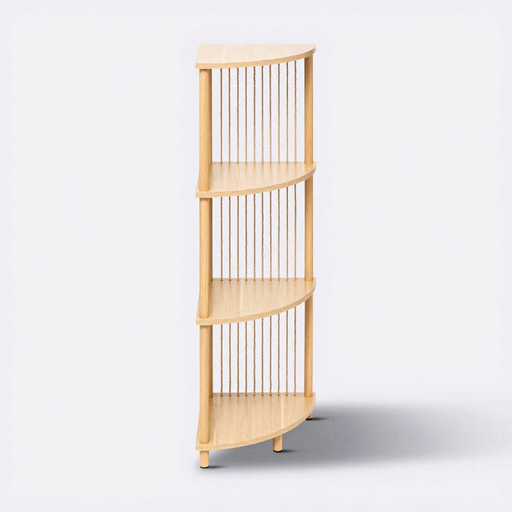
Why this product suits this profile: With a footprint of 34 × 34 cm, this corner unit makes use of an awkward corner and has four shelves for books, plants or ornaments.
The product details specify the material, dimensions, four shelves and a maximum total load of 10 kg, making it easier to plan how you’ll use it.
Compact footprint, four shelves, an MDF top with a melamine finish and adjustable-height steel feet.
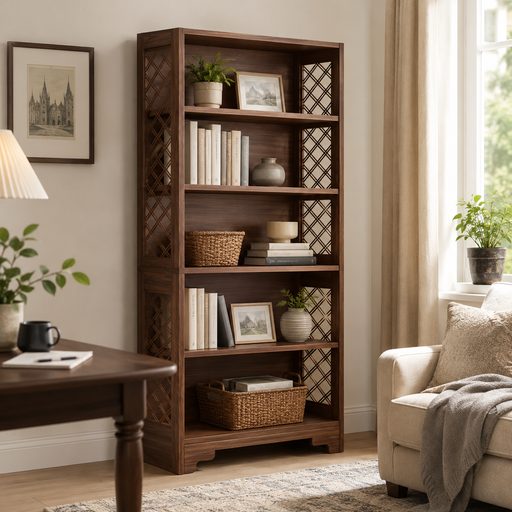
Why this product suits this profile: This 180 cm-tall freestanding unit has six open shelves and is ideal for storing a large book collection and folders, or displaying ornaments in the living room or home office.
The height, 30 cm depth, MDF construction and load limits are clearly specified. The instructions call for secure assembly and even weight distribution.
Six open shelves, dimensions of 80 × 30 × 180 cm, a total load capacity of up to 136 kg according to the product details, and a scratch-resistant finish according to the description.
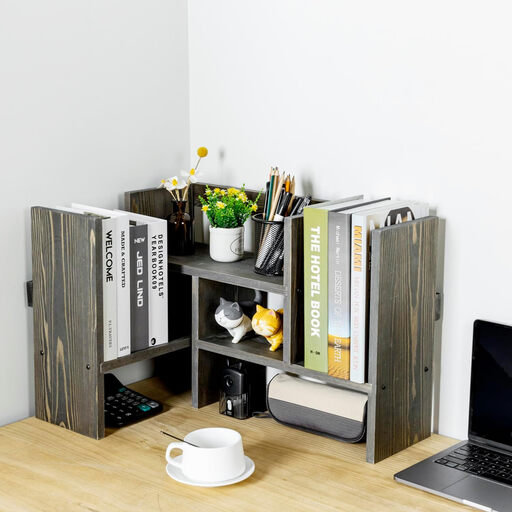
Why this product suits this profile: This compact desktop shelving unit is designed for desks, small studies or student accommodation, with adjustable shelves.
The product description specifies solid wood, three shelves, a shelf depth of 6.7 inches and the option to adjust the shelf heights.
Solid wood according to the product details, adjustable shelves and compact dimensions of 15.7 × 6.7 × 15.4 inches.
We’ve put together a complete, regularly updated list of products that meet these strict selection criteria and fully comply with the safety regulations in force in the EU.
Place the unit on a level, dry surface and check all the fittings after assembly. Tall or narrow models should be secured to the wall as instructed. Choose suitable wall plugs and screws for your wall material; these aren’t always included.
Its lifespan depends on factors including the material, load, humidity, assembly and care. Distributing weight evenly, keeping the unit in a dry indoor space and following the stated load limits can help you use it in line with its material and design. Avoid direct contact with water and harsh cleaning products.
A slim freestanding unit, corner unit or wall-mounted shelf can work well in a small room. Measure the available space first, then choose the number of shelves based on how much storage you actually need. A 3-tier unit or compact desktop shelf may be enough for ornaments and a few books, while a tall 6-tier bookcase makes use of vertical space.