
Lieferung heute & morgen

Qualitätsgarantie

Willkommens-Angebote freischalten: KOSTENLOSE Lieferung | Bis zu 80 % RABATT | Kostenlose 30-Tage-JoyPlus-Testphase
App herunterladen
A high-quality wooden sun lounger is more than just a piece of garden furniture—it's a place of relaxation and an aesthetic highlight for any outdoor space. Whether on the patio, balcony, or in the garden, choosing the right model is key to your comfort and its longevity. This guide offers practical advice to help you select a wooden lounger that meets your functional and visual requirements.
The decision to purchase a wooden garden lounger depends on several factors. Material, functionality, and maintenance are crucial for ensuring satisfaction for years to come.
The type of wood is the primary determinant of your lounger's weather resistance, appearance, and maintenance needs.
Modern wooden loungers offer various features that increase user comfort. An adjustable wooden lounger is among the most sought-after models. A multi-position adjustable backrest allows you to flexibly change your position—from sitting upright to read to a completely flat reclining position. Integrated wheels make it easy to move, so the lounger can effortlessly follow the sun or be stored away when not in use.
A weather-resistant wooden lounger will only maintain its quality with proper care. Untreated or oiled wood should be treated regularly with a suitable care oil, typically once or twice a year. This protects the material from moisture and UV radiation and revives its colour. During the winter months, it is advisable to store it in a dry, protected place or use a suitable protective cover.
Based on material properties, functionality, and design, we have curated a few models for you.
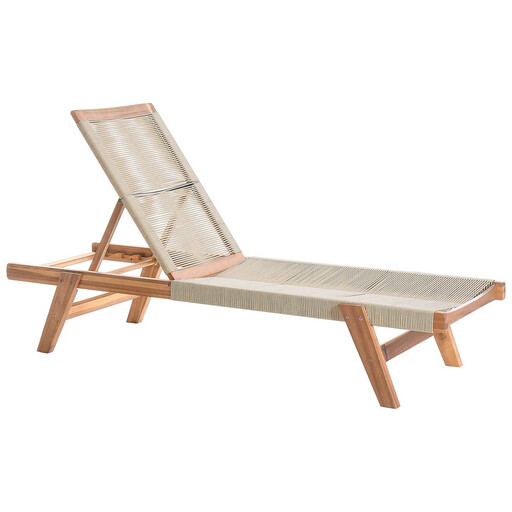
Why it stands out: This model combines a classic design with functional details. The solid acacia wood frame ensures stability and a natural look, while the woven rope surface adds a modern touch and enhances comfort.
Advantages:
Who is it for? For those looking for a classic and durable wooden lounger for the garden or a lounger for the patio, who value natural materials and a timeless appearance.
Sometimes, a different furniture concept might better suit individual needs or the layout of your outdoor space. Here are two alternative options.
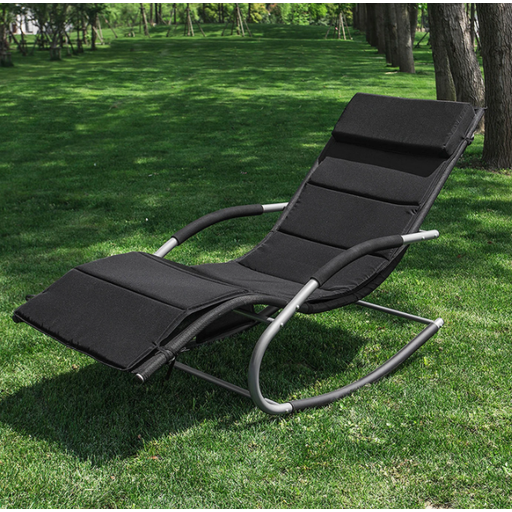
Why it stands out: This lounger focuses on ergonomic comfort. The zero-gravity position is designed to relieve pressure on the body. Instead of wood, it uses a powder-coated steel frame and a breathable textile fabric, making the lounger particularly low-maintenance.
Advantages:
Who is it for? For users who prioritise maximum ergonomic comfort and low maintenance and are looking for a versatile lounger for the garden, balcony, or camping.
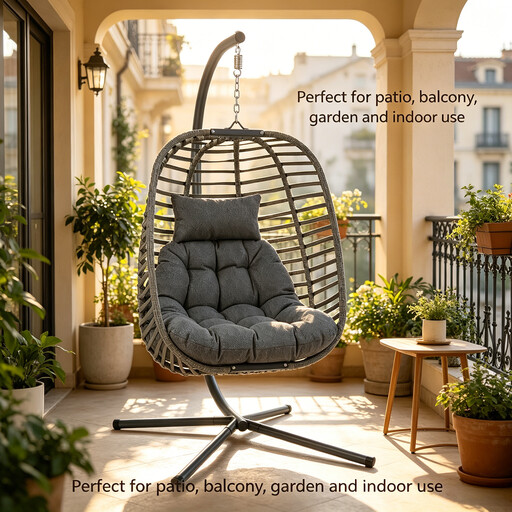
Why it stands out: The egg-shaped hanging chair creates a cosy and visually appealing retreat. It utilises vertical space, making it well-suited for areas with limited floor space, such as balconies.
Advantages:
Who is it for? For individuals who want to create a stylish and space-saving relaxation spot and prefer an alternative to a traditional lounger.
Is your search more specific? Perhaps you need a lounger that also looks great on the shallow shelf of a pool. Discover more specialised models in our category for Sun Loungers for Shallow Water.
Hardwoods like teak, acacia, or robinia are well-suited for outdoor use due to their high density and natural oil content. Teak is considered particularly weather-resistant but requires a higher investment. Acacia wood offers excellent durability at a balanced value for money.
To protect the wood from the elements and maintain its colour, treatment with a care oil is recommended once or twice a year. A good time is at the beginning of the garden season and again before storing it in the autumn.
An adjustable backrest allows you to change the incline of the upper section in several stages. Three to five positions are common. This allows for an upright sitting position for reading, a slightly reclined position for relaxing, and a completely flat surface for sunbathing or a nap.