
Lieferung heute & morgen

Qualitätsgarantie

Willkommens-Angebote freischalten: KOSTENLOSE Lieferung | Bis zu 80 % RABATT | Kostenlose 30-Tage-JoyPlus-Testphase
App herunterladen
Wooden toys are a popular choice for parents and gift-givers alike. They are considered durable, educationally valuable, and eco-friendly. However, the market can be overwhelming, and not every product lives up to its advertising claims. Before you make a purchase, it's crucial to understand the common pitfalls that often lead to disappointment and unnecessary expense.
As your Joybuy Product Recommendation Officer, I'm here to help you separate marketing hype from hard facts. This guide focuses on the objective criteria that truly matter, ensuring you find a wooden toy that is both safe and perfectly suited to your needs.
Many buyers are swayed by appealing designs or vague marketing promises. However, this can lead to issues that compromise both play value and safety.
To avoid these pitfalls, focus on verifiable features. These three parameters are crucial for safety, durability, and enjoyment.
Your child's safety is the top priority. Don't rely on generic claims; instead, look for specific certifications and labels.
A good educational wooden toy is precisely tailored to the motor and cognitive skills of its target age group.
Based on these objective criteria, we have identified several products that are well-suited for different user profiles.
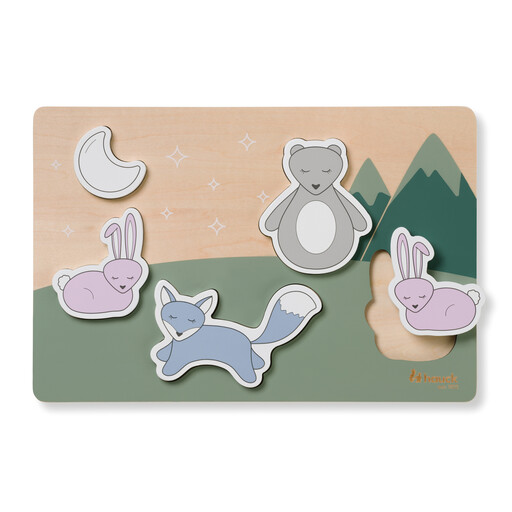
Why it's a good fit: Perfect for first puzzle attempts. The pieces are large enough for small hands, and the motifs are easy to match. It specifically promotes fine motor skills and shape recognition without being overwhelming.
The puzzle is explicitly designed for children 12 months and older and features rounded edges to minimise the risk of injury. The wood used is FSC certified, which substantiates its sustainability claim.
The simple, clearly defined shapes and the easy-to-grip design of the puzzle pieces are optimally tailored to the motor skills of toddlers.
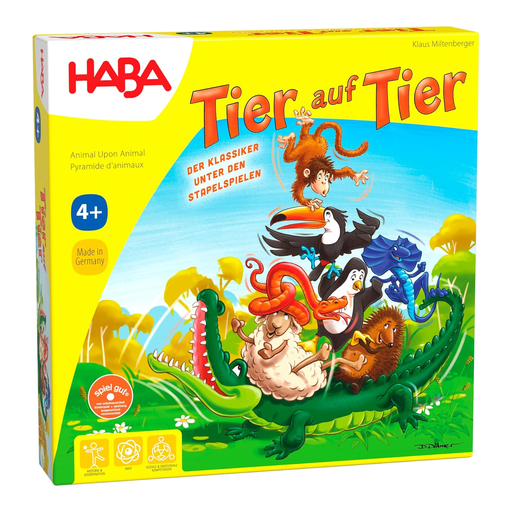
Why it's a good fit: This game challenges older children to refine their fine motor skills and concentration. It's a social game that can also be played alone and offers high replay value.
The age recommendation of 4 years and up is appropriate for the required dexterity. The wooden pieces are crafted to a high standard to allow for precise stacking and ensure a long lifespan.
Playfully promotes hand-eye coordination and strategic thinking. The different animal shapes provide a varied and engaging challenge.
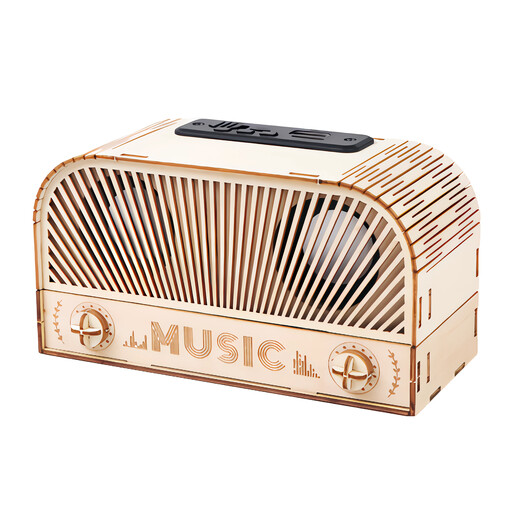
Why it's a good fit: This kit is a prime example of a 3D wooden puzzle for adults. It combines the joy of crafting with a practical use and is an ideal gift for tech-savvy individuals.
As a kit for adults, it bypasses any toddler safety concerns. The precision-crafted wooden parts ensure a good fit and a functional final product, which avoids the frustration of poor craftsmanship.
The combination of mechanical assembly and electronic function (Bluetooth speaker) offers a unique and rewarding DIY experience.
We have compiled a complete, up-to-date list of products that fully meet these strict selection criteria and all required safety regulations.
Look for the CE mark and, ideally, an explicit mention of the EN 71 standard. Check the toy by hand: Are there any sharp edges or corners? Is the surface smooth and splinter-free? The paints should be declared as saliva-resistant. A simple rule of thumb is to use a small parts tester: if any part fits completely inside, it is unsuitable for children under three.
A slightly damp cloth is usually sufficient for cleaning. Do not use harsh cleaners or disinfectants, as they can damage the wood and paint. The toy should never be submerged in water or cleaned in a dishwasher. After cleaning, let it air dry completely, but avoid direct sunlight or proximity to heaters, as the wood could warp.
Not necessarily. A wooden toy is only a sustainable choice if the wood comes from certified, responsibly managed forests (e.g., FSC or PEFC). The varnishes used in production, manufacturing conditions, and transportation routes also play a role. However, a high-quality, certified wooden toy is often a very durable and eco-conscious alternative to short-lived plastic toys.