
Lieferung heute & morgen

Qualitätsgarantie

Willkommens-Angebote freischalten: KOSTENLOSE Lieferung | Bis zu 80 % RABATT | Kostenlose 30-Tage-JoyPlus-Testphase
App herunterladen
Wooden toys are synonymous with durability, a pleasant tactile feel, and educational value. However, not every product marketed as a natural toy meets expectations for quality and safety. Before you make a purchasing decision, it's crucial to understand the common pitfalls that can lead to disappointment or even safety concerns. This guide will help you separate the wheat from the chaff.
Many products look high-quality at first glance but reveal their weaknesses only after being used. Pay special attention to these three points to avoid a poor investment:
To ensure you get a high-quality and safe product, you should check three core parameters. These will help you make an informed decision that goes beyond mere marketing.
The choice of material is fundamental. Look for products made from solid wood instead of plywood or MDF boards, which often contain more adhesives. Recognised seals and declarations are also crucial:
A toy only reaches its full potential if it matches the child's developmental stage.
The following selection showcases products that meet specific criteria regarding safety, functionality, and age-appropriateness.

Why This Fits Their Persona: Ideal for developing balance and gross motor skills in toddlers. The 2-in-1 function as a rocking animal and a seat offers long-lasting utility, while the design sparks the imagination. A great first gift idea for children of this age.
According to the manufacturer, the product uses FSC-certified wood and non-toxic, water-based finishes. This directly addresses the concern of hidden toxins. The sturdy construction with handles and a backrest minimises safety risks.
2-in-1 function: Rocker and seat in one. Made from sustainably sourced wood. Specifically promotes a sense of balance.
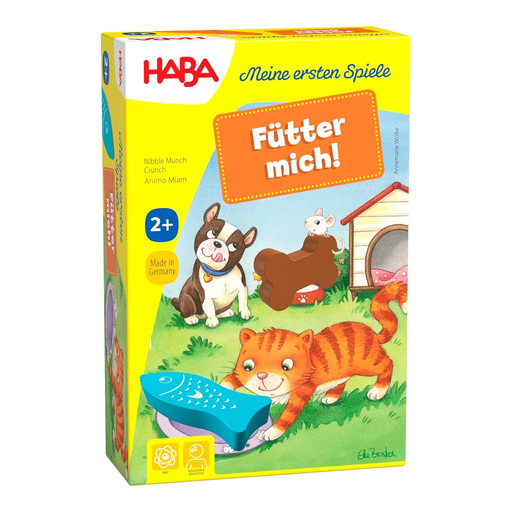
Why This Fits Their Persona: This game is designed as an educational toy that introduces children aged 2 and up to first rules and the concept of matching. It playfully promotes concentration and fine motor skills.
The game avoids the pitfall of lacking educational value with its clear, age-appropriate concept. According to the manufacturer, the materials (beech wood and sturdy cardboard) are designed for small hands and robustly crafted, ensuring durability.
Specifically promotes concentration, memory, and fine motor skills. Cooperative gameplay with no losers. Multiple game variations for lasting appeal.
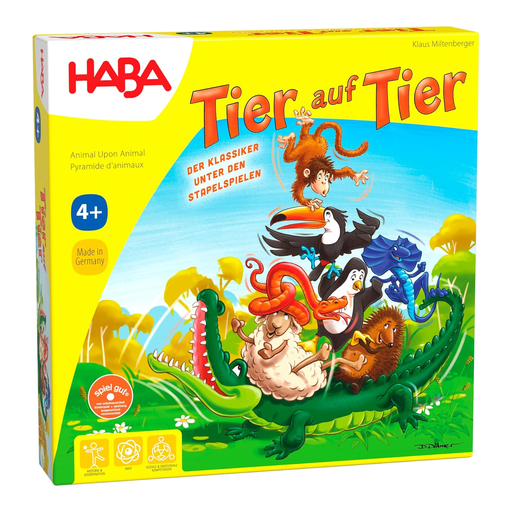
Why This Fits Their Persona: A classic for the whole family that trains hand-eye coordination and an initial understanding of physics. It demands patience and a steady hand, making it an excellent motor skills toy for older children.
The game pieces are made of solid wood and precisely crafted to allow for fair stacking. This prevents frustration from poorly balanced pieces. The use of non-toxic finishes (according to the manufacturer) ensures safety.
Promotes fine motor skills and concentration. Simple rules for a quick start to the game. Can be played alone or in a group.
We have compiled a complete, up-to-date list of products that fully meet these strict selection criteria and safety standards.
1. How do I properly clean and care for wooden toys? Most wooden toys should only be wiped with a slightly damp cloth. Avoid harsh cleaning agents or soaking them in water, as this can cause the wood to swell and damage the finish. Allow the toy to air dry completely after cleaning.
2. How can I identify safe and non-toxic wooden toys? Look for the marking for the European toy safety standard EN 71. Additional clues are provided by certificates like the FSC seal for sustainable forestry and manufacturer declarations about the use of water-based paints. A smooth surface without splinters or sharp edges is another important indicator of safe craftsmanship.
3. From what age is which wooden toy appropriate? The manufacturer's age recommendation is a good starting point. For children under three, large, sturdy pieces with no risk of being swallowed are essential. From around age three, more complex peg games, puzzles, or initial rule-based games can promote cognitive development. Observe your child's interests and abilities to make the right choice.