
Lieferung heute & morgen

Qualitätsgarantie

Willkommens-Angebote freischalten: KOSTENLOSE Lieferung | Bis zu 80 % RABATT | Kostenlose 30-Tage-JoyPlus-Testphase
App herunterladen
Wooden toys for children often seem straightforward: a few figures, a stacking tower or a rocking toy – and the purchase decision appears to have been made. In practice, however, unclear age recommendations, small individual parts or poorly designed construction can quickly lead to unsuitable purchases. This is particularly worth considering when buying gifts for children aged 3 and over, so take a closer look at the materials, intended use and safety information.
‘From 3 years’ is not a general statement about quality, but an important safety and usage recommendation. If a product contains small parts, it may be unsuitable for younger children, even if the basic play concept seems simple. With a hobby horse, stacking game or motor skills toy, parents should also consider whether the child can already grip, balance or follow rules safely.
The term ‘natural’ does not automatically mean that the wood comes from responsibly managed forests. If you are looking for sustainable toys, look for specific information such as FSC-certified wood. The origin, paints used and care instructions are also relevant. For painted wooden figures, the manufacturer should provide details about the surface treatment.
A toy with several functions is not automatically suitable for every household. A wooden rocking horse requires sufficient space and a level surface. A 2-in-1 rocking animal can only be a practical long-term choice if the conversion is stable and easy to understand. With a creative model-building project, meanwhile, the child’s age, patience and the time needed for assembly all need to be taken into account.
The manufacturer’s age recommendation should match the child’s stage of development and the intended place of use. For products with small parts, the rule is clear: children under 3 should not have access to them. For example, the HABA stacking game expressly warns of a possible choking hazard and is intended for children aged 4 and over.
With wooden toys for children aged 3 and over, regular checks for loose parts, damaged paintwork or splinters are also advisable. Direct adult supervision is particularly sensible with movement toys and games involving small figures.
Look out for:
FSC-certified wooden toys can help support a traceable choice of materials. However, the FSC mark refers to the origin of the wood and does not replace checks of the other safety features.
For rocking and balancing toys, you should consider the dimensions, weight and, where stated, maximum load capacity. This is particularly important if the toy will be kept in a child’s bedroom or used by several children.
A balancing game for children should be used on a suitable, level surface. With rocking toys, handles, footrests and a secure base are important. The available space in front of and behind the product should be greater than the product’s actual dimensions, so that the rocking movement does not end against furniture.
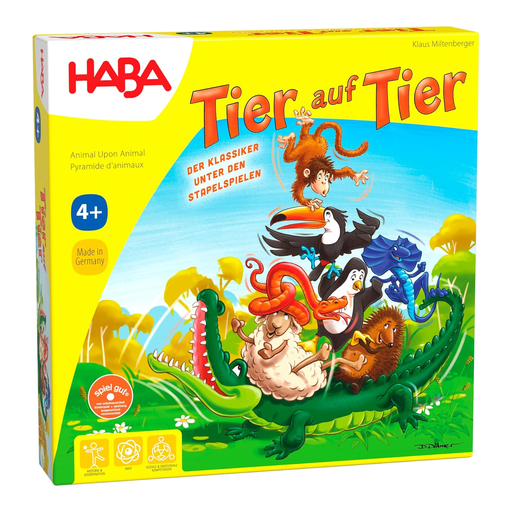
Why this product suits the profile: This wooden stacking game offers several ways to play for two to four people and can also be played alone. It is therefore suitable for families as well as individual play sessions.
The age recommendation of 4 and over and the warning about small parts make the usage requirements clear.
Wooden figures, 22,2 × 22,3 × 4,9 cm, 2–4 players, solo play possible.
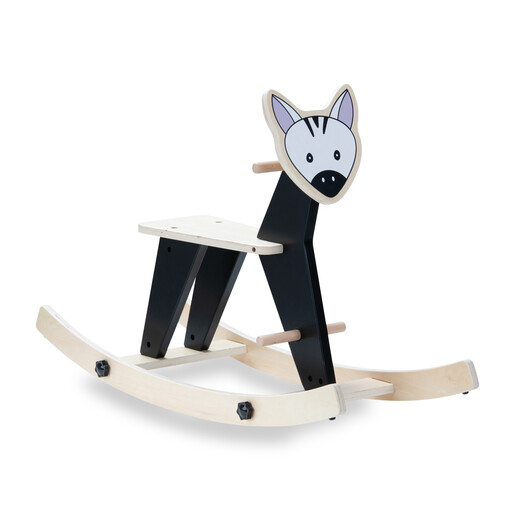
Why this product suits the profile: This rocking toy can be converted into a seat and is made from FSC-certified wood, according to the product information. It therefore combines two clearly defined ways to use it.
The design specifies handles, footrests and a specific conversion function. Screws should be checked before every use.
FSC-certified wood, 82 × 32,5 × 55 cm, age recommendation from 18 months to 10 years.
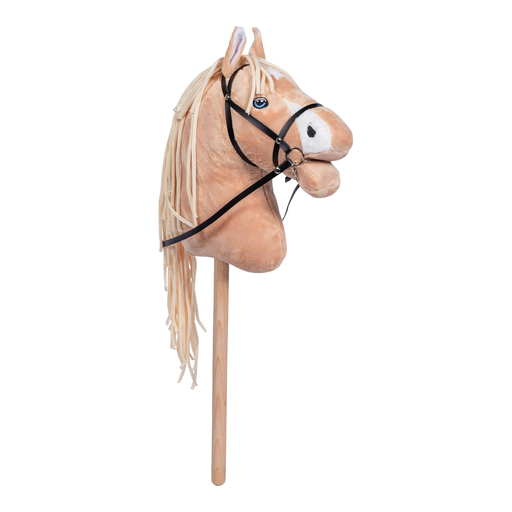
Why this product suits the profile: For children interested in hobby horsing, dressage or show-jumping courses, this model offers a clearly focused activity with removable bridle and long mane.
The product information expressly mentions small parts and the need for supervision. This makes it easier to assess the accessories before buying.
40 cm wooden stick, removable bridle, age recommendation from 3 years.
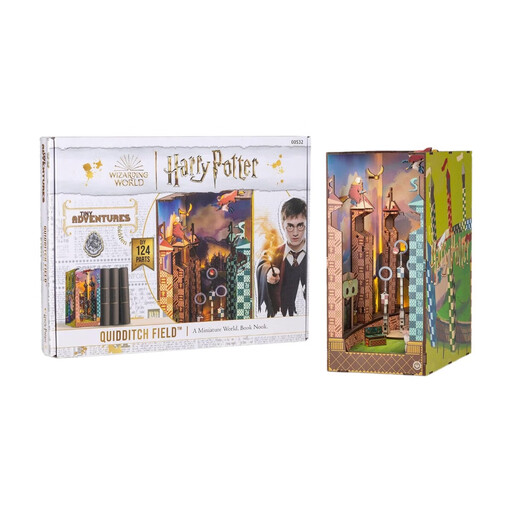
Why this product suits the profile: This model-making project is aimed at Harry Potter fans aged 10 and over. It combines creative building time with a decorative bookend for a shelf or reading area.
The age recommendation of 10 and over and the information about 124 components show that this is not an impulse toy for young children.
124 components, Quidditch diorama, can be used as a bookend, no batteries required.
We have put together a complete, regularly updated list of products that fully meet these strict selection criteria and the safety regulations applicable in the EU.
Wooden toys generally stay looking their best for longer when stored in a dry place and cleaned with a soft cloth. Water baths, harsh cleaning products and scouring pads can damage surfaces. With rocking and ride-on toys, screws should be tightened regularly. Visible cracks, sharp edges or loose components are all reasons to stop using the product temporarily.
A wooden stacking game is best stored in its original packaging or a closed box. This prevents figures from getting lost and keeps small parts out of the reach of younger siblings.
Suitable models have a clear age recommendation of 3 and over, sufficiently large parts and simple, easy-to-understand functionality. A hobby horse may be suitable from this age if an adult supervises its use. For games with lots of small figures, the manufacturer’s information should be followed carefully.
Lifespan depends on the material, workmanship, level of use and care. Solid wood can remain usable for a long time when stored in a dry place and checked regularly. With moving products such as rocking animals, screws, connections and base surfaces are crucial. Without specific product and usage data, it is not possible to give a reliable general figure in years.
No. Wood as a material alone does not prove sustainable sourcing. Look for clear information such as FSC certification, a transparent materials description and a design intended for long-term use. The ability to maintain or tighten individual components is also part of making a practical purchasing decision.