
Lieferung heute & morgen

Qualitätsgarantie

Willkommens-Angebote freischalten: KOSTENLOSE Lieferung | Bis zu 80 % RABATT | Kostenlose 30-Tage-JoyPlus-Testphase
App herunterladen
A wooden wall shelf is more than just storage; it's a design element that lends character to a room. However, the sheer number of options can quickly become overwhelming. Many products promise more than they can deliver, leading to disappointments like sagging boards or unsightly scratches after a short time. This guide will help you identify the crucial features and avoid the three most common buying traps, ensuring you find a durable and perfect solution for your home.
The 3 Most Common Pitfalls When Buying Wall Shelves:
To make an informed decision, you should focus on three technical aspects that determine the longevity and functionality of your wall shelf.
The choice of material is the foundation for stability and aesthetics.
The specified maximum load capacity is only as reliable as the included mounting hardware and the condition of your wall.
A wall shelf should not only look good but also serve its purpose.
Here are some recommendations tailored to specific needs and use cases.
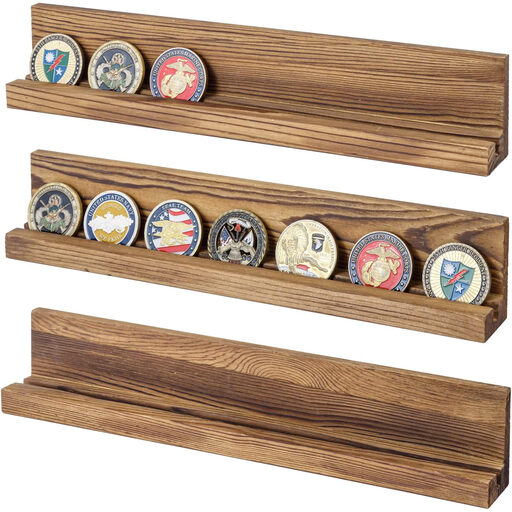
Why This Fits Their Persona: Ideal for individuals seeking a specialised solution to display collector coins, medals, or casino chips. The design is precisely tailored for this purpose.
The shelf is made of solid wood, making it sturdy enough for the weight of coin collections. The integrated grooves prevent items from slipping—a detail missing from generic shelves.
Purpose-built design for a secure hold of collectibles. Delivered as a set of 3, allowing for a uniform and expandable wall display.
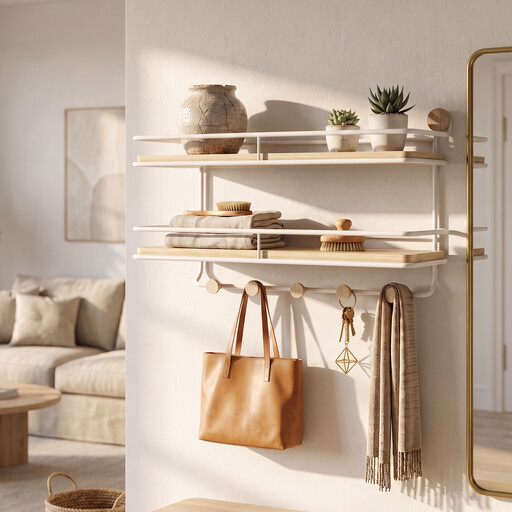
Why This Fits Their Persona: Perfect for anyone wanting to maximise utility in a small space, whether in the entryway, bathroom, or kitchen. It combines storage surfaces with practical hooks.
The combination of FSC-certified rubberwood and powder-coated steel ensures a stable construction. According to the manufacturer, the maximum load capacity is 44 lbs (approx. 20 kg), which avoids the trap of flimsy multi-function shelves.
Two tiers with a protective rail to prevent items from falling. Five hooks provide additional space for jackets, towels, or keys.
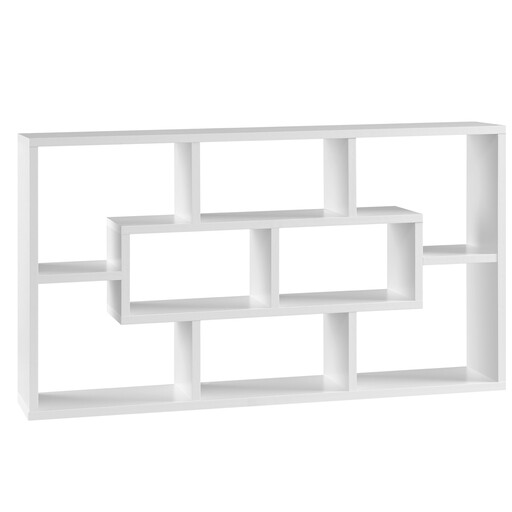
Why This Fits Their Persona: For those who see a shelf not just as storage, but as a standalone design object. The asymmetrical design is an eye-catcher and ideal for curated decor.
Although made from E1-grade engineered wood, the construction is inherently stable due to its many compartments and vertical struts. The load is distributed across multiple points, preventing sagging under light to medium loads.
Eight open compartments offer flexible decoration possibilities. The vertical orientation saves space and acts as a modern piece of wall art.
We have compiled a complete, up-to-date list of products that fully meet these strict selection criteria and UK safety regulations.
The load capacity of a wall shelf depends on several factors: the material (solid wood generally holds more than MDF), the thickness of the shelf board, the mounting system, and, most importantly, the condition of the wall. Always observe the manufacturer's specifications for maximum load capacity (e.g., 5 kg, 10 kg, 20 kg). A solid concrete wall allows for a higher load than a drywall wall.
Precision is key for a secure installation. Use a spirit level to align the drill holes perfectly horizontally. Choose the appropriate anchors for your wall type (e.g., expansion plugs for concrete, hollow-wall anchors for drywall). Follow the manufacturer's assembly instructions precisely. For heavy loads, it is advisable to anchor the shelf into the wall studs whenever possible.
No. High humidity can damage untreated wood, leading to warping or mould growth. For the bathroom, you should choose a wall shelf made from a naturally moisture-resistant material like bamboo, or a solid wood shelf treated with a water-repellent protective varnish. Engineered wood with a high-quality, seamless melamine or plastic coating can also be a suitable option.