
Lieferung heute & morgen

Qualitätsgarantie

Willkommens-Angebote freischalten: KOSTENLOSE Lieferung | Bis zu 80 % RABATT | Kostenlose 30-Tage-JoyPlus-Testphase
App herunterladen
A well-equipped workshop is the foundation for successful repairs and maintenance, whether for professional auto mechanics or ambitious DIY enthusiasts. But the market for workshop equipment is overwhelming and full of potential purchasing pitfalls. If you don't look closely, you can quickly invest in tools that won't stand up to the job or are unsuitable for their intended purpose. This guide will help you identify the common traps and make an informed choice.
Before we dive into key quality features, let's look at the most common mistakes that lead to frustration and unnecessary expense.
To avoid these traps, it's crucial to focus on the objective, verifiable parameters that determine the quality and longevity of automotive tools.
The choice of material is the foundation of any good tool. For mechanically stressed tools like wrenches, sockets, or pliers, Chrome-Vanadium Steel (Cr-V) has established itself as the industry standard. This alloy offers high strength and toughness, meaning the tool won't break or deform even under high torque. Additionally, the chrome plating provides effective corrosion protection. Tools made from simple carbon steel are cheaper but are significantly more susceptible to wear and rust.
A high-quality automotive tool is distinguished by its tight manufacturing tolerances. A wrench or socket must fit the bolt head or nut exactly. If there's too much play, the tool will slip and damage the hex head ("rounding off"). This can turn a simple repair into a costly problem. Look for tools manufactured according to relevant standards, such as the DIN standard. For example, DIN 838 specifies the dimensions for offset ring spanners, which ensures a reliable fit.
For tools with mechanical components, the internal workings are what count. A ratchet wrench is the best example of this. The number of teeth in the ratchet mechanism determines the swing arc—the minimum angle you need to move the handle to engage the next tooth.
Instead of making a blanket recommendation, we have selected tools for different user profiles and their specific requirements.
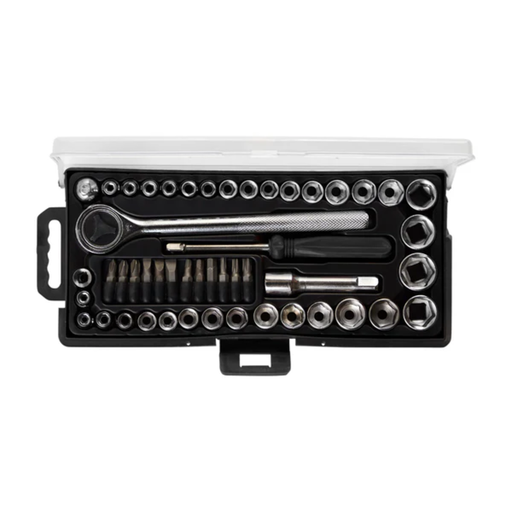
Why This Fits Their Persona: Ideal for beginners who need a solid starter kit for general repairs on vehicles, furniture, and machinery. The set covers the most common metric and SAE sizes.
This 49-piece set focuses on essential components and avoids unnecessary filler items. The carbon steel tools offer adequate durability for home workshop use.
Includes a 3/8" ratchet wrench, a 1/4" spinner handle, and a wide selection of sockets and bits. The included case ensures organisation and portability.
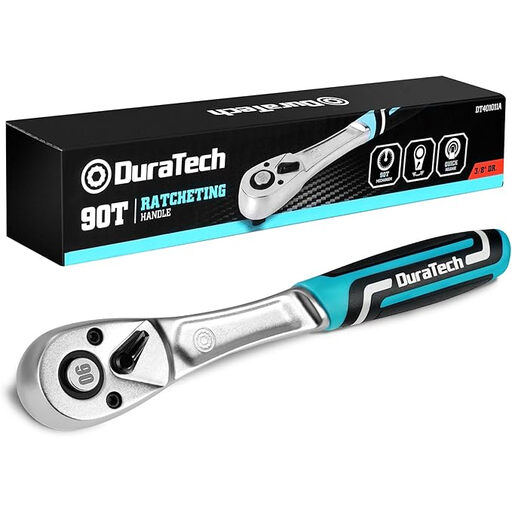
Why This Fits Their Persona: Perfect for mechanics and technicians who frequently work in tight spaces and depend on maximum efficiency.
This tool directly solves the ergonomics problem. The 90-tooth mechanism with a 4° swing arc is specifically designed for jobs where standard ratchets fail.
Made from high-strength Chrome-Vanadium Steel for durability. The quick-release button allows for swift socket changes.
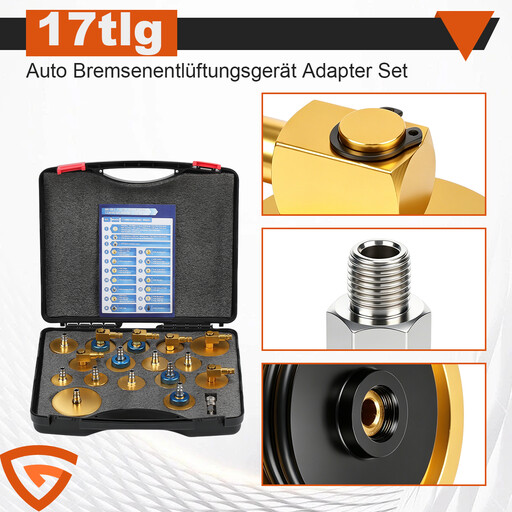
Why This Fits Their Persona: Indispensable for anyone who regularly changes brake fluid. This set ensures a proper, leak-proof connection for a wide variety of vehicle makes.
Instead of an unreliable one-size-fits-all solution, this brake bleeder kit provides specific adapters for a tight seal. This prevents brake fluid leaks and air ingress.
Broad compatibility with brands like Mercedes-Benz, BMW, Audi, Ford, and Toyota. The corrosion-resistant aluminium adapters are durable and neatly organised in a case.
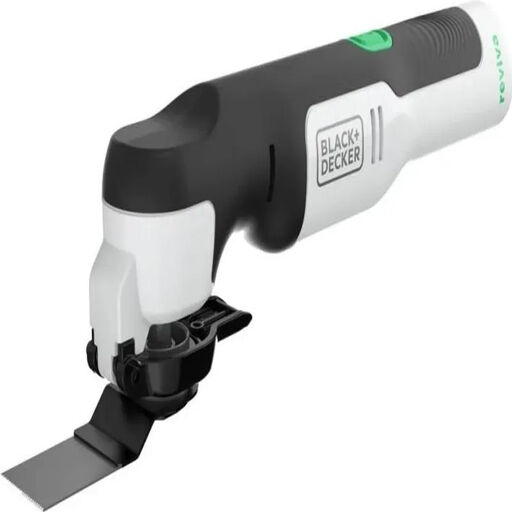
Why This Fits Their Persona: For the DIY enthusiast who wants a single, versatile tool for various tasks like cutting, sanding, and scraping around the house and garden.
This multi-tool offers genuine utility through its versatility, rather than filling a box with rarely used individual tools. The focus is on function, not quantity.
Cordless freedom thanks to the integrated battery. The tool-free quick-change system allows for fast accessory swaps. According to the manufacturer, the housing is made from 50% recycled material.
We have compiled a complete, up-to-date list of products that fully meet these strict selection criteria and relevant safety regulations.
Look for the Chrome-Vanadium Steel (Cr-V) specification. This material offers high strength and good corrosion protection, which is crucial for the longevity of heavily used tools like a combination wrench set or a socket set. Simple carbon steel is less durable.
For work in hard-to-reach places, a ratchet with a high tooth count is advantageous. A 90-tooth ratchet requires only a 4-degree swing arc, whereas a 72-tooth model needs 5 degrees. In practice, this small difference can determine whether you can loosen a bolt or not.
A large set can be tempting, but quality should always take precedence over quantity. It's often more sensible to start with a high-quality basic kit—for example, a good socket set—and then expand it with specialised tools like a flaring tool or an automotive repair kit as the need arises. This way, you build a collection that truly fits your requirements.