
Lieferung heute & morgen

Qualitätsgarantie

Willkommens-Angebote freischalten: KOSTENLOSE Lieferung | Bis zu 80 % RABATT | Kostenlose 30-Tage-JoyPlus-Testphase
App herunterladen
As a Joybuy Product Recommendation Officer, I see every day how challenging it can be to select the right workshop equipment. The market is flooded with offers that seem convincing at first glance but prove inadequate in practice. An unsuitable tool not only costs money but also time and frustration. This guide will help you identify common pitfalls and make an informed decision.
The most common problems when purchasing new DIY supplies are:
saw blade set quickly becomes useless metal.tap and die sets or saw blades, this leads to messy results and rapid wear.tool set with a high piece count suggests completeness, yet it often lacks the exact sizes or types needed for specific projects, for instance, in the automotive sector in the UK.To avoid these mistakes, it's crucial to focus on objective technical parameters rather than marketing promises.
A well-thought-out choice is based on understanding core specifications. Three parameters are particularly important for ensuring the longevity and functionality of your workshop equipment.
The material composition significantly determines a tool's performance and lifespan. This is especially evident with cutting tools.
When looking at tools like a hole saw set or reciprocating saw blades, look for the Bi-Metal specification if you need a versatile and durable solution.
Compatibility is an often-overlooked but critical factor.
saw blade set.cordless drill or other cordless tools, committing to a battery system is a long-term decision. Some manufacturers offer alliances where one battery can be used for tools from different brands. This increases flexibility and can save costs in the long run.An extensive tool set is only useful if it contains the right components. A 110-piece tap and die set is not inherently superior to a 50-piece set. What matters is whether the required metric sizes (e.g., M6, M8, M10) and pitches (standard and fine threads) for your application, such as for automotive tools, are included. Check the detailed list of contents instead of being swayed by the total number.
Based on these objective criteria, we have identified some products that represent a suitable solution for different user profiles.
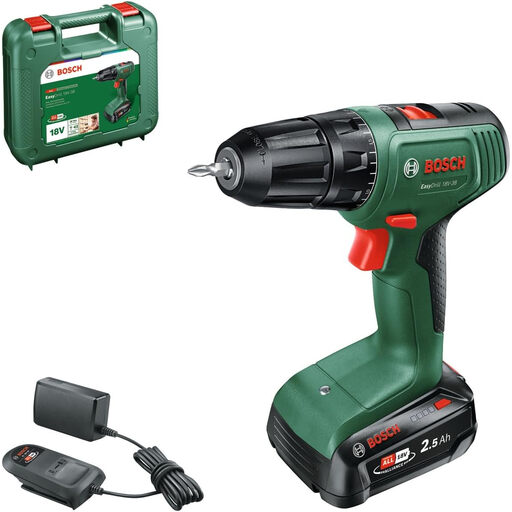
Why This Fits Their Persona: Ideal for versatile tasks around the home. This cordless drill handles drilling and screwdriving in wood, metal, and plastic, and its ergonomic design makes it suitable for extended use. Its membership in the POWER FOR ALL ALLIANCE makes it a future-proof investment.
Bypasses the battery compatibility trap through the cross-brand POWER FOR ALL ALLIANCE. The renowned brand quality also prevents the problem of inferior materials.
2-speed gearbox and 20 torque settings for precise control; Integrated LED work light for excellent visibility.
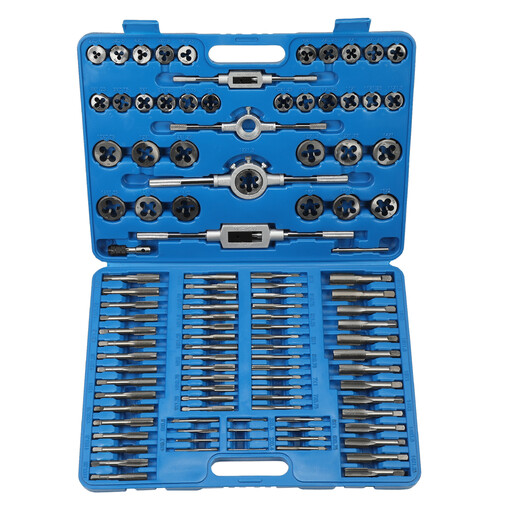
Why This Fits Their Persona: This set is designed for users who regularly repair or cut new threads in metal, especially in the automotive and machinery sectors. The wide coverage of metric fine and standard threads makes it a versatile tool for any workshop.
Solves the problem of incomplete sets by covering a very wide range of sizes (M2-M18) and pitches often missing in smaller kits. This ensures the right tool for specific repairs is always at hand.
Comprehensive set with 35 three-piece tap sets; Includes holders and a sturdy plastic case for storage.
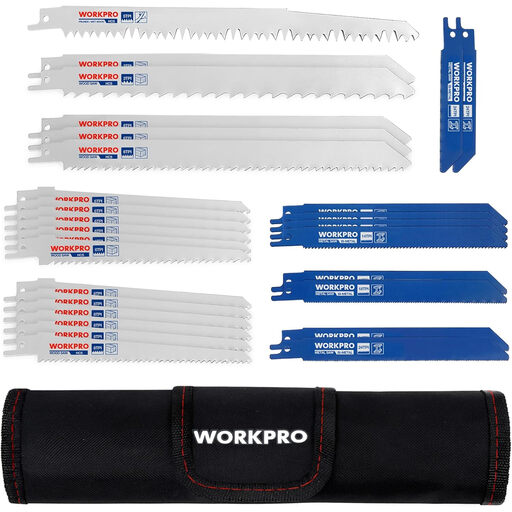
Why This Fits Their Persona: For users who already own a reciprocating saw and are looking for a versatile accessory set for various materials. This set offers a cost-effective solution for cuts in wood, metal, and plastic without needing to buy multiple individual packs.
Directly addresses the compatibility trap, as the blades are designed for the most common brands like Bosch, Dewalt, Makita, and Ryobi. The variety of materials (CrV and Bi-Metal) also prevents the purchase of unsuitable blades.
Comprehensive 32-piece set for diverse materials; Includes a practical storage pouch for organisation and transport.
We have compiled a complete, up-to-date list of products that fully meet these strict selection criteria and UK safety regulations.
Look for the material specification. Bi-Metal (BIM) is generally the most robust choice for mixed materials. Also, check the toothing (indicated in TPI – Teeth Per Inch): a low TPI count (e.g., 6 TPI) is suitable for fast, coarse cuts in wood, while a high TPI count (e.g., 24 TPI) is required for clean cuts in metal.
In most cases, no. Each major manufacturer has its own battery system. However, there are cross-brand collaborations like the POWER FOR ALL ALLIANCE, which includes Bosch, among others. If you want flexibility, choosing a tool from such an alliance is an option worth considering.
In short: HCS (High Carbon Steel) is for soft materials like wood and plastic. HSS (High Speed Steel) is for metals. Bi-Metal combines a flexible HCS body with hard HSS teeth, making it a durable all-rounder that can withstand tougher demands, such as cutting wood with nails.