
Lieferung heute & morgen

Qualitätsgarantie

Willkommens-Angebote freischalten: KOSTENLOSE Lieferung | Bis zu 80 % RABATT | Kostenlose 30-Tage-JoyPlus-Testphase
App herunterladen
By the Joybuy Product Recommendation OfficerPublished July 28, 2026
Choosing a writing instrument often seems like a simple decision. But we've all been there: ink smudges across a freshly written page, your hand cramps after just a few paragraphs, or a supposedly high-quality pen gives up the ghost after a short time. These problems aren't just annoying; they're often the result of marketing promises that don't hold up to the practical demands of daily use.
This guide will help you identify the key features to make an informed choice. We'll focus on the objective criteria that define a good writing instrument and show you how to avoid common purchasing pitfalls.
Before we dive into the technical details, let's identify the most common frustrations that can lead to a bad purchase.
To avoid these traps, it's helpful to focus on three core parameters that determine a pen's performance and longevity.
The tip is the heart of any pen and significantly defines the look of your writing. A fine tip (0.5 mm or smaller) is excellent for detailed notes, small handwriting, and filling out forms, ensuring precise, clean lines. Medium tips (around 0.7 mm) offer a good compromise between precision and a rich ink flow, ideal for everyday use. Broad tips or nibs (1.0 mm and up) are intended for signatures or expressive writing where a bold stroke is desired.
The type of ink directly affects drying time and the writing feel.
A pen's material affects not only its weight and feel but also its durability. Models made of lightweight aluminium, like the Lamy AL-star, are robust yet comfortable to hold. Plastic pens are often lighter, but the quality of the material and craftsmanship is crucial here. An ergonomically shaped, non-slip grip section is essential for fatigue-free writing. Furthermore, refillable pens are a sustainable and, in the long run, cost-effective choice.
Based on these objective criteria, we have identified a few models suitable for specific user groups.
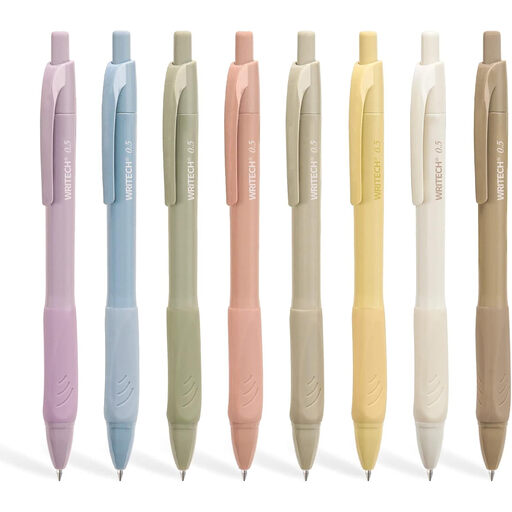
Why it's a match: Ideal for students and professionals who take a lot of notes daily. The pen combines a fine tip for clean writing with a quick-drying ink, making it suitable for a fast writing pace.
The quick-drying ink prevents smudging (The Smudge Trap). The soft, triangular grip ensures comfort during long writing sessions (The Ergonomic Illusion).
The combination of a 0.5 mm tip and quick-drying ink is suitable for a wide variety of paper types and ensures a consistently clean script.
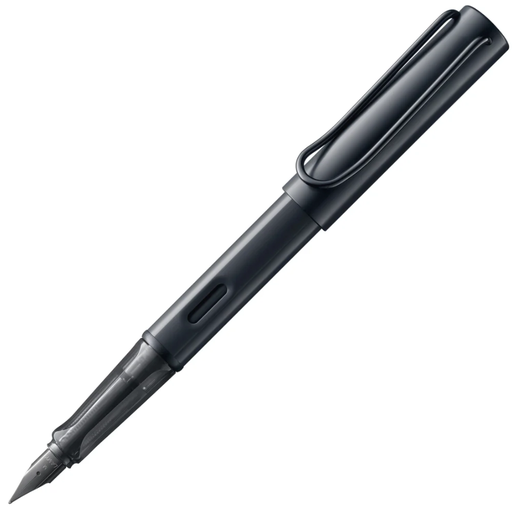
Why it's a match: For users who value feel, durability, and a classic design. This fountain pen makes a statement on any desk and is also suitable as a high-quality gift set.
The robust aluminium body and its refillability (with cartridges or a converter) counter the disposable mindset. The proven ergonomic grip section prevents fatigue.
The steel nib is interchangeable, allowing for customisation to personal preferences (e.g., a left-handed nib) or replacement in case of wear, thereby extending the pen's lifespan.
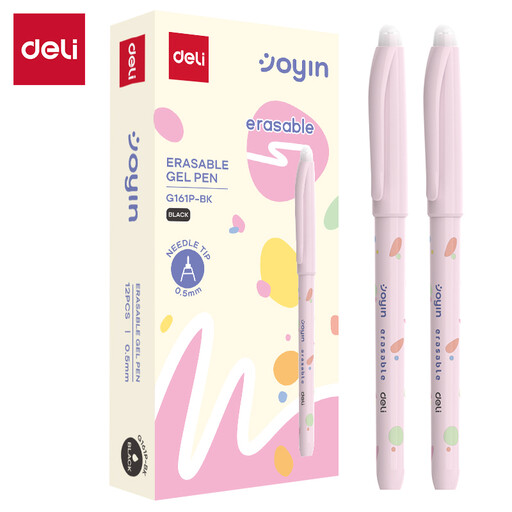
Why it's a match: Perfect for students, planners, and anyone who needs to keep their notes flexible. Mistakes can be corrected cleanly without damaging the paper or leaving unsightly correction marks.
The erasable ink solves the problem of permanent mistakes, making correction rollers obsolete. The fine 0.5 mm needle tip ensures precision during correction.
The thermosensitive ink disappears with friction heat and leaves no residue. The document remains clean and legible, even after multiple corrections.
We have compiled a complete, up-to-date list of products that fully meet these strict selection criteria and all relevant regulations.
A rollerball pen uses a very fluid, water-based ink that flows easily onto the paper, creating a script similar to a fountain pen. A gel pen uses a thicker, gel-based ink. This provides rich, opaque colours and an exceptionally smooth writing feel. Modern gel inks are also often quick-drying, which makes them an attractive option for many users.
Proper care is crucial for the longevity of a fountain pen. Rinse the nib and feed with lukewarm water every few months or whenever you change inks to remove dried ink residue. Always use the cap when the fountain pen is not in use to prevent the nib from drying out. Ideally, store it lying flat or with the nib pointing upwards.
For left-handers, the most important feature is quick-drying ink to avoid smudging what has been written. Many modern gel pens and rollerballs are optimised for this. Look for product descriptions that explicitly mention "quick-drying" or "suitable for left-handers." Fountain pens can also be fitted with special left-handed nibs (LH nibs) that make writing easier.