
Lieferung heute & morgen

Qualitätsgarantie

Willkommens-Angebote freischalten: KOSTENLOSE Lieferung | Bis zu 80 % RABATT | Kostenlose 30-Tage-JoyPlus-Testphase
App herunterladen
Finding the right writing instrument can be more complex than it first appears. Whether for school, the office, or personal notes, the selection is vast. Marketing promises often lead to purchases that don't hold up in daily use. This guide will help you identify the crucial features and avoid common pitfalls, so you can find the right tool for your handwriting.
Before diving into the different types of pens, it's helpful to know three common problems that can lead to regrettable purchases.
To make an informed decision, you should focus on objective criteria rather than advertising claims.
The tip of the pen is a major factor in the appearance of your writing and the overall feel. Specifications vary by pen type:
The ink is the heart of any pen. Its composition affects drying time, colour intensity, and water resistance.
The material affects the weight, durability, and tactile feel of the writing instrument. Lightweight ABS plastic, as used in the Lamy Safari, is durable and ideal for daily use in school and office. Anodized aluminium, like that of the Lamy AL-star, offers a more premium feel and greater robustness at a low weight. An ergonomically shaped grip section that promotes a correct three-point hold is more important than a soft rubber coating.
Here are some recommendations tailored to specific user profiles and the criteria mentioned above.
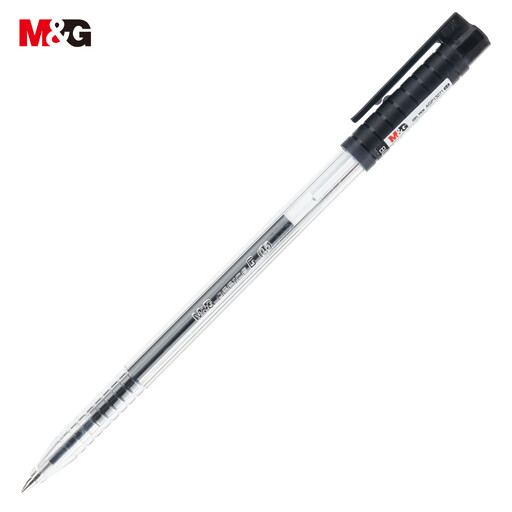
Why it's a good fit: Ideal for offices, schools, or households that need a large supply of reliable and cost-effective pens. The focus is on functionality and excellent value for money.
This product bypasses the trap of expensive, proprietary refills by being an economical, disposable bulk pack. It forgoes exaggerated ergonomic claims in favour of a simple, functional design.
The quick-drying gel ink and fine 0.5 mm tip ensure clean writing for everyday tasks. The bulk pack offers a significant cost advantage.
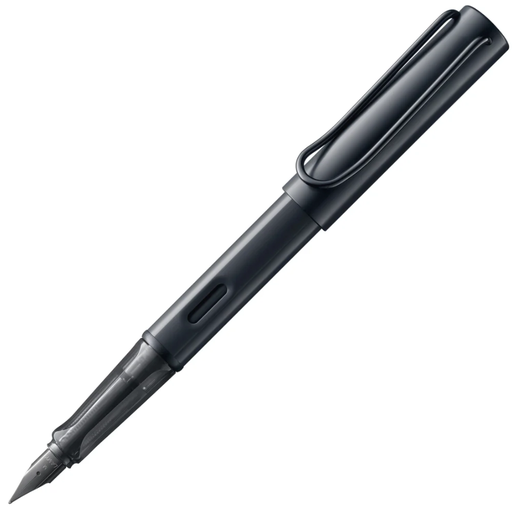
Why it's a good fit: For students and professionals who write a lot daily and value durability, comfort, and a timeless design. A reliable fountain pen for long writing sessions.
The transparent, moulded grip section is an example of functional ergonomics that encourages correct hand posture, not just a marketing gimmick. Lamy ink cartridges are widely available, and the pen is compatible with a converter for bottled ink.
The combination of a lightweight yet durable aluminium body and a precision-ground steel nib offers a balanced and reliable writing experience.
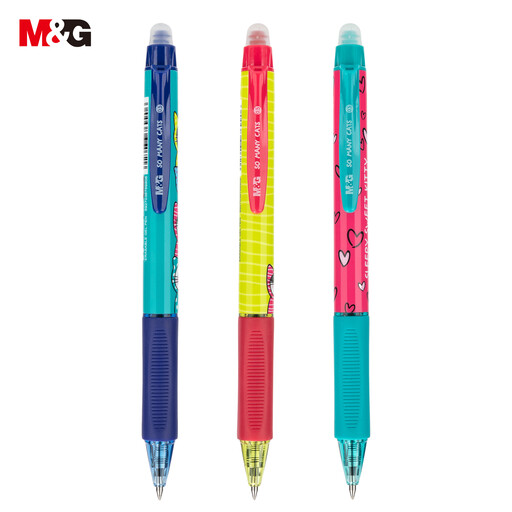
Why it's a good fit: Perfect for students, planner enthusiasts, and anyone who values clean corrections. The ability to erase mistakes without a trace is ideal for homework, calendar entries, and notes.
These erasable pens are based on a specific thermosensitive ink technology that works reliably. The erasability is the core feature here, not an empty promise. The smooth ink flow also minimises smudging.
The thermosensitive ink allows for residue-free corrections without damaging the paper. The fine 0.5 mm tip ensures a precise and clean script.
Once you've found your ideal pen, the right ink is crucial. We've compiled a complete list of refills that are compatible with many popular models.
Regular cleaning is crucial for a consistent ink flow. It is recommended to flush a fountain pen with lukewarm water every few months, especially when changing ink colours or if the pen hasn't been used for a while. This prevents dried ink residue from clogging the fine channels in the ink feed.
No, compatibility is a key factor. There are two main systems: the international standard, used by many brands like Pelikan or Faber-Castell, and proprietary systems that are brand-specific. Lamy, for example, uses its own ink cartridges (T10) that do not fit in pens from other brands. Therefore, always check the manufacturer's specifications before buying stationery online.
For left-handers, the ink's drying time is the most important criterion to avoid smudging. Gel pens and rollerball pens with ink labelled as "quick-drying" are often a good choice. Ballpoint pens are generally a safe option due to their oil-based ink. For fountain pens, a fine nib (F) combined with a quick-drying ink can also work well, as it deposits less ink on the paper.