
Lieferung heute & morgen

Qualitätsgarantie

Willkommens-Angebote freischalten: KOSTENLOSE Lieferung | Bis zu 80 % RABATT | Kostenlose 30-Tage-JoyPlus-Testphase
App herunterladen
Buying a new set of pencils might seem straightforward at first. But the reality is often different: the pencil lead constantly breaks, the highly-praised colored pencil set produces only faint colors, or the pencils advertised as "sustainable" turn out to be a sham. To help you avoid such disappointments, we've identified the most common pitfalls and will show you which objective criteria really matter when making your selection.
This guide will help you separate the wheat from the chaff—whether you're looking for reliable school supplies, precise drawing pencils for your hobby, or durable office supplies.
Many purchasing decisions are influenced by marketing promises that don't hold up in practice. Pay close attention to these three points to avoid a bad investment:
To find the right pencil set, you should focus on verifiable characteristics. The following three parameters are crucial for the performance and longevity of your pencils.
The lead is the core of any pencil. Its composition determines its intended use.
The wood barrel protects the lead and ensures comfortable handling.
Instead of making a blanket recommendation, we have selected products tailored to specific needs and user profiles.
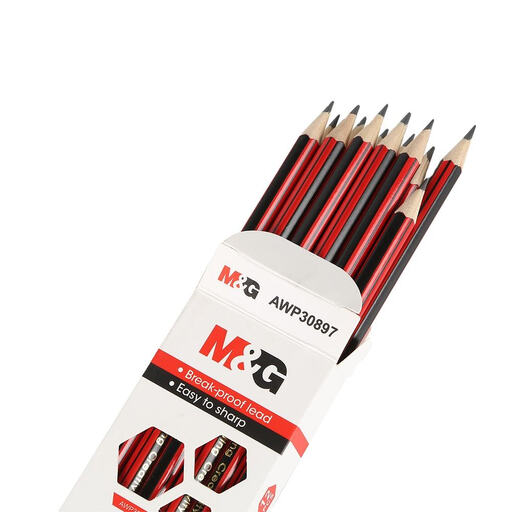
Why it's a good fit: This set is a classic workhorse for daily use. The universal HB hardness grade is ideal for notes, homework, and sketches. The bulk pack offers excellent value for families and offices that need a reliable supply of standard pencils.
The set features a break-resistant lead and high-quality natural wood that sharpens easily. This prevents the frustration of constantly breaking tips, a common issue with many budget alternatives.
The hexagonal barrel prevents rolling and provides a stable, comfortable grip, which reduces hand fatigue during long writing sessions.
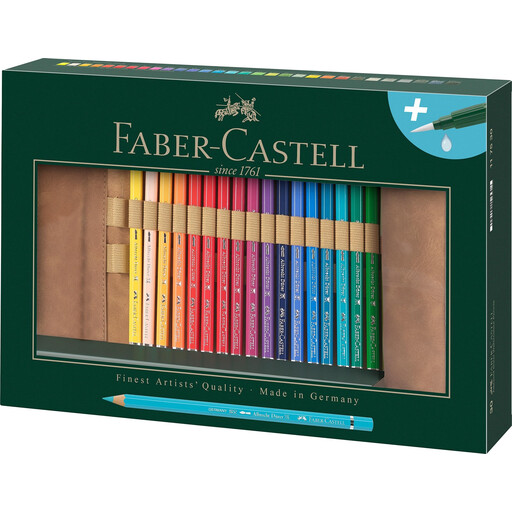
Why it's a good fit: This set is aimed at artists who value pigment quality and versatility. The Faber-Castell Albrecht Dürer pencils are renowned for their high lightfastness and color brilliance. Their water-solubility opens up a wide range of creative techniques, from dry drawing to washed watercolor effects.
Unlike sets that boast a high number of pale colors, this set delivers 30 highly pigmented tones that are fully water-soluble. The quality of the pigments ensures vibrant and lasting results.
The 3.8 mm thick lead is especially break-resistant and allows for a rich color laydown. The included roll-up case protects the pencils and is practical for transport.
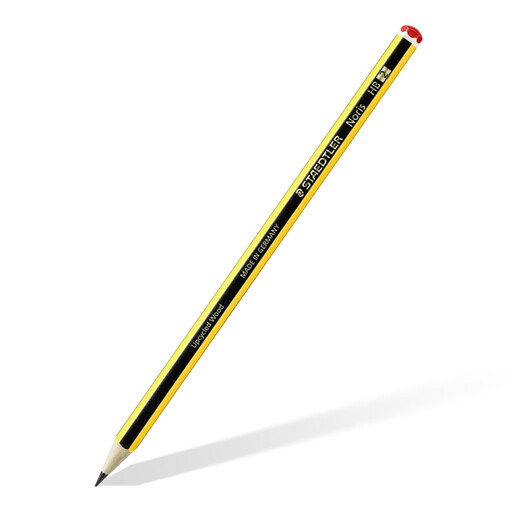
Why it's a good fit: This pencil combines the proven quality of the Staedtler brand with an innovative, resource-saving manufacturing process. It is the right choice for anyone looking for a reliable everyday pencil while also valuing verifiably sustainable production methods.
Instead of vague marketing claims, Staedtler provides facts: the pencil is made from "Upcycled Wood" (reused wood chips) and the wood used is PEFC-certified. This makes its sustainability claim transparent and verifiable.
According to the manufacturer, the special production process and the firm bonding of the lead ensure high break resistance. The pencil offers the familiar performance of an HB pencil, making it versatile for many uses.
We have compiled a complete, up-to-date list of products that fully meet these strict selection criteria and relevant safety regulations.
The HB hardness grade is the most common and marks the middle of the hardness scale. The "H" stands for "hard" and the "B" for "black." An HB pencil offers a good compromise between firmness and a dark mark. It is hard enough to not wear down or smudge too quickly, yet soft enough for a clearly legible script. This makes it the ideal all-rounder for school, university, and the office.
When choosing a colored pencil set for kids, three factors are particularly important:
Yes, watercolor pencils for artists and hobbyists are an excellent choice for beginners as well. They offer an easy entry into the world of watercolor painting without the immediate need to invest in brushes, palettes, and tube paints. You can draw as you would with normal colored pencils and then activate the color with a wet brush to create painterly effects. This allows for a controlled approach to learning blending techniques and color gradients.