
Lieferung heute & morgen

Qualitätsgarantie

Willkommens-Angebote freischalten: KOSTENLOSE Lieferung | Bis zu 80 % RABATT | Kostenlose 30-Tage-JoyPlus-Testphase
App herunterladen
The efficiency of household cleaning tasks depends significantly on the quality and functionality of the cleaning tools used. Material properties such as absorbency, abrasiveness, and durability are critical parameters that define a product's practical utility. A well-informed selection of cleaning accessories allows for the targeted and gentle removal of specific types of dirt. This article analyses various types of household helpers based on their technical specifications and areas of application.
The selection of suitable cleaning tools should be based on an analysis of the cleaning tasks at hand and the material properties of the products.
Paper and Non-Woven Fabrics: For products like super-absorbent paper towels, the GSM (Grams per Square Metre) value is an indicator of material density. A higher GSM value typically correlates with increased absorbency and tear resistance. Some products are designed for dual use (dry and wet), which increases their flexibility in the household.
Melamine Foam: So-called magic sponges or cleaning erasers are made of melamine resin foam. Their cleaning action is based on a micro-abrasive structure. When rubbed on a surface, the fine foam structures act like extremely fine sandpaper, mechanically abrading dirt particles. The thickness of the sponge is a factor in the product's lifespan. Application typically requires only water, with no need for additional chemical cleaning agents.
Traditional Cleaning Sponges: A typical dish sponge usually combines two materials. A soft side made of polyurethane foam is used for absorbing water and washing-up liquid, as well as for gentle cleaning. The abrasive side, often a non-woven fabric of polyamide and polyester, is designed for removing stubborn, caked-on grime. Some manufacturers integrate antibacterial agents into the scouring side to inhibit bacterial growth on the surface.
For optimal cleaning results, choosing the right tool for the specific surface and type of dirt is crucial. While universal cleaning cloths are suitable for general surface cleaning, stubborn stains, limescale deposits, or burnt-on grease require specialised solutions like cleaning erasers or highly abrasive scouring sponges. Adhering to the manufacturer's instructions on material compatibility is essential to avoid damaging delicate surfaces.
The following products have been selected for closer consideration based on their specific material properties and functional design.

Why we recommend this product: These paper towels feature a thickened material with a high GSM value, resulting in superior absorbency for liquids and oils. Their single-use design promotes hygienic cleaning by preventing the cross-contamination associated with reusable cloths. The dual-use capability (effective both dry and wet) makes them a versatile household helper.
Pros:
Who it's for: Households looking for a practical and hygienic alternative to traditional cloth towels, who value the efficient removal of liquids and grease in the kitchen and other living areas.

Why we recommend this product: These cleaning erasers are based on melamine foam and work purely mechanically. With a thickness of 24 mm, they offer higher material density and thus a potentially longer lifespan compared to thinner versions. Application requires only water, reducing the need for chemical cleaning agents.
Pros:
Who it's for: Users seeking an effective solution for tough grime on various surfaces who wish to avoid the use of additional cleaning chemicals.
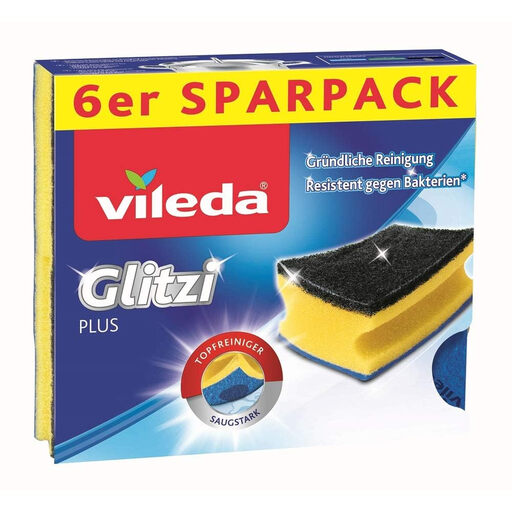
Why we recommend this product: This dish sponge combines an abrasive black scouring side for removing tough dirt with a soft blue cloth side for more gentle cleaning tasks. According to the manufacturer, an antibacterial agent inhibits 99.9% of bacterial growth on the scouring surface. The ergonomic grip ridge protects hands and fingernails during use.
Pros:
Who it's for: Individuals who prefer a durable and functional dish sponge for daily kitchen cleaning and value a hygienic component as well as a user-friendly design.
The products featured cover specific use cases. However, the range of cleaning aids is far broader, encompassing numerous specialised tools for different materials and tasks. For a wider selection of specialised cleaning cloths and sponges, you can browse our Sponge Cloth category.
1. How does a cleaning eraser or magic sponge work? A cleaning eraser is made of melamine resin foam, a material with a fine yet hard microstructure. When moistened and rubbed on a surface, these microstructures act like an extremely fine abrasive, mechanically lifting away dirt, stains, and scuff marks without scratching most surfaces.
2. What does a high GSM value mean for a paper towel? GSM stands for "Grams per Square Metre". This value indicates the density of the paper or non-woven fabric. A paper towel with a higher GSM value is thicker and denser, which typically results in better absorbency and greater tear resistance.
3. For hygiene reasons, how often should a dish sponge be replaced? General hygiene recommendations advise replacing dish sponges every one to two weeks, as their porous structure collects moisture, which can become a breeding ground for bacteria. Products with antibacterial properties can inhibit this growth, but they do not replace the need for regular replacement to maintain kitchen hygiene.