
Lieferung heute & morgen

Qualitätsgarantie

Willkommens-Angebote freischalten: KOSTENLOSE Lieferung | Bis zu 80 % RABATT | Kostenlose 30-Tage-JoyPlus-Testphase
App herunterladen
The selection of Asian noodles at the supermarket or online can be overwhelming. From thick, chewy udon to delicate rice noodles, each variety has its own unique texture, preparation method, and is suited for different dishes. Making the right choice is key to creating an authentic Asian dish at home.
This guide is designed to help you find the perfect noodles for your culinary needs. We'll introduce various types, offer practical shopping tips, and present a selection of products ideal for specific dishes.
To make the right choice, three criteria are particularly important: the noodle type, the ingredients, and the intended cooking method.
Not every noodle is suitable for every dish. The texture and shape determine how well the noodle absorbs sauces or maintains its structure in a hot soup.
A look at the ingredient list provides information about the noodle's base and potential allergens.
Based on the criteria mentioned, we have compiled a selection of noodle varieties suitable for various uses in the home kitchen.
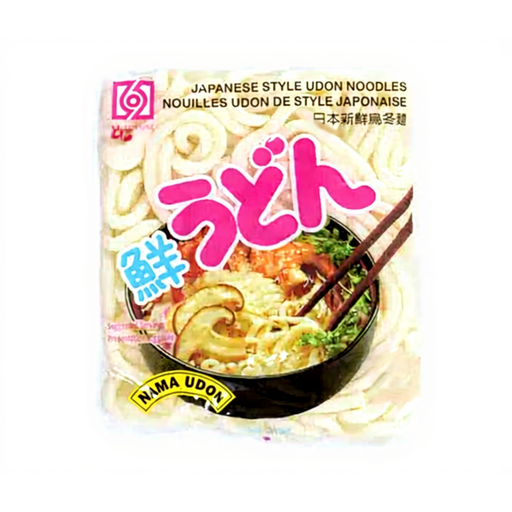
Why They Stand Out These Japanese-style Udon Noodles offer the characteristic thick, soft, and chewy texture required for dishes like Yaki Udon (fried udon) or Nabemono (Japanese hot pot). The combination of wheat flour and tapioca starch ensures a stable structure and a clean flavour. Since they are pre-cooked and vacuum-sealed, the preparation time is extremely short.
Benefits
Who They're For Ideal for home cooks who want to prepare authentic Japanese dishes and are looking for a quick, hassle-free dinner solution.
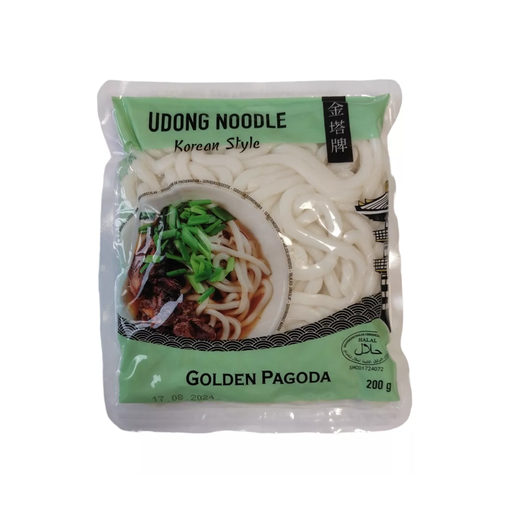
Why They Stand Out These fresh Korean-style noodles are another variation of udon. They are made according to a traditional recipe and have a mild, neutral flavour that absorbs sauces and broths very well. Preparation is incredibly simple, making them a great base for quick and balanced meals.
Benefits
Who They're For Suitable for anyone looking for a quick and versatile noodle base for Korean or other Asian dishes, especially when time is short.
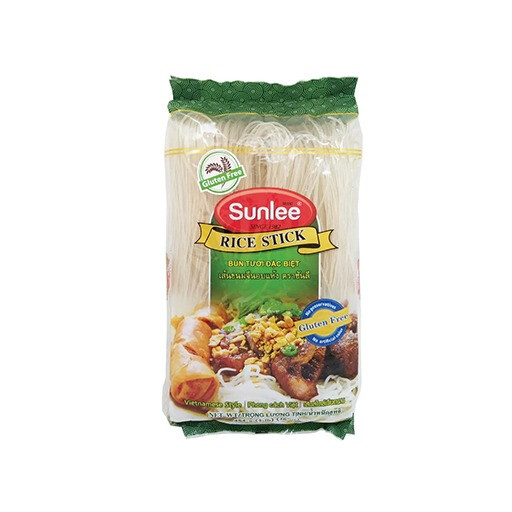
Why They Stand Out These Vietnamese rice noodles (Bún T??i) are the authentic choice for classics like Bun Cha or as a filling for fresh summer rolls. Made from just two ingredients—rice and water—they are a naturally gluten-free option. After cooking, the noodles have a pleasantly soft and slightly chewy texture that is typical of Southeast Asian cuisine.
Benefits
Who They're For An excellent choice for lovers of Vietnamese cuisine, as well as for health-conscious consumers and individuals with celiac disease seeking an authentic and pure noodle alternative.
Our selection covers some of the most popular noodle varieties for everyday cooking. However, the world of Asian noodles is even more diverse. If you're looking for more specific types like ramen, buckwheat soba noodles, or delicate glass noodles, you'll find more products in our comprehensive category.
Explore Our Full Range of Asian Groceries
A wide variety of Asian noodles are naturally gluten-free. This primarily includes rice noodles of all shapes and sizes, like the Vietnamese rice noodles (Bún T??i) featured here. Glass noodles, made from mung bean or sweet potato starch, and 100% buckwheat soba noodles are also gluten-free alternatives. However, when buying soba noodles, pay close attention to the ingredient list, as wheat flour is often added.
Preparing pre-cooked udon noodles is very simple. Gently loosen the noodles with your hands before opening the package. Then, add them to boiling water for 1–2 minutes or directly into a hot soup broth. For noodles for wok dishes, you can add them directly to the pan after briefly searing meat or vegetables and stir-fry for 2–3 minutes until they are fully heated.
For dishes made in a wok, noodles with a firm, sturdy structure are best, as they can withstand repeated tossing over high heat. Udon noodles are an excellent choice due to their thickness and chewiness. Chinese egg noodles (lo mein) or wide rice noodles (ho fun) also work very well, as they don't fall apart easily and absorb sauce effectively.