
Lieferung heute & morgen

Qualitätsgarantie

Willkommens-Angebote freischalten: KOSTENLOSE Lieferung | Bis zu 80 % RABATT | Kostenlose 30-Tage-JoyPlus-Testphase
App herunterladen
A slippery surface, inadequate cushioning, or an unpleasant smell—many people know the disappointment of buying a new yoga mat. The market is flooded with products that make big promises but often fail to deliver in practice. Before you make a decision, it's important to understand the common pitfalls that can lead to a purchase you'll regret.
As your Joybuy Product Recommendation Officer, I'm here to help you define objective criteria for your selection. We'll focus on the facts so you can find a training mat that truly fits your needs.
Common Pitfalls When Buying a Yoga Mat:
To avoid these pitfalls, you should check three core aspects before buying. These define the functionality, durability, and safety of your future fitness mat.
The material is the primary factor determining your mat's grip, weight, and ease of care.
The thickness of a sports mat is measured in millimetres (mm) and affects both comfort and stability.
The standard size for a yoga mat is approximately 183 x 61 cm. For taller individuals or for practices that require more space, a large mat with a width of 80 cm or even 100 cm can be beneficial. Also, consider the weight and whether a carrying strap is included if you plan to transport your mat regularly.
Here are a few recommendations tailored to specific user profiles that take the above criteria into account.

Why This Fits Their Persona: This mat is a solid all-rounder for anyone starting with yoga, Pilates, or general fitness training. Its standard dimensions and balanced thickness make it versatile for workouts at home or in the studio.
The mat avoids the thickness deception with its 6 mm thickness made from TPE material. This provides a good balance of cushioning and stability without feeling too spongy during balancing poses.
The TPE material is lightweight, and the mat comes with a carrying strap, making it easy to transport. The double-sided texture ensures a reliable grip on the floor.
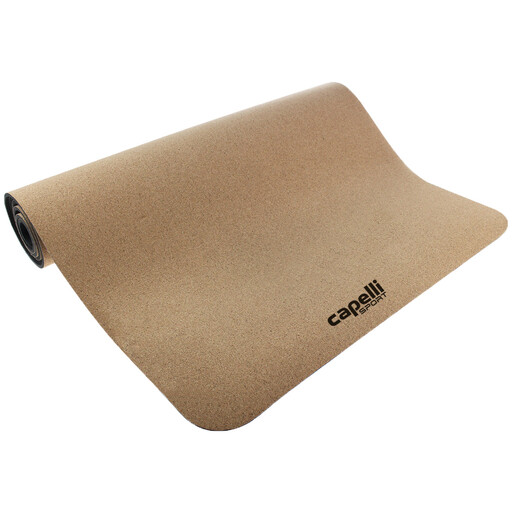
Why This Fits Their Persona: Ideal for practitioners who value natural materials and need a mat for sweaty practices like Hot Yoga. The combination of cork and TPE merges sustainability with functionality.
This mat solves the "non-slip" trap: the natural cork surface becomes grippier with moisture. This means your grip improves the more you sweat, rather than diminishing.
The surface is made of cork, a renewable resource. The TPE underside ensures it stays stable on the floor and provides good cushioning.
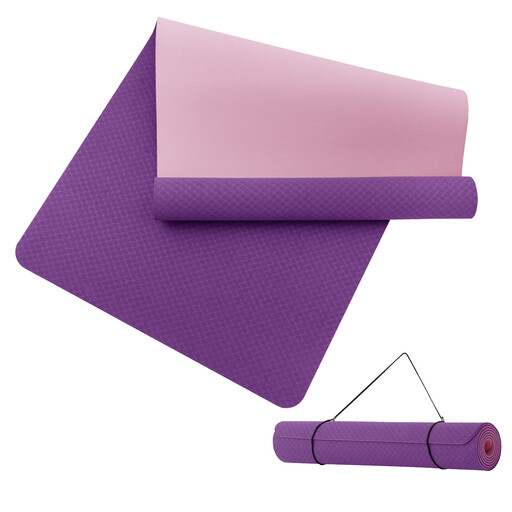
Why This Fits Their Persona: Perfect for taller individuals or anyone who wants more room to move. At 190 cm long and 80 cm wide, this large mat offers significantly more space than standard models.
It solves the problem of a too-small practice area. Your hands and feet will stay comfortably on the mat, even in wide lunges or during a reclining Savasana, without touching the cold floor.
The XXL dimensions of 190 x 80 cm provide maximum comfort and freedom of movement. The TPE material ensures good cushioning, and the double-sided texture offers a secure grip.
We have compiled a complete, up-to-date list of products that fully meet these strict selection criteria and all applicable safety regulations.
Most TPE and PVC mats can be wiped down with a damp cloth and a mild soap solution. Allow the mat to air dry completely before rolling it up. Cork mats are best cleaned with just a damp cloth, as detergents can damage the natural surface. Avoid storing your mat in direct sunlight, as this can make the material brittle.
For versatile use that includes both yoga and general fitness exercises, a thickness of around 6 mm is a good compromise. It offers enough padding for your joints during floor exercises without compromising stability in standing poses. For pure Pilates or gymnastics, where the focus is on cushioning, a thicker mat of 8-10 mm can be more advantageous.
A yoga mat is primarily designed for grip and stability for standing and dynamic poses. It is usually thinner (3-6 mm). An exercise mat or fitness mat is often thicker (8 mm and up) and focuses on maximum cushioning for exercises performed while lying or sitting, such as crunches or planks. Its surface is not always optimised for the grip needed in yoga.