
Lieferung heute & morgen

Qualitätsgarantie

Willkommens-Angebote freischalten: KOSTENLOSE Lieferung | Bis zu 80 % RABATT | Kostenlose 30-Tage-JoyPlus-Testphase
App herunterladen
A good yoga mat is the foundation for a safe and comfortable practice, whether for yoga, Pilates, or at-home fitness routines. But the sheer number of options can be overwhelming: Which material is right? How thick should the mat be? And what features are truly important? A slippery or uncomfortable mat can not only disrupt your focus but also increase the risk of injury.
This article serves as your guide. We'll outline objective criteria to help you make an informed decision and present a selection of mats with different specialities to meet the diverse needs of users.
Before you decide on a model, you should consider three key aspects: material, thickness, and surface texture. These factors are crucial in determining the comfort, stability, and durability of your new exercise mat.
The material affects the mat's slip resistance, cushioning, and weight.
The thickness of a sports mat is measured in millimetres (mm) and directly impacts your workout.
A non-slip surface is a critical safety feature. Look for textured surfaces that grip the floor and also provide a secure hold for your hands and feet. A carrying strap is a practical accessory that makes transporting and storing the rolled-up mat much easier.
Here is a selection of mats that stand out for their different materials and features, making them suitable for various types of practice.
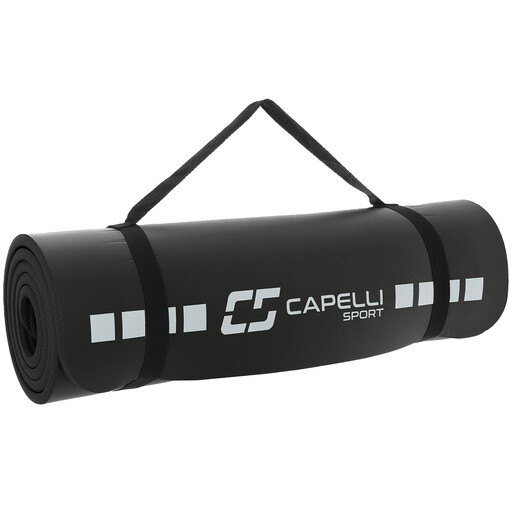
Why it stands out: With a thickness of 12 mm, this mat offers plush cushioning that maximises comfort during floor-based exercises.
Features at a glance:
Who is it for?: This mat is a great choice for users seeking an especially thick and joint-friendly exercise mat for fitness workouts, Pilates, or gentle yoga styles. Its substantial cushioning protects the knees, elbows, and spine during floor exercises.
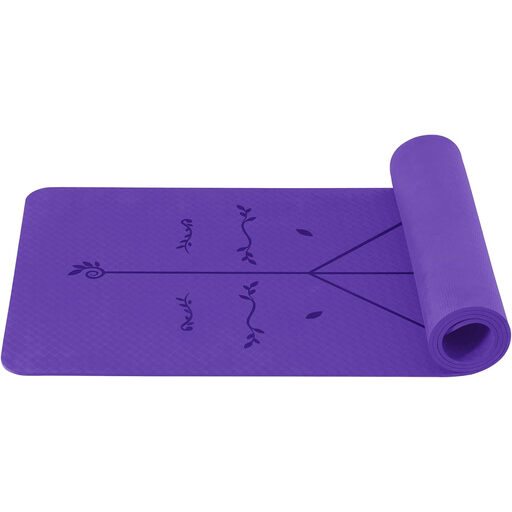
Why it stands out: This model combines a standard 6 mm thickness with practical alignment lines, which are a helpful guide, especially for beginners.
Features at a glance:
Who is it for?: Ideal for yoga and Pilates beginners, as well as practitioners who value correct alignment. The 6 mm thickness offers a well-rounded balance of comfort and stability, while its light weight makes it easy to carry to the studio.
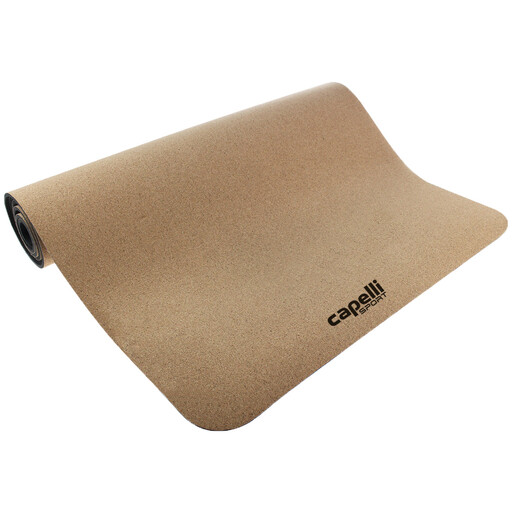
Why it stands out: This mat combines a natural cork surface with a TPE base, making it an eco-friendly option with excellent grip, especially during sweaty workouts.
Features at a glance:
Who is it for?: An excellent choice for eco-conscious users and fans of Hot Yoga, Vinyasa, or other dynamic styles. The natural grip of the cork ensures a secure hold, even when the practice gets intense.
The models featured here cover common requirements. But the world of exercise mats is vast. Perhaps you need a foldable mat for travel, an extra-wide version for more freedom of movement, or a special gymnastics mat for floor exercises.
For more options and models, we invite you to explore our entire collection.
Discover Our Selection of Gymnastics Mats
Most yoga mats can be easily cleaned with a damp cloth and a mild soap solution. Wipe down the mat and then let it air dry completely before rolling it up again. Avoid direct sunlight, as it can damage the material. Always follow the manufacturer's specific care instructions.
Although the terms are often used interchangeably, there are functional differences. A yoga mat is typically thinner (3-6 mm) and designed for maximum slip resistance for stable poses. A gymnastics mat or fitness mat is often thicker (10 mm or more) to provide greater cushioning for floor exercises, jumps, or core training, with less emphasis on grip for standing poses.
Not necessarily. The ideal thickness depends on your practice. A thick, heavily cushioned mat is joint-friendly and comfortable for restorative yoga styles or Pilates. For dynamic styles or balancing poses, a thinner mat can be more advantageous as it provides more stability and a better connection to the floor.