
Lieferung heute & morgen

Qualitätsgarantie

Willkommens-Angebote freischalten: KOSTENLOSE Lieferung | Bis zu 80 % RABATT | Kostenlose 30-Tage-JoyPlus-Testphase
App herunterladen
Choosing a yoga mat can be a challenge given the vast array of materials, thicknesses, and sizes. An unsuitable mat might slip, offer insufficient cushioning, or be the wrong size for your body. The goal of this guide is to provide you with clear direction. We'll outline objective selection criteria and present a curated selection of mats with diverse features to make your decision easier.
Before making a decision, there are several key features to consider. These factors determine how well a mat will meet your individual needs for yoga, Pilates, or general fitness exercises.
The material directly impacts the mat's grip, durability, weight, and eco-friendliness.
A non-slip yoga mat is essential for performing poses safely. The grip is determined by the material and surface texture. An embossed or textured surface can further enhance traction.
The thickness of the mat affects both comfort and stability:
The standard size for a yoga mat is approximately 180 cm x 60 cm. For taller individuals or for practices that require more space, like with a Pilates mat, an extra-large yoga mat may be a better fit. A larger mat ensures your entire body remains on the mat during all exercises.
Here is a selection of mats that stand out for their different materials, sizes, and features.

Why it stands out: This mat combines a functional 6 mm thickness with an appealing design. The durable PVC material makes it a long-lasting companion for various types of workouts.
Pros:
Who it's for: Users looking for a versatile, low-maintenance mat for yoga, Pilates, and general fitness exercises at home or in the gym.

Why it stands out: With its generous 190 x 100 cm dimensions, this extra-large yoga mat offers ample space. The TPE material ensures slip-resistance on both sides and a low weight.
Pros:
Who it's for: Individuals who need more space for their practice, as well as users of Pilates or fitness programs who prefer a large yet portable mat.
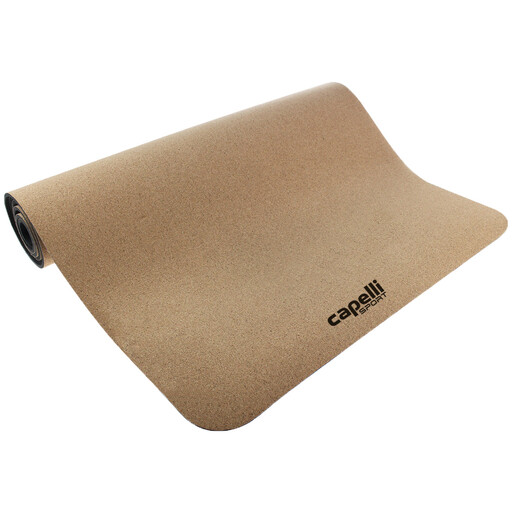
Why it stands out: This mat features a combination of natural cork on top and TPE on the bottom. The cork yoga mat is renowned for its grip, which actually improves with moisture.
Pros:
Who it's for: Users who prefer an eco-friendly material, as well as practitioners of Hot Yoga or other intense styles that demand high grip when sweating.
Haven't found the right mat for your needs yet? There are many other models that differ in material, design, and function. You can find a wider selection of exercise mats in our category.
? Discover more mats in the Sportslips category
Although the terms are often used interchangeably, there are functional differences. A yoga mat is typically thinner and designed for grip to ensure stability in poses. A fitness mat or exercise mat is often thicker (over 8 mm) to provide more cushioning for high-impact exercises like jumps or sit-ups. However, a 6 mm yoga mat can often serve as a great all-rounder for both purposes.
Cleaning depends on the material. PVC and TPE mats can usually be wiped down with a damp cloth and a mild soap solution. For a cork yoga mat, a damp cloth is often sufficient, as the material has natural antimicrobial properties. Avoid harsh cleaning agents, as they can damage the material. Always follow the manufacturer's care instructions.
Grip is one of the most important features. Natural rubber and cork inherently offer very high grip, which even increases with moisture. TPE and PVC can also provide excellent non-slip properties through special surface textures. The choice depends on your type of practice (e.g., sweaty or calm) and personal preference.