
Lieferung heute & morgen

Qualitätsgarantie

Willkommens-Angebote freischalten: KOSTENLOSE Lieferung | Bis zu 80 % RABATT | Kostenlose 30-Tage-JoyPlus-Testphase
App herunterladen
The selection of yoga mats can be overwhelming. Different materials, thicknesses, and sizes make the decision complex. This guide is here to bring some clarity. As a Joybuy Product Recommendation Officer, my job is to provide you with objective and practical information so you can make an informed decision based on facts, not marketing hype. We will analyse the essential features that define a good yoga mat and present a selection of models for various needs.
To find the right home workout mat or studio mat, three criteria are crucial: material, thickness, and size. These factors determine the comfort, stability, and durability of your mat.
The material affects the mat's grip, weight, and ease of care.
The thickness of a mat is measured in millimetres (mm) and directly impacts your workout experience.
A standard mat measures approximately 183 x 61 cm. For taller individuals or for exercises with wide movements, a large yoga mat (e.g., 190 x 100 cm) can offer significantly more comfort. Slip resistance is a key safety feature. A non-slip gymnastics mat is achieved through the choice of material and a textured surface. Dual-sided textures, such as wave or leaf patterns, can improve grip on the floor and for your hands and feet.
Here is a selection of mats that stand out with specific features for different applications.

Why it stands out: The dimensions of 190 × 100 cm offer an exceptional amount of space. This allows for unrestricted freedom of movement during yoga, Pilates, and other floor exercises without worrying about slipping off the mat.
Benefits:
Who is it for? This model is ideal for people who need more space for their workout, whether due to their height or the nature of their exercises. It is a versatile home workout mat for the home, studio, or gym.

Why it stands out: The combination of a natural cork surface and a TPE base makes this mat special. The cork yoga mat absorbs moisture, improving its grip the more you sweat.
Benefits:
Who is it for? This mat is aimed at yoga practitioners who are looking for a durable, high-performance mat with natural materials and whose grip does not diminish even during sweaty sessions.
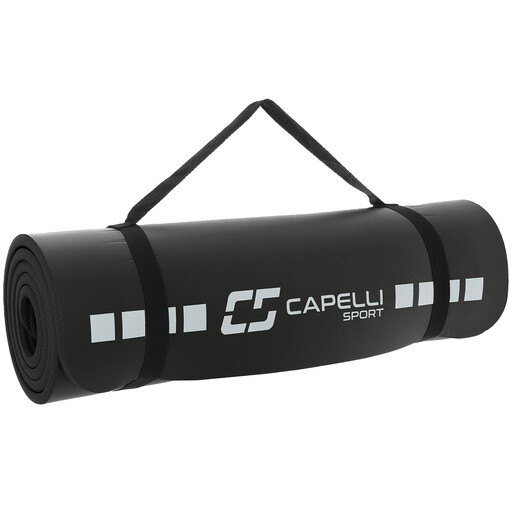
Why it stands out: With a thickness of 12 mm (1.2 cm), this mat offers exceptional cushioning. It is designed as an especially thick sports mat to optimally protect joints during floor exercises.
Benefits:
Who is it for? Perfect for users who prioritise maximum comfort and joint protection. It is an excellent Pilates mat or gymnastics mat for all types of fitness workouts on the floor.

Why it stands out: This model is a solid all-rounder. It combines the proven properties of TPE material with a standard size and thickness, making it a reliable choice for a wide range of activities.
Benefits:
Who is it for? This mat is a great choice for beginners and advanced users looking for a reliable, lightweight, and easy-to-transport fitness mat for daily use at home or in the studio.
The selection presented here already covers many needs. However, if you haven't found the right model for you yet, you can find more alternatives in our broader product category.
? Discover our entire selection of Outdoor Fitness Mats here.
1. What is the difference between a yoga mat and a fitness mat? A yoga mat is typically thinner (3–6 mm) and designed for grip and stability for yoga poses. A fitness mat or gymnastics mat is often thicker (8 mm and up) to provide better cushioning for high-impact exercises like jumps or for floor exercises like sit-ups. However, the lines are often blurred, and many mats are suitable for both purposes.
2. How do I clean my yoga mat properly? Most TPE, NBR, and cork mats can be cleaned with a damp cloth and, if necessary, a mild soap solution. Wipe the mat down and let it air dry completely before rolling it up again. Avoid harsh chemical cleaners and direct, prolonged sunlight, as this can damage the material. Always follow the manufacturer's care instructions.
3. Which material for a yoga mat is particularly non-slip? TPE mats with a pronounced texture offer very good dry grip. Cork mats are distinguished by the fact that their slip resistance increases with moisture, making them ideal for sweaty exercises. Ultimately, slip resistance depends on the combination of material, surface texture, and the type of floor.