You don’t need a blender to make a yoghurt dressing with ingredients that are easy to whisk together: the German Federal Centre for Nutrition (BZfE) uses a whisk in its basic recipe. If you want to blend herbs or other ingredients, check that the quantity suits the container and that the parts are easy to clean afterwards. Whichever option you choose, you’ll also need a suitable container and a way to keep the dressing cool while you transport it.
Who makes yoghurt dressing for their lunchbox?
Preparing a single portion
If you’re making a small amount of dressing before work, the ingredients should sit within easy reach of the blades in the blending container. A whisk is also all you need for a simple yoghurt sauce, as the German Federal Centre for Nutrition (BZfE) explains in its recipe.
Dressing with herbs
If you want to add herbs or other ingredients that can be blended, compare the blending container, ease of use and cleaning requirements. The right design depends on whether you simply want to stir the ingredients together or blend them to a finer consistency.
Lunchbox for on the go
If you’re preparing the salad and dressing separately, remember to plan for a suitable container and a way to keep them cool. Choosing a blender won’t solve the transport and storage questions on its own: the German Federal Institute for Risk Assessment (BfR) stresses that perishable food should be kept cool when you’re out and about, too.
What should you look for?
Whisk rather than blender
A good fit if: You’re mixing yoghurt with ingredients that are easy to whisk together, and stirring in chopped herbs.
Bear in mind: A whisk won’t blend solid ingredients.
Hand blender
A good fit if: You regularly make small batches of dressing with herbs or other ingredients that can be blended, and want to keep an eye on the quantity in the container.
Bear in mind: Check the size of the container, the immersion depth, the splash guard and how easy it is to clean the specific blending foot.
Compact jug or personal blender
A good fit if: You also regularly make dips or drinks, and the cup size suits the quantities you usually prepare.
Bear in mind: You’ll also need to clean the cup, blade and any seals. A drinking lid is no substitute for a suitable dressing container or a way to keep it cool.
| Buying priority |
What to check before buying |
Who is this important to? |
| Small amount of dressing |
Check the intended blending container and permitted filling quantities in the instructions for the specific model. |
If I’m making just one portion, I want the ingredients to reach the blending area. Around 40% of consumers put the ability to process a small quantity first. |
| Everyday cleaning |
Check the instructions to see which parts are removable and which are dishwasher-safe. |
If I make dressing regularly during the week, I want to know which parts need cleaning after blending. Around 30% of consumers pay particular attention to cleaning requirements. |
| Herbs and consistency |
Check whether the blending foot or chopper is right for your intended recipe and included with the model you’ve chosen. |
If I want to blend herbs more finely, having the right tool matters more to me than the wattage alone. Around 20% of consumers prioritise chopping ingredients. |
| Transport and keeping cool |
Plan for a suitable container and a way to keep the dressing cool until you’re ready to eat. |
If I’m preparing dressing for my lunchbox, I want to transport it separately from the salad and keep it cool. Around 10% of consumers put these considerations first. |
Avoid common buying mistakes
-
Buying a blender when all the recipe calls for is a whisk
The German Federal Centre for Nutrition uses a whisk for its basic yoghurt sauce recipe, then stirs in chopped herbs. You don’t need an electric appliance for this.
Before you buy, consider whether you really want to blend ingredients or whether simply whisking them together will do.
-
Assuming the wattage guarantees a particular dressing result
Manufacturers’ specifications for power and features aren’t a measured comparison of how well a blender handles a small amount of yoghurt dressing.
Also compare the container, controls, accessories and cleaning instructions for the specific model.
-
Assuming a to-go lid solves all your lunchbox needs
A lid described as leak-proof is a transport feature, not a way to keep food cool. The BZfE recommends mixing salad and dressing just before eating, while the BfR advises keeping perishable food cool when you’re out and about.
Plan for a suitable container and a way to keep the dressing cool, whatever type of blender you choose.
Brands and product ranges to consider
Braun
The MultiQuick 1 MQ10.000PWH is a hand blender for simple preparation tasks.
- Braun lists 450 W, one speed setting and a removable plastic blending foot.
- This particular version is listed with a blending foot only. Don’t assume a whisk or chopper is included; the manufacturer’s specifications aren’t an independent dressing test.
Bosch
The ErgoMixx MSM66120 is a hand blender set to consider if you want a chopper as well as a blending foot.
- Bosch lists 600 W, 12 speed settings, a removable metal blending foot, a blending beaker and a universal chopper.
- The extra accessories may be unnecessary for a simple dressing; the manufacturer’s specifications don’t provide a comparative dressing test.
WMF
The Kult X Mix & Go is a compact jug blender with a blend-and-drink cup.
- WMF lists a 0.6-litre Tritan container, 300 W and a screw-on lid described as leak-proof.
- The transport claim comes from the manufacturer. Check separately whether the cup and your cooling arrangements suit the quantity of dressing you make and your lunchbox.
Philips
Philips lists dips among the uses for its Daily Collection HR2602/00 mini jug blender.
- Philips lists 350 W and a four-blade assembly.
- The product specifications don’t state a minimum quantity for yoghurt dressing or show that it has an advantage over a hand blender.
nutribullet
With cup blenders, it’s worth checking how each individual part needs to be cleaned.
- According to the manufacturer’s care instructions, cups and lids can go on the top rack of the dishwasher.
- Blades and the Magic-Bullet motor base are excluded. The care instructions don’t recommend a particular model or guarantee a specific dressing result.
Joybuy products for sauces and dips
This selection of hand blenders is for anyone who wants to make sauces or dips. If you’re preparing a small amount of dressing, check that the container suits your recipe.
 No image available
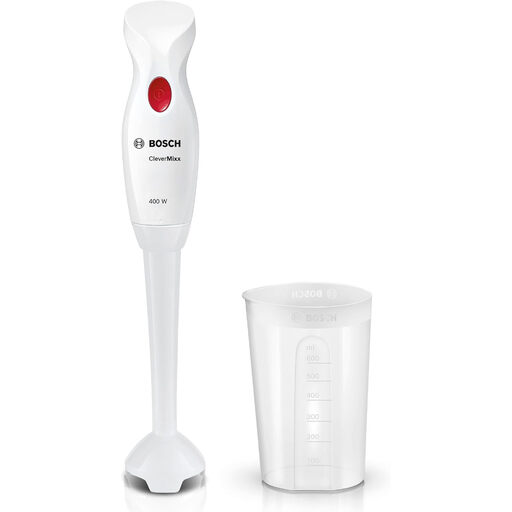
Bosch CleverMixx MSM14000, 400 W
For sauces or dips; check whether the blending beaker suits the quantity of dressing you’re making.
Removable blending foot and blending/measuring beaker.
Four-blade assembly; parts listed as dishwasher-safe in the product description.
View at Joybuy
 No image available
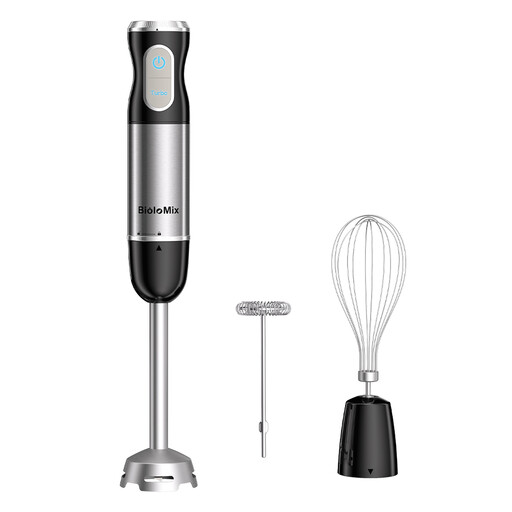
BioloMix HB3016, 3-in-1
For sauces you want to emulsify or make with ingredients that can be blended.
Detachable design; the product description says it’s suitable for use with various containers.
View at Joybuy
 No image available
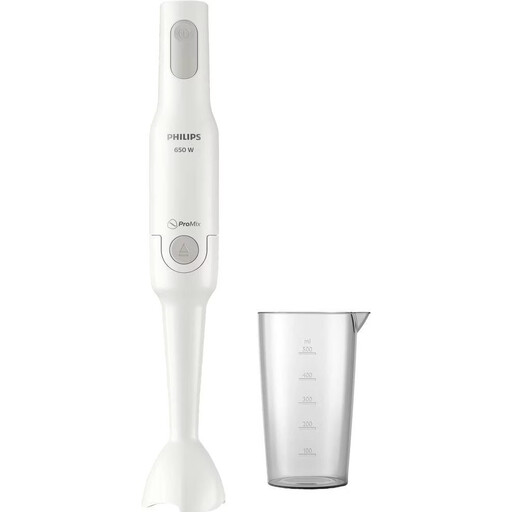
Philips HR2531/00, 650 W
For sauces, if you’re looking for a hand blender with a blending beaker.
Blending beaker and one-button release, according to the product name; the product description lists the removable parts as dishwasher-safe.
View at Joybuy
 No image available
ochama hand blender, 600 W, 4-in-1
For sauces and whisking, if you’d like to use a whisk attachment.
The product name lists a 500 ml chopper and an 800 ml beaker.
Two speed settings and a detachable design.
View at Joybuy
 No image available
Monsga S100, 2-in-1 hand blender and whisk
For preparing ingredients in the beaker or whisking them with the whisk attachment.
The product name lists a 500 ml beaker and a 500 ml chopper.
Standard and turbo modes; the product description lists the accessories as dishwasher-safe.
View at Joybuy
Frequently asked questions
Do I need to blend yoghurt dressing at all?
No, not for the German Federal Centre for Nutrition’s basic recipe: yoghurt, lemon juice, mustard, seasoning and oil are whisked together, then chopped herbs are folded in. A blender is an option if you want to blend the ingredients.
How should I pack salad and yoghurt dressing for lunch?
Transport the dressing separately from the salad and add it just before eating. The German Federal Institute for Risk Assessment recommends keeping perishable food cool when you’re out and about, too. For fridge storage, it recommends a temperature of 2 °C to no more than 7 °C. A blender cup or drinking cup won’t keep its contents cool.
Which blender parts can go in the dishwasher?
It depends on the model and the individual part. According to nutribullet’s care information, cups and lids can go on the top rack of the dishwasher, but blades and the Magic-Bullet motor base cannot. For other models, check the instructions for the exact version you’re considering.
What should I know about faults and disposing of an old blender?
If you buy from a business seller in the EU, you’re entitled to a legal guarantee of at least two years from the date you receive the goods, as Your Europe explains. This is separate from any voluntary manufacturer’s warranty. Old electrical appliances should be taken to authorised collection points. The German Federal Ministry for the Environment points out that retailers’ take-back obligations are subject to legal conditions.
What should I check on the labelling of a blender sold in Germany?
The German Federal Network Agency lists checks including correct CE marking, accurate manufacturer details and German-language instructions with the required warnings. Check the labelling and documentation for the specific version you intend to buy.


