What to consider when buying
First decide whether you want to stir ingredients together or actually blend them. Then consider portion size, the space you have and any other tasks you’d like the accessories to handle.
| What to consider |
What to check |
Who it matters most to |
| Space needed |
Compare the appliance’s dimensions, the space needed to move it while blending and the accessories included. |
If I’m preparing food on a small worktop and want to put the appliance away afterwards, I need to consider both the space it takes up in use and the storage space required. Around 36% of consumers prioritise space requirements. |
| Small portions |
Match the usual quantity to the shape of the container and the blending foot; only rely on a minimum fill level if it’s specified for that exact model. |
I need the blending foot to reach my small portion of dressing in the container I’ve chosen, rather than only work well in a larger one. Around 29% of consumers put suitability for small quantities first. |
| Cleaning |
Check the instructions for the exact model to see which parts can be removed and how they should be cleaned. |
If I want to clean as few parts as possible after each use, the actual cleaning involved matters more than a long list of accessories. Around 21% of consumers prioritise easy cleaning. |
| Extra functions |
Check that the attachments you need are included with the exact model and are intended for the tasks you have in mind. |
If I regularly want to chop ingredients or blend drinks too, an extra attachment could be useful – provided I have room for it and use it often enough. Around 14% of consumers prioritise additional uses. |
In Germany, electric blenders are subject to the applicable EU requirements. Parts that come into contact with food are covered by food contact materials regulations, including Regulation (EC) No 1935/2004. The European Commission explains the framework for food contact materials, while Your Europe describes CE marking as a manufacturer’s declaration, not an independent performance test. Check the information for the specific product listing, and don’t assume that general regulations confirm an individual appliance’s compliance.
Joybuy product picks
These product picks include hand blenders for blending small quantities, as well as a set with extra attachments. Check that the container and blending area suit the portions you usually make.
 No image available
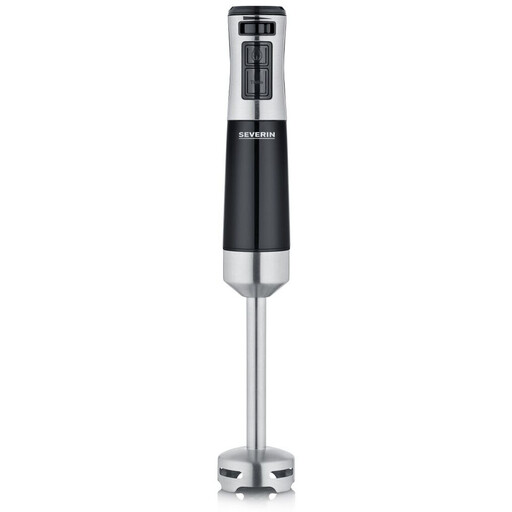
Severin SM 3771 hand blender, 600 W, black/stainless steel
This hand blender is an option for recipes you want to blend.
The product name specifies 600 W, variable speed control and a detachable blending shaft.
Joybuy
 No image available
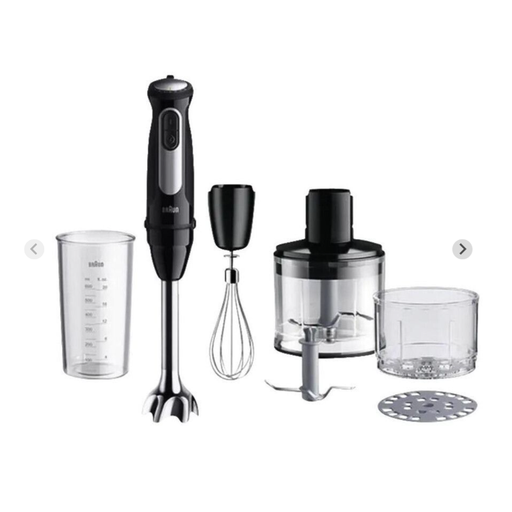
Braun MultiQuick Pro MQ55254M hand blender, black
This model is an option if you want to blend ingredients with a hand-held appliance that’s easy to store.
Joybuy
 No image available
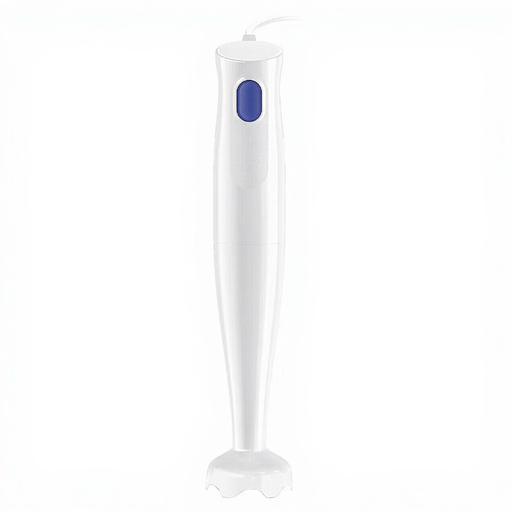
Braun MultiQuick MQ10.000PWH hand blender, white
A hand blender is worth considering if you want to blend dressing or other ingredients in a suitable container.
Joybuy
 No image available
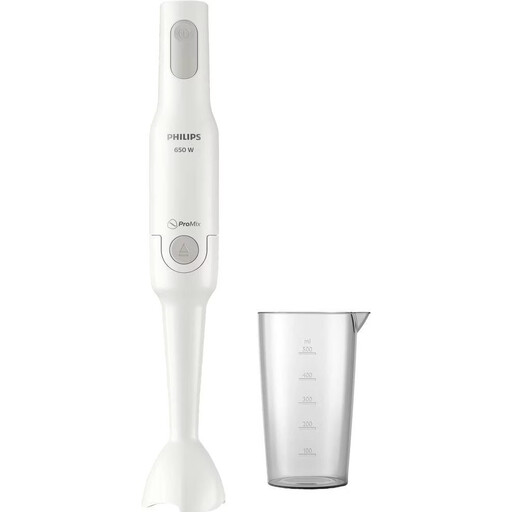
Philips HR2531/00 hand blender with blending beaker, 650 W, white
The blending beaker makes this hand-held appliance an option if you want to have a container ready for your recipe.
The product name specifies ProMix Technology, 650 W and one-touch release.
Joybuy
 No image available
ochama 4-in-1 hand blender set, 600 W, with whisk, chopper and containers
This set is worth considering if you want to use the extra attachments as well as blend ingredients; for making dressing alone, they mean more parts to store and clean.
The product name specifies two speed settings, a 500-ml chopper and an 800-ml container.
Joybuy
Frequently asked questions
Do I need a blender to make a simple yoghurt dressing?
No. If you just want to whisk yoghurt and liquid ingredients until smooth and stir in finely chopped herbs, a whisk is enough. A blender is an option if you want a blended consistency or finely processed ingredients.
How do I choose a hand blender for small portions of dressing?
Choose a container that fits the blending foot and lets it reach the quantity of ingredients you usually use. A beaker’s stated capacity alone doesn’t prove that it’s suitable for a particularly small portion; any documented minimum fill level should apply to the exact model.
How can I avoid splashes and clean a hand blender?
Use a stable container that suits the blending foot and the quantity you’re making, and follow the cleaning instructions for the exact model variant. Don’t rely on an anti-splash label alone: CHIP rated the splash protection of the Bosch MSM66110 it tested as only moderate.
What does CE marking mean on a blender in Germany?
For electrical appliances, CE marking represents the manufacturer’s declaration of conformity, not an independent test of blending performance. Parts that come into contact with food are also subject to the applicable food contact materials regulations, including Regulation (EC) No 1935/2004. Your Europe and the European Commission explain these general requirements; they don’t confirm that a specific product listing is compliant.
What are my rights if a blender bought online is faulty?
For faults that were present when the product was handed over, statutory consumer rights generally apply against the seller; the Verbraucherzentrale specifies a two-year period. This is separate from voluntary manufacturer warranties and the 14-day right of withdrawal that generally applies to online purchases, whose conditions and exceptions should be checked for the specific purchase. The information given reflects the Verbraucherzentrale’s guidance as of August 2026.


