People with limited shared fridge space
You share a fridge and need to decide whether a designated space for your yoghurt is enough or whether you need extra cooling space.


A designated space in the shared fridge is enough if you can store your yoghurt there hygienically and at the right temperature; you don’t automatically need your own appliance. The consumer advice centre recommends keeping yoghurt on the middle shelf of the fridge at 5 to 7 °C, while the Federal Institute for Risk Assessment recommends 2 °C to a maximum of 7 °C for perishable foods. If there’s no suitable space, a food fridge may be an option. With drinks coolers and thermoelectric cool boxes, check the temperature at the actual storage spot particularly carefully.
You share a fridge and need to decide whether a designated space for your yoghurt is enough or whether you need extra cooling space.
You want your yoghurt to be clearly identifiable and stored hygienically in a shared fridge.
You’re considering your own appliance and need to weigh up the space it takes, how much you need to store and its energy consumption.
First, check whether your existing fridge has a clean, suitable space at the right temperature. Only compare it with a separate appliance if there isn’t enough room or it’s difficult to keep your food clearly separated.
| Priority | What to check before buying | Who it matters to |
|---|---|---|
| Suitable cooling | Check the storage instructions on the pot and the temperature at the actual storage spot. | If you want to make sure your yoghurt is kept at the right temperature, the temperature at the storage spot is key. Around 36% of consumers put suitable cooling first. |
| Separate storage | Check whether a designated space and sealed containers in your existing fridge are enough. | If you want to keep your yoghurt clearly identifiable and hygienically stored in a shared kitchen, day-to-day practicality matters. Around 29% of consumers prioritise separate, hygienic storage. |
| Capacity and space | Compare the size of your pots, usable interior layout, external dimensions and door clearance. | If your kitchen is short on space, consider the room the appliance takes up alongside how much you need to store. Around 21% of consumers prioritise suitable capacity and space requirements. |
| Energy consumption | Compare annual consumption in kWh and choose an appliance sized to the amount of food you actually store. | If you’d keep a second appliance running all the time, its additional energy consumption should factor into your decision. Around 14% of consumers put ongoing running costs first. |
A relative cooling performance figure or the label “drinks cooler” doesn’t tell you on its own what temperature the appliance will reach at the intended storage spot.
Compare the storage instructions on the yoghurt pot with the actual temperature at the intended spot, particularly in a warm kitchen.
Shelves, pot sizes, door clearance and external dimensions all affect how practical the appliance will be in your kitchen.
Measure your food, available space and door clearance, then compare the interior layout of the specific models you’re considering.
A designated, suitable space could solve the organisation problem without the need to run an additional cooling appliance.
First check the space, temperature and storage arrangements in your existing fridge. Then compare the annual energy consumption of a separate appliance.
Compact cooling space for smaller supplies, with the KB 8879 model and a separate chiller compartment.
The KB05-V-040E inoxlookPV is described as a compact fridge for a small, separate supply of food.
The KTR15NWEB table-top fridge is a larger option if you genuinely need more shared cooling space.
The Beersafe M is a drinks cooler you can compare, but it isn’t automatically equivalent to a food fridge.
The MD 10735 thermoelectric cool box is a portable alternative to consider if you’re also looking at cool boxes.
This selection at Joybuy includes compact fridges that give you a separate cooling space in the kitchen. For each model, check the temperature it actually reaches at the spot where you intend to store your yoghurt.
 No image available
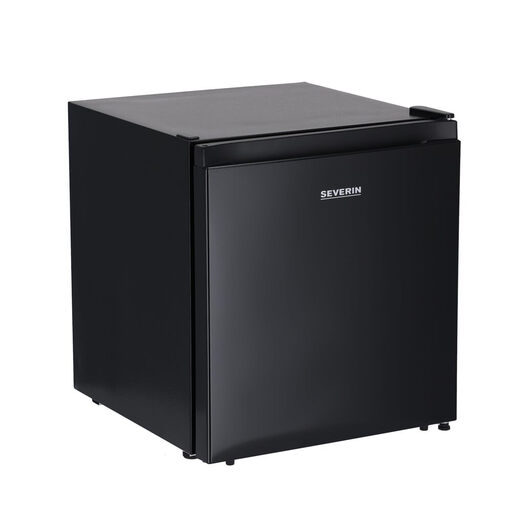
For a separate, compact cooling space. Before storing yoghurt, check the temperature at the intended spot.
45 l total capacity, including a 5 l freezer compartment; 80 kWh/year. Dimensions: 41,8 × 44,8 × 47,8 cm.
 No image available
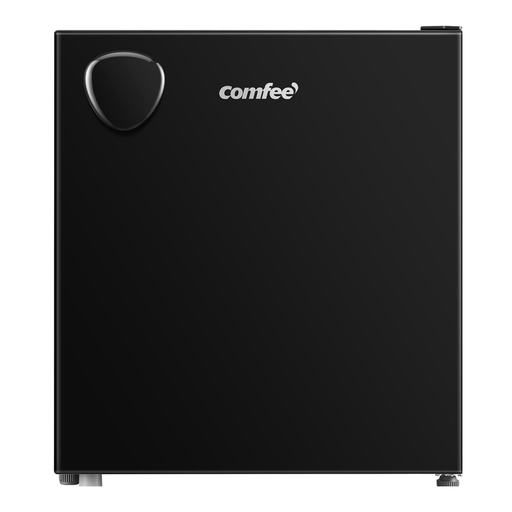
For a small, separate food supply. Check whether the appliance reaches the right temperature for yoghurt at the intended storage spot.
43 l capacity, three temperature settings and 80 kWh/year. The stated width is 44,5 cm; the door is reversible.
 No image available
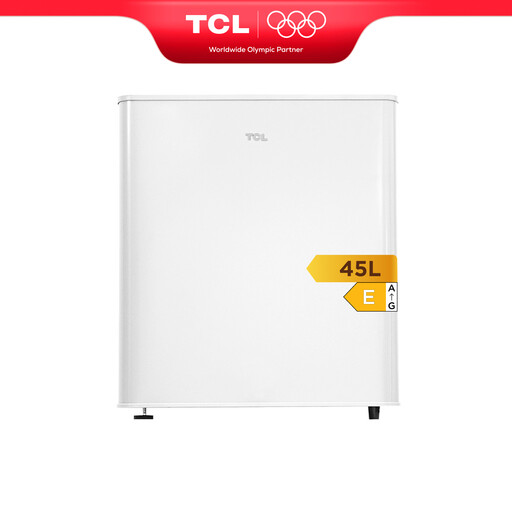
For your own cooling space where room is limited. The stated temperature range alone doesn’t confirm the temperature at the spot where you’ll store your yoghurt.
45 l total capacity, including a 42 l fridge compartment; stated temperature range: 0–10 °C. Adjustable glass shelf.
 No image available
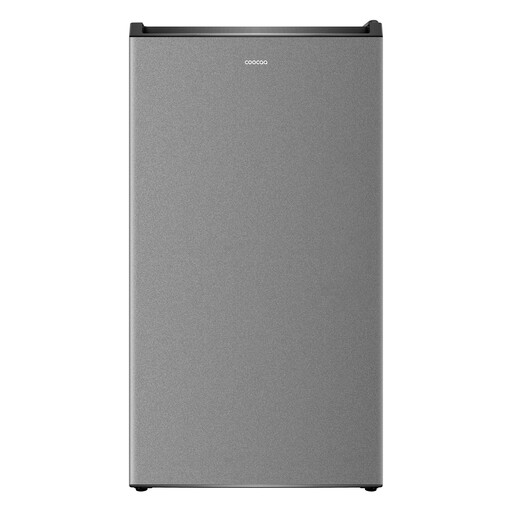
For keeping food separate when you need more interior space than a small compact appliance offers. Measure the space where you plan to put it first.
83 l fridge capacity, one shelf and three door compartments. Stated dimensions: 444 × 456 × 850 mm.
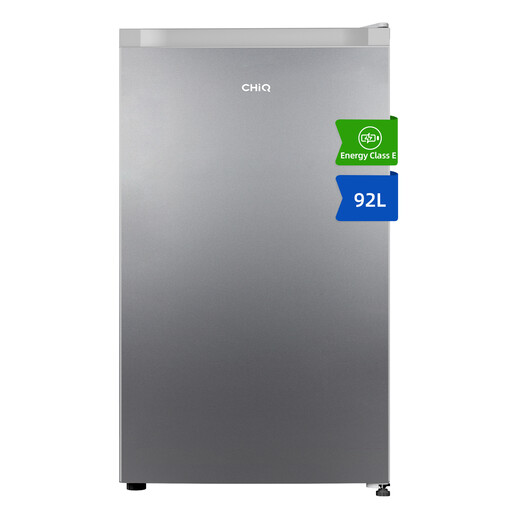 No image available
For extra cooling space and a larger supply of food. Check that the space it takes up and the door clearance will fit in your kitchen.
92 l capacity, seven temperature settings and a chiller drawer. Stated width: 47 cm; the door is reversible.
The consumer advice centre recommends storing it on the middle shelf of the fridge at 5 to 7 °C. Also follow the instructions on the packaging. If you’re using a different appliance or the fridge is packed tightly, check the temperature at the actual storage spot.
No, not if your existing fridge has a hygienic space at a suitable temperature. A separate appliance can give you extra room and make it easier to keep your food separate, but it takes up space and uses extra electricity.
It depends on whether the specific appliance meets the yoghurt storage instructions at the intended spot. If you’re using a thermoelectric box with cooling performance measured relative to the ambient temperature, check the actual temperature particularly carefully when the room is warm.
Compare the annual consumption in kWh shown on the energy label and consider how much cooling space you actually need. To estimate your personal costs, multiply the annual consumption in kWh by your electricity price in euros per kWh.
The Federal Institute for Risk Assessment explains that there is no general temperature requirement covering all food in private households. Its recommendation of 2 °C to a maximum of 7 °C for perishable foods is a safety guideline, not a blanket legal requirement for household fridges. You should also follow the storage instructions on the yoghurt packaging.