
Lieferung heute & morgen

Qualitätsgarantie

Willkommens-Angebote freischalten: KOSTENLOSE Lieferung | Bis zu 80 % RABATT | Kostenlose 30-Tage-JoyPlus-Testphase
App herunterladen
The desire for authentic Korean street food at home is growing, but time for elaborate cooking is often scarce. Yopokki Tteokbokki offers a convenient solution: a quick, easy Korean snack that's ready in minutes. However, with such a wide variety of flavours, making a choice can be a challenge.
This guide is here to help. It objectively presents different Yopokki varieties and provides factual information to help you make an informed decision when you're looking to buy Tteokbokki.
To find the perfect flavour for your palate, a few criteria are helpful. The following points provide an overview of the key distinguishing features.
The sauce is the heart of any Tteokbokki dish. Yopokki offers a range that covers various taste profiles:
Instant Tteokbokki is designed for quick and easy preparation. The two most common packaging formats are the cup and the pouch.
A look at the ingredients list is always advisable, especially for those with allergies or specific dietary requirements. The main ingredient of the Korean rice cakes is rice flour. The sauces contain different components depending on the flavour. Common allergens include soy and wheat (gluten). The nutritional information on the packaging also provides details on calories, carbohydrates, and other values per 100g.
Here is an introduction to three popular Yopokki varieties that represent different flavour worlds.
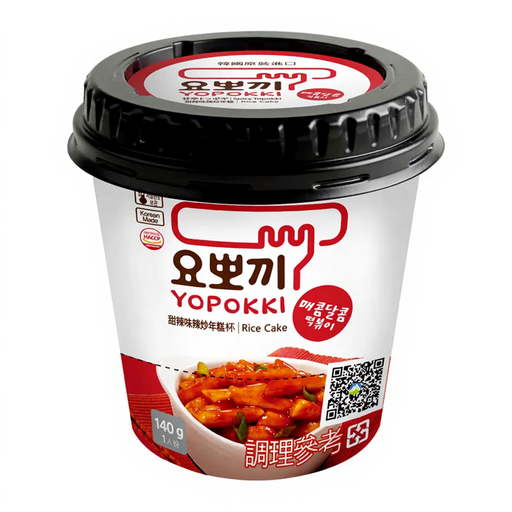
Why It Stands Out: This variety embodies the classic Tteokbokki flavour. The sauce is based on a combination of Gochujang (chilli paste) and ketchup, resulting in a balanced ratio of heat and sweetness. The rice cakes retain their characteristic, pleasantly chewy texture after cooking.
Pros:
Who It's For: Those who appreciate the traditional, zesty taste of Korean street food and prefer a moderate level of spice. A great entry point into the world of spicy Tteokbokki.
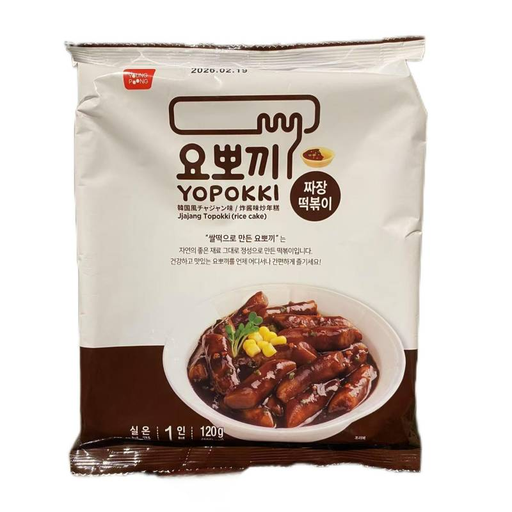
Why It Stands Out: The Jjajang variety is a completely non-spicy alternative. The dark, rich sauce made from black bean paste delivers a deep, savoury umami flavour with a subtle sweetness. It's a popular flavour in Korean cuisine, known from dishes like Jajangmyeon.
Pros:
Who It's For: Ideal for anyone who avoids spice but still wants an authentic and flavourful Korean snack. Also a great choice for children or as a gentle introduction to Korean cuisine.
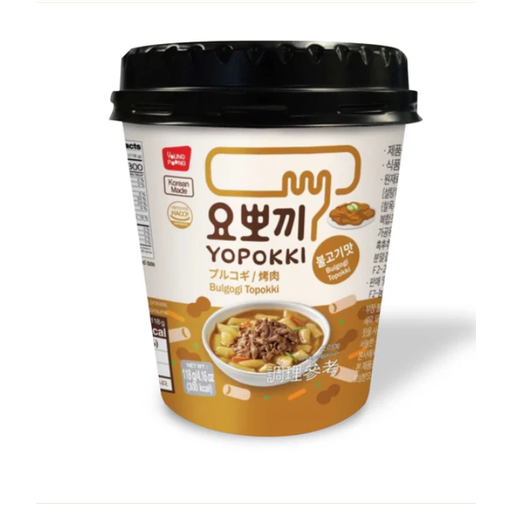
Why It Stands Out: This flavour is inspired by the taste of the Korean BBQ dish Bulgogi. The sauce combines the saltiness of soy sauce with a distinct sweetness and light smoky notes. It offers a harmonious, savoury-sweet experience that is less spicy than the classic Gochujang varieties.
Pros:
Who It's For: People who enjoy the taste of soy sauce and sweet-and-salty marinades. A great option for those who find Jjajang too earthy and Gochujang too spicy.
The world of Korean snacks is vast. If you haven't found the right fit in this selection or want to explore other brands and preparation methods, you can find a wider range in our category.
? Discover more Korean rice cakes here
1. How spicy is Yopokki Tteokbokki? The spice level varies significantly depending on the flavour. Varieties like "Sweet & Spicy" or "Hot & Spicy" have a noticeable heat from Gochujang. Flavours like Jjajang are completely mild. Bulgogi falls in between, being more savoury-sweet with a very subtle kick. Pay attention to the product name to gauge the expected spice level.
2. How do you prepare Yopokki Instant Tteokbokki? Preparation is straightforward. For the Tteokbokki cup version, add the rice cakes, sauce powder, and water (up to the line) into the cup, stir, and heat in the microwave for about 2–3 minutes. For pouch versions, the ingredients are cooked with water in a pot for 3–5 minutes until the sauce thickens. The exact instructions are always on the packaging.
3. What exactly is Tteokbokki? Tteokbokki (???) is a popular Korean dish made primarily from small, cylinder-shaped Korean rice cakes (Tteok). These are cooked in a savoury, often spicy, sauce. It is a staple of Korean street food culture and is enjoyed in many different variations.