
Lieferung heute & morgen

Qualitätsgarantie

Willkommens-Angebote freischalten: KOSTENLOSE Lieferung | Bis zu 80 % RABATT | Kostenlose 30-Tage-JoyPlus-Testphase
App herunterladen
Choosing to skip alcohol doesn't mean you have to sacrifice enjoyment. More and more people are seeking premium alternatives for social evenings, celebrations, or simply for mindful enjoyment in their daily lives. However, the non-alcoholic wine market can be confusing and is filled with pitfalls that often lead to disappointing purchases. As your Joybuy Product Recommendation Officer, I'm here to help you separate the wheat from the chaff and make a choice that truly suits your palate.
Before you add a bottle to your cart, you should be aware of two common issues that often cause dissatisfaction:
To avoid disappointment, you should look for three objective characteristics that indicate the quality of a non-alcoholic wine.
A high-quality wine without alcohol isn't made by mixing juices; it's based on a real wine from which the alcohol is subsequently removed. The gentlest and highest-quality method is vacuum distillation. This process involves evaporating the alcohol at low temperatures (below 30°C). This process preserves the delicate and volatile aromas of the original wine far better than older methods. A mention of this method in the product description is often a good sign.
A look at the nutritional information is essential. A high sugar content (often over 5g per 100ml) can point to the aforementioned sugar trap. A good non-alcoholic red wine or white wine is characterised by a fine balance between subtle residual sweetness and a present acidity. The acidity provides freshness, structure, and a 'grown-up' flavour profile that sets it apart from sweet soft drinks.
Just as with alcoholic wine, the grape variety and growing region shape its character. Do you prefer the fruity notes of a Riesling, the robust flavours of a Primitivo, or the crisp character of a Moscatel? Many producers list the grape varieties used. If you already know which wines you enjoy, you can use these varieties as a guide to find a suitable non-alcoholic alternative. Well-known brands like Rotk?ppchen non-alcoholic, for example, rely on proven blends (cuvées) to ensure a consistent taste.
Here are some recommendations tailored to different needs and flavour profiles, all of which meet the quality criteria mentioned above.
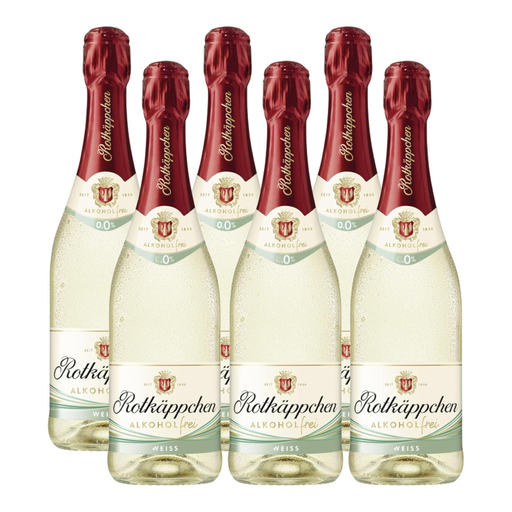
Why This Fits Their Persona: Ideal for hosts looking for a well-known and popular option for an alcohol-free toast. Rotk?ppchen is an established brand, known for reliable quality that is always a hit with guests.
Instead of being overly sweet, this cuvée of de-alcoholised wines offers a fresh, fruity flavour profile that closely mimics the classic sparkling wine experience and doesn't taste like a soft drink.
Based on a gentle de-alcoholisation process that preserves the brand's typical lively character. Widely available and well-regarded.
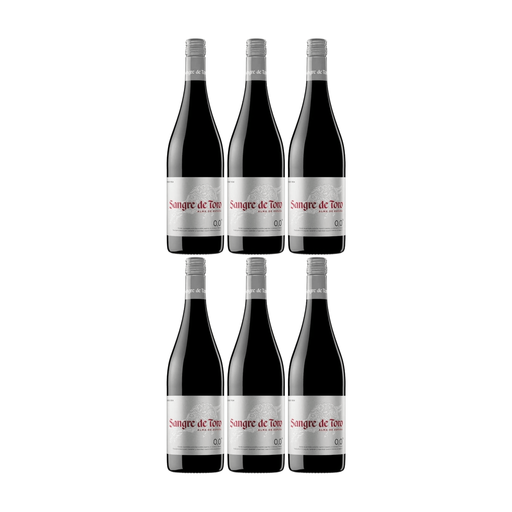
Why This Fits Their Persona: Perfect for discerning connoisseurs seeking a structured, dry red wine character. The 0.0% alcohol guarantee also offers complete peace of mind for anyone strictly avoiding alcohol.
This wine is classified as "dry" and relies on the aromas of Garnacha and Syrah grapes (ripe red fruits, spices) rather than added sugar to create complexity and body.
Produced by Torres, a renowned Spanish winery that guarantees quality. It offers a soft tannin structure, which is a rare find in non-alcoholic red wines.
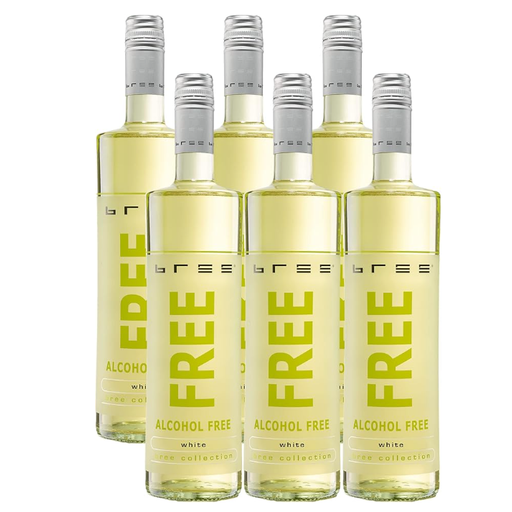
Why This Fits Their Persona: For health-conscious individuals looking for a low-calorie, refreshing option to unwind after work or to pair with light meals. The elegant bottle design also adds to its visual appeal.
The focus is on preserving the natural fruit bouquet (pineapple, pear, citrus) through a gentle process. At just 19 kcal and 3.3g of sugar per 100ml, it's a light, not-too-sweet choice.
Offers the characteristic freshness and fruitiness of the Bree brand with significantly fewer calories than its alcoholic counterpart. A straightforward and stylish choice.
We have compiled a complete, up-to-date list of products that fully meet these strict selection criteria and comply with all relevant regulations.
The process starts with a fully fermented wine. The alcohol is then removed using a technical process. The most common method for quality products is vacuum distillation, where the alcohol is evaporated under low pressure and at a low temperature, which helps to preserve the wine's delicate aromas.
Yes, in most cases. Products labelled "alcohol-free" are legally permitted to contain up to 0.5% ABV (alcohol by volume). This level is comparable to the alcohol content found in some fruit juices or ripe bananas. Anyone who wants or needs to avoid alcohol completely should specifically look for products with the "0.0% alcohol" label.
Since the preserving effect of alcohol is missing, non-alcoholic wine doesn't last as long as its alcoholic counterpart once opened. An opened bottle should be tightly sealed, stored in the refrigerator, and ideally consumed within 2-3 days to ensure the best taste and freshness. With non-alcoholic sparkling wine, the carbonation also dissipates relatively quickly.