
Lieferung heute & morgen

Qualitätsgarantie

Willkommens-Angebote freischalten: KOSTENLOSE Lieferung | Bis zu 80 % RABATT | Kostenlose 30-Tage-JoyPlus-Testphase
App herunterladen
As a Joybuy Product Recommendation Officer, I see countless people every day looking for ways to proactively support their health. The combination of zinc and vitamin C is particularly popular, whether for strengthening the immune system or promoting skin health. However, the market for zinc supplements is confusing and filled with marketing promises that make an informed decision difficult.
Many buyers fall into two common pitfalls that lead to unnecessary expenses:
This guide will help you avoid these pitfalls and find a product that objectively suits your needs.
Before you add zinc tablets or vitamin C and zinc capsules to your cart, you should check three key parameters. These will help you separate the wheat from the chaff and make an informed decision.
The type of zinc compound determines how well your body can absorb the trace element. This is referred to as bioavailability.
Therefore, always check the ingredients list to see which zinc compound is included.
The German Nutrition Society (DGE) recommends a daily zinc intake of 7-10 mg for adults, depending on gender and dietary phytate intake. The NRV (Nutrient Reference Value) stated on packaging is 10 mg.
A product is considered "high-dose" if it significantly exceeds this value, for example, with 15 mg, 25 mg, or more. Such a dosage can be beneficial for short-term use in certain situations, such as with a diagnosed deficiency or during periods of increased stress. For long-term daily supplementation, a dosage around the daily requirement (100% NRV) is often sufficient. The European Food Safety Authority (EFSA) has set a tolerable upper intake level of 25 mg of zinc per day for adults, which should not be exceeded on a long-term basis.
The choice of form depends on your personal preferences.
To make your choice easier, we have compiled products for different needs.
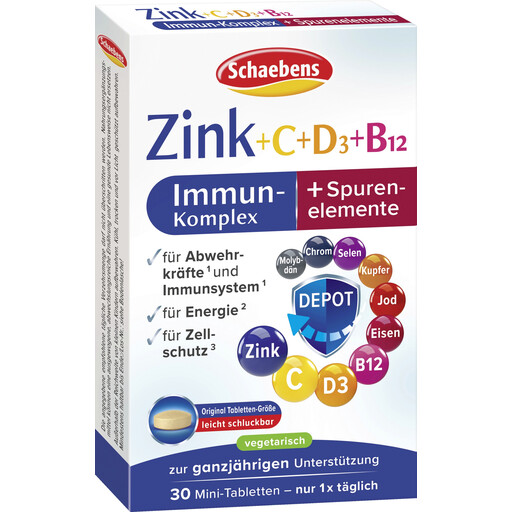
Why this product is a good fit: Ideal for individuals looking for straightforward, daily support for their immune system. The formula is designed for year-round use and reliably covers basic needs.
The product relies on a sensible dosage of 10 mg of zinc (100% NRV) from highly available zinc gluconate, avoiding the 'more is more' trap. It provides a solid foundation without extreme overdosing.
The sustained-release technology ensures a continuous delivery of nutrients. The combination with vitamins C, D3, and B12 offers a comprehensive formula to support the body's defences.
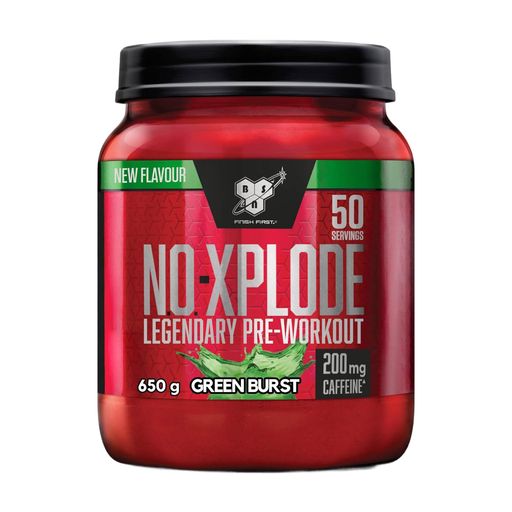
Why this product is a good fit: Specifically developed for athletes who want to support energy, focus, and endurance before a workout. Here, zinc and vitamin C are part of a complex that contributes to the reduction of tiredness and fatigue.
This product is clearly positioned as a pre-workout supplement. It doesn't try to be a simple zinc supplement but offers a targeted formula for a specific use case: enhancing performance during training.
The combination of caffeine (200 mg per serving), amino acids (L-Citrulline, Beta-Alanine), and vitamins C and zinc supports both energy metabolism and focus during intense training sessions.
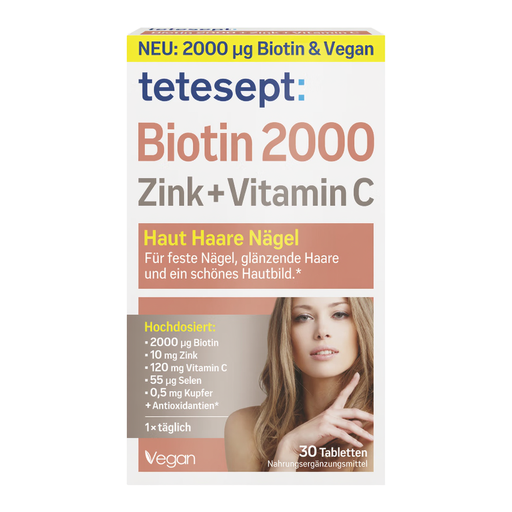
Why this product is a good fit: Perfect for anyone who wants to specifically target zinc for skin, hair, and nails. The formula is explicitly designed for the maintenance of normal skin and hair.
This product isn't a general immune booster; it's a specialist. It avoids the trap of vague promises with a clear nutrient combination focused on beauty from within.
The combination of high-dose biotin (2000 ?g), zinc (10 mg), and vitamin C (120 mg) is synergistic. Zinc contributes to the maintenance of normal skin, hair, and nails, while vitamin C contributes to normal collagen formation for the normal function of the skin.
We have compiled a complete, up-to-date list of products that fully meet these strict selection criteria and quality standards.
Supplementation can be beneficial during times of increased physical or mental stress, during the cold and flu season, or to complement an unbalanced diet in order to strengthen the immune system. Zinc also contributes to the maintenance of normal skin, hair, and nails.
Yes. The safe upper limit for daily zinc intake from all sources is 25 mg for adults. A permanently higher intake can interfere with copper metabolism. Since vitamin C is water-soluble, any excess is usually excreted, but very high doses can lead to gastrointestinal discomfort. Therefore, always adhere to the recommended dosage on the packaging.
Bioavailability is a crucial factor. Organic compounds like zinc citrate, zinc gluconate, or the chelated zinc bisglycinate are generally better absorbed by the body than inorganic forms like zinc oxide. So, it's always worth checking the ingredients list.