
Lieferung heute & morgen

Qualitätsgarantie

Willkommens-Angebote freischalten: KOSTENLOSE Lieferung | Bis zu 80 % RABATT | Kostenlose 30-Tage-JoyPlus-Testphase
App herunterladen
As a Joybuy Product Recommendation Officer, I see every day how overwhelming the market for dietary supplements can be. Especially when it comes to zinc for the immune system, consumers are faced with promotional claims that often create more confusion than clarity. Before you make a decision to strengthen your defences, it's crucial to understand the common pitfalls that can lead to an unsuitable product choice.
Two prevalent problems are:
This guide will help you understand these aspects and make an informed choice when you're looking to buy zinc.
To find a suitable zinc supplement, you shouldn't be guided by marketing terms but rather focus on objective criteria. The following three parameters are crucial.
Bioavailability—the proportion of the nutrient that actually reaches the body—depends heavily on the chemical form of the zinc.
The dosage indicated on the packaging should always be considered in relation to the Nutrient Reference Value (NRV). The NRV indicates what percentage of the recommended daily dose for an average adult is covered by one serving of the product.
The German Nutrition Society (DGE) recommends a daily zinc intake of 7-10 mg for women and 11-16 mg for men, depending on the phytate intake in their diet. Products labelled as "high-dose" often contain 15 mg, 25 mg, or more. Such a dosage is not intended for everyone or for long-term use. It can be beneficial during phases of increased need, such as during intense physical exertion or in the colder season. Always follow the manufacturer's instructions for use.
Many supplements combine zinc and Vitamin C, often supplemented with Vitamin D or selenium. These combinations can work synergistically, as all these nutrients contribute to the normal function of the immune system.
However, check whether you really need the additional nutrients or if you are already getting enough from other sources. Sometimes, a pure zinc supplement is the more appropriate choice.
Instead of making a blanket recommendation, we have matched products to different needs and lifestyles.
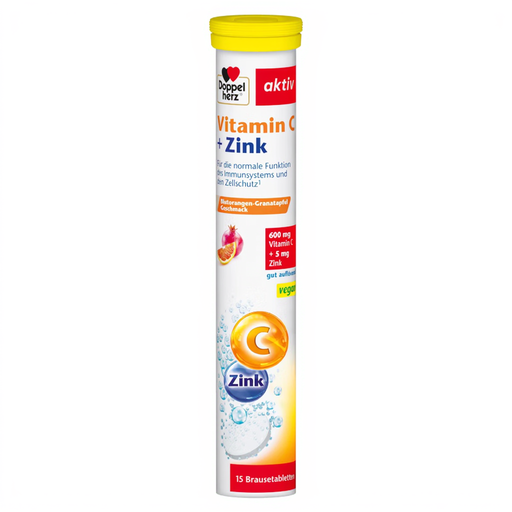
Why This Fits Their Persona: Ideal for those seeking a straightforward and pleasant-tasting supplement for their daily routine, especially to support the immune system during the cold, damp season or times of stress. The effervescent tablet dissolves easily in water.
This product doesn't fall into the 'high-dose' trap. At 5 mg of zinc (50% NRV), it offers a moderate dose for daily supplementation without overloading the body. The combination with Vitamin C is a proven formula.
Easy to take as a drink; contains the proven combination of zinc and Vitamin C; gluten- and lactose-free.
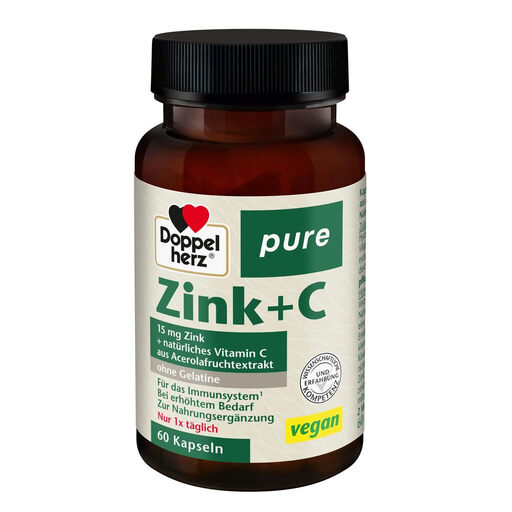
Why This Fits Their Persona: For users who value high-quality ingredients and good bioavailability. The vegetarian capsule shell and the absence of unnecessary additives align with a conscious lifestyle.
This product avoids the trap of an inferior zinc compound. It uses zinc bisglycinate, an organic chelated form known for its excellent absorption. The 15 mg dosage is solid but not excessive.
Contains highly bioavailable zinc bisglycinate; combined with natural Vitamin C from acerola extract; vegetarian capsule.
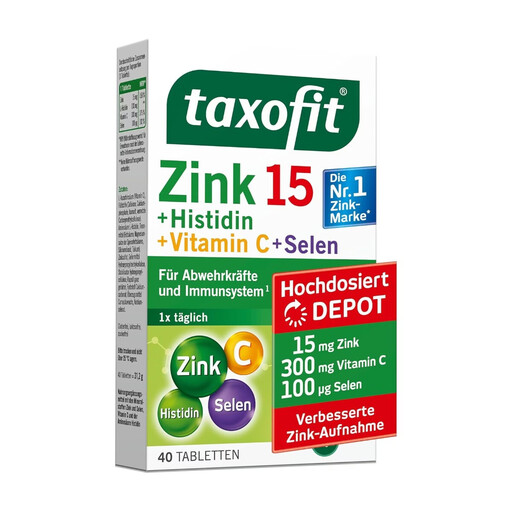
Why This Fits Their Persona: Designed for people with an active lifestyle whose bodies may have increased nutrient demands due to sports and daily stress. The depot technology ensures a time-delayed release of nutrients over several hours.
This product addresses bioavailability by adding histidine, an amino acid that, according to the manufacturer, can improve zinc absorption. The dosage of 15 mg of zinc is tailored to a potentially increased need.
Time-release technology for sustained supply; synergistic formula with histidine, selenium, and Vitamin C; specifically designed for active individuals.
We've compiled a complete, up-to-date list of products that fully meet these strict selection criteria and comply with German regulations.
Supplementation can be considered in cases of a diagnosed deficiency, an increased need (e.g., due to intense sports, or pregnancy after consulting a doctor), or an unbalanced diet (e.g., strict vegetarian/vegan). Many people also turn to zinc supplements during times when the immune system is particularly challenged, such as in the cold season, to strengthen the immune system.
Yes, taking zinc and Vitamin C together is safe and common practice. Both nutrients contribute to the normal function of the immune system and complement each other's effects. Many combination products are designed specifically for this interaction.
Check the ingredients list for organic zinc compounds like zinc citrate, zinc gluconate, or zinc bisglycinate. These are generally better absorbed by the body than inorganic forms like zinc oxide. Choosing the right compound is a key step in ensuring the product you buy serves its purpose.