
Lieferung heute & morgen

Qualitätsgarantie

Willkommens-Angebote freischalten: KOSTENLOSE Lieferung | Bis zu 80 % RABATT | Kostenlose 30-Tage-JoyPlus-Testphase
App herunterladen
Finding the right zinc tablets can quickly become overwhelming. The market is vast, and product claims are diverse. Many users specifically want to strengthen their immune system or correct a nutrient deficiency, but not every supplement is equally suited for every purpose.
As a Joybuy Product Recommendation Officer, I filter the relevant information from the marketing hype for you. Before you make a decision, you should be aware of three common pitfalls that often lead to an unsuitable product choice.
The term "high-dose" suggests a superior effect. In practice, however, excessive zinc intake can interfere with the absorption of other essential minerals like copper. A dosage far exceeding the daily requirement is not advisable for every user and should only be considered for a diagnosed zinc deficiency and after consulting with a doctor.
Not all forms of zinc are equally usable by the body. Products based on inorganic compounds like zinc oxide often have lower bioavailability. This means the body can only absorb a small fraction of the zinc contained. You end up paying for a quantity that is largely excreted unused.
Combining zinc and vitamin C or zinc and selenium can be beneficial, as these nutrients complement each other's functions. However, some products contain only token amounts of the added vitamins or minerals, which make no significant contribution. Other combinations can even be counterproductive if the nutrients compete for absorption in the body.
To make an informed decision, you should check three key parameters. These will help you objectively evaluate a product's quality and suitability.
Bioavailability indicates how well your body can utilize the zinc you ingest. Organic zinc compounds are generally the better choice. Look for the following terms on the ingredients list:
The German Nutrition Society (DGE) recommends a daily zinc intake of 7-10 mg for women and 11-16 mg for men, depending on phytic acid intake from their diet. Products with 15 mg, 20 mg, or 25 mg of zinc are already considered high-dose. Long-term use of such high doses is not necessary for everyone. Check if the dosage aligns with your individual goal—whether it's general immune system support or targeted supplementation for skin and hair.
Zinc supplements come in various forms, each offering its own advantages:
Also, take a look at the list of other ingredients. Unnecessary fillers, artificial colours, or allergens can be avoided.
Based on these objective criteria, we have compiled a selection of products suitable for different needs and user profiles.
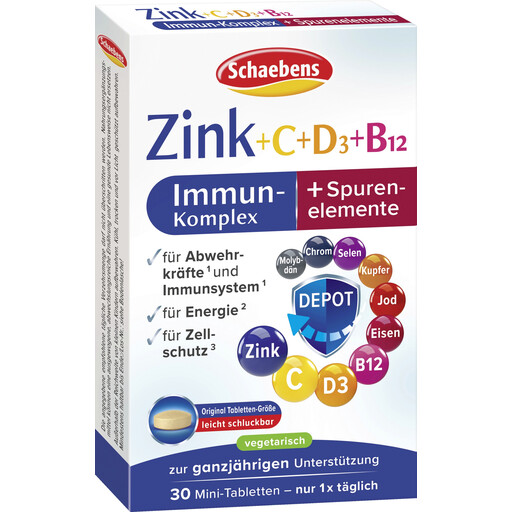
Why This Fits Their Persona: Ideal for users who want to support their immune system year-round with a balanced nutrient complex, without resorting to an extremely high single dose.
This product avoids the unbalanced combination supplement trap by offering a well-conceived mix of zinc, vitamin C, D3, B12, and other trace elements like selenium and copper, which mutually support each other's function for the immune system.
The sustained-release technology ensures a continuous release of nutrients throughout the day. The 10 mg dosage of zinc covers the daily requirement without leading to an overdose.
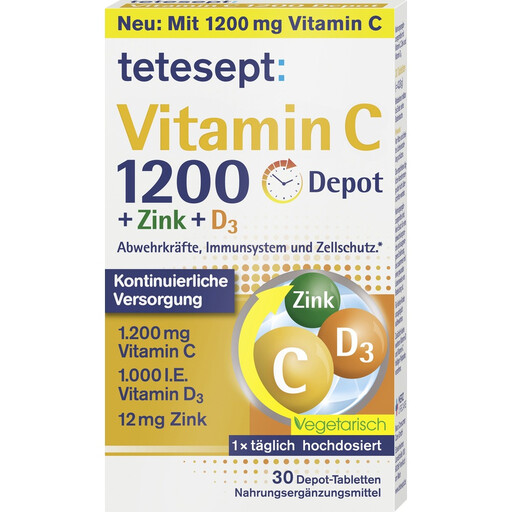
Why This Fits Their Persona: Suitable for individuals who want to provide targeted, high-dose support for their immune system during stressful times, the cold season, or periods of high physical exertion.
This product avoids the "high-dose" trap because while it delivers a high dose of Vitamin C and D3, the zinc amount remains within a sensible range at 12 mg. The combination is designed for synergistic immune system support.
The sustained-release formulation ensures a supply over many hours. The combination of high-dose vitamin C, zinc, and vitamin D3 contributes to the normal function of the immune system.
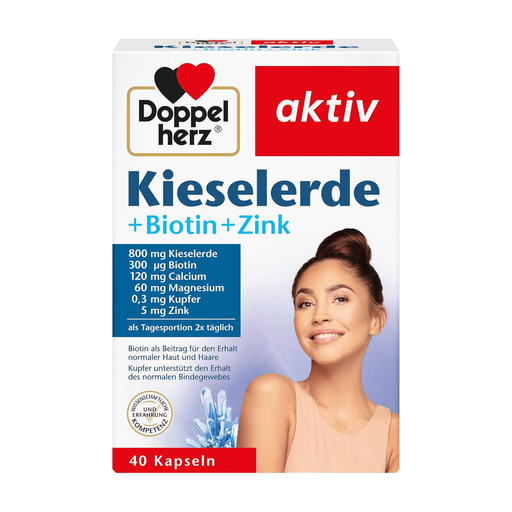
Why This Fits Their Persona: Perfect for users whose main focus is maintaining normal skin, hair, and nails, and who are looking for a targeted nutrient combination for this purpose.
This product is not a non-specific combination supplement. It clearly focuses on nutrients known for their contribution to maintaining normal skin and hair (biotin, zinc) and normal connective tissue (copper).
The formula combines zinc with silica and biotin. Zinc contributes to the maintenance of normal skin, hair, and nails, while biotin contributes to the maintenance of normal skin and hair.
We have compiled a complete, up-to-date list of products that fully meet these strict selection criteria and German regulations.
Supplemental zinc intake can be considered when an increased need is suspected. This may be the case with an unbalanced diet, such as a purely plant-based one, during periods of high physical or mental stress, or for targeted support of the immune system during the cold season. Zinc is also used to help maintain normal skin, hair, and nails.
Yes, taking zinc and vitamin C together is common and considered safe. Both nutrients contribute to the normal function of the immune system and help protect cells from oxidative stress, which is why they are included in many combination supplements.
A "sustained-release" tablet is designed to release its nutrients not all at once, but over an extended period of several hours. This leads to a more consistent supply for the body and can improve tolerability, especially with higher-dose supplements.