
Lieferung heute & morgen

Qualitätsgarantie

Willkommens-Angebote freischalten: KOSTENLOSE Lieferung | Bis zu 80 % RABATT | Kostenlose 30-Tage-JoyPlus-Testphase
App herunterladen
An anti-ageing cream should hydrate, keep skin supple and match your personal skincare goals. The choice ranges from light day creams to rich night creams, including retinol cream or hyaluronic acid cream. However, product names and marketing claims don't always make comparison straightforward.
Terms like "Filler", "Lift" or "Repair" often describe a product line's positioning, not necessarily a proven change to your skin. A face cream for wrinkles can make the skin's surface appear smoother thanks to hydration. However, this is not the same as a permanent reduction in wrinkles.
What really matters is the full INCI list. For dry skin, ingredients such as glycerin, squalane, shea butter or hyaluronic acid can be relevant. Retinoids like retinol, retinal or retinyl propionate, on the other hand, require particularly careful application and sun protection.
An anti-ageing day cream with a stated UV filter can simplify your morning routine. However, the SPF does not automatically replace a separate sunscreen for longer periods outdoors. An anti-ageing night cream is usually richer in formulation and does not need to contain a UV filter.
If you use a cream with retinoids, you should follow the manufacturer's instructions. Your skin may become more sensitive to sunlight. A new wrinkle cream should initially be used sparingly and not at the same time as several other potentially irritating products.
A rich cream can feel pleasant on dry or mature skin, but may feel heavy on oily skin. Conversely, a light texture may not provide enough nourishment for very dry skin. Fragrance ingredients such as parfum, linalool, citronellol or geraniol are present in many formulations and can be relevant for sensitive skin.
Before buying, it is worth checking the product description, usage instructions and the current ingredients list on the packaging.
With a hydrating anti-ageing cream, humectants like glycerin or hyaluronic acid are typical components. Hyaluronic acid can bind water in the upper layer of the skin, helping to create a hydrated feeling. The term "dual" or "multi" describes the forms used or the product's positioning, not automatically a specific depth of effect.
Retinol and related vitamin A compounds should be dosed according to the manufacturer's instructions and gradually introduced into your routine. During pregnancy or with specific skin concerns, it is advisable to seek medical advice before using cosmetics containing vitamin A. Cosmetics do not replace dermatological treatment.
Check whether the cream is indicated for normal, dry, sensitive or all skin types. For the face, neck and décolletage, a sufficient amount of product can be important. With a cream for mature skin, the desired richness and skin feel are also key factors.
A light cream is often better suited under make-up. Rich formulations with shea butter, oils or squalane are more suitable for evening care or for dry skin. These are guidelines, not fixed rules.
A stated UV filter should be assessed based on the actual SPF and product labelling. The NIVEA Vital Soy Protective Day Care, for example, is described with SPF 30. For products without SPF, a separate sunscreen should be used during the day.
For sensitive skin, a patch test on a small area is recommended. If you experience stinging, redness or a rash, stop using the product. Avoid the eye area with the products mentioned, unless the manufacturer states otherwise.
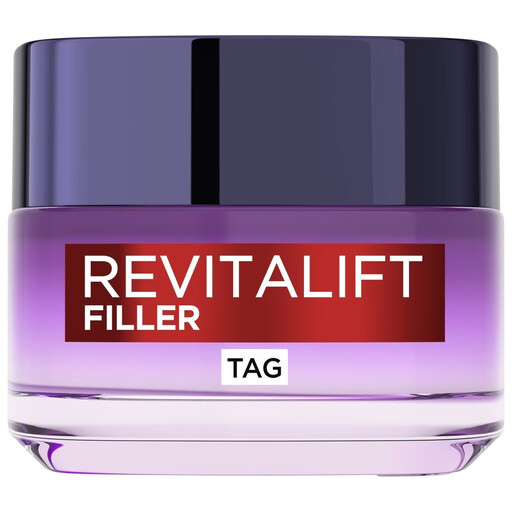
Why this product fits the profile: According to the product information, this day cream contains three forms of hyaluronic acid and is intended for daily use on the face and neck.
The active ingredients are clearly named in the product description, and its use as a morning care product is specified.
50ml pot, light cream texture and a focus on hydration without a stated retinoid active ingredient.
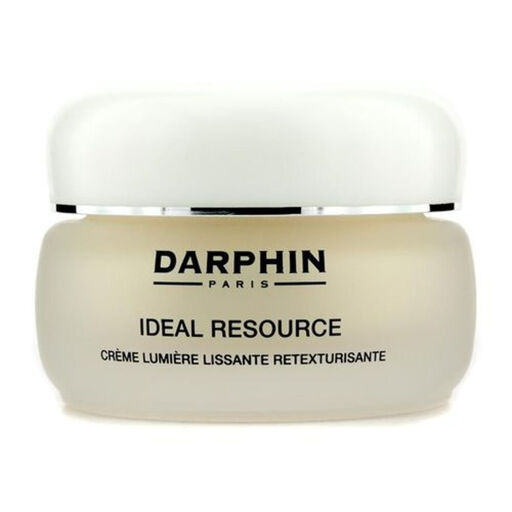
Why this product fits the profile: The product information is aimed at normal to dry skin and lists, among other things, Sodium Hyaluronate and several plant extracts.
The target audience and skin type are clearly defined; if you are sensitive to fragrance, the INCI list should be checked carefully.
Rich texture, suitable for morning and evening use, and designed for normal to dry skin.
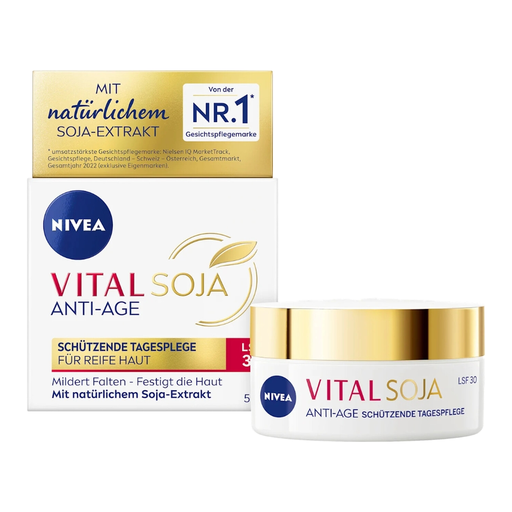
Why this product fits the profile: This day cream is stated to have SPF 30 and is intended for the face, neck and décolletage.
The SPF is clearly stated. For intense UV exposure, separate sun protection planning remains important.
SPF 30, 50ml pot and a richer texture described as suitable for mature skin.
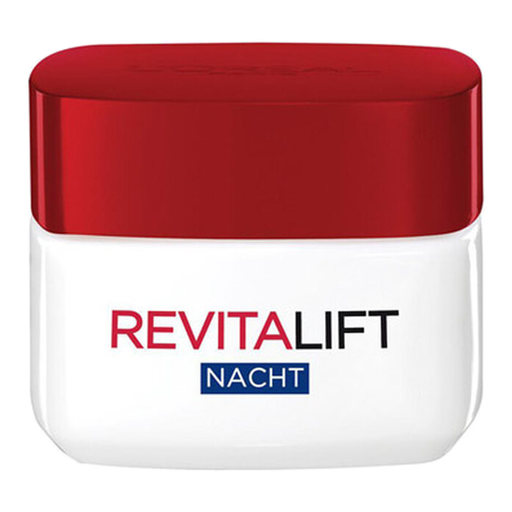
Why this product fits the profile: This night cream lists Pro-Retinol A as an ingredient and is intended for evening use on the face and neck.
Use is clearly limited to the evening. With vitamin A products, frequency, tolerance and daily UV protection should be considered.
50ml night cream with glycerin and Pro-Retinol stated in the product description.
We have put together a complete, regularly updated list of products that fully meet these strict selection criteria and the safety regulations in force in the EU.
That depends on the type of product. A simple day cream or hydrating anti-ageing cream is usually applied to cleansed skin in the morning. A night cream is used in the evening. With retinol or other retinoids, you should first follow the manufacturer's usage recommendation and choose a lower frequency if your skin reacts sensitively.
The pot symbol indicating the shelf life after opening, the best-before date and the instructions on the packaging are decisive. Creams should be stored in a dry, cool place away from direct sunlight. If the smell, colour or consistency changes, the product should no longer be used.
With a day cream that has an SPF, the sun protection factor is stated on the product. For longer periods outdoors, a separate sunscreen can still be advisable, especially if the amount of day cream applied is small. With a retinol cream, daily UV protection is part of a particularly careful skincare routine.