
Lieferung heute & morgen

Qualitätsgarantie

Willkommens-Angebote freischalten: KOSTENLOSE Lieferung | Bis zu 80 % RABATT | Kostenlose 30-Tage-JoyPlus-Testphase
App herunterladen
An anti-ageing night cream should suit your skin, your personal skincare routine and the active ingredient you’re looking for. However, product claims don’t always help you make the right choice. Terms such as “regenerating”, “renewing” or “intensive action” tell you little on their own about concentration, skin compatibility or how to use the product.
Whether you’re looking for an anti-wrinkle night cream, a retinol night cream or a face cream for mature skin, check three things before you buy: the specific active ingredient, how often to use it and what your skin needs.
Retinol, retinal, glycolic acid, niacinamide and peptides all serve different purposes in a cosmetic formula. Simply seeing an ingredient mentioned on the packaging doesn’t tell you how much of it the product contains. For retinol products, for example, a stated concentration such as 0.1% retinol can make it easier for beginners to choose.
Concentration matters in a night cream with glycolic acid, too. According to the product information, MartiDerm Pro-Reg 15 Cream contains 15% glycolic acid (AHA). This is a distinctly active formula, so it won’t automatically suit every skincare routine.
A cream may be described as suitable for all skin types and still contain fragrance, essential oils or potent active ingredients. If your skin is sensitive, dry or prone to redness, it’s worth checking the full INCI list.
Typical ingredients in a moisturising night cream include glycerin, hyaluronic acid, squalane, panthenol and ceramides. However, these ingredients alone don’t tell you whether the product will suit your skin.
Retinol and alpha-hydroxy acids can make your skin more sensitive to the sun. When using products with these ingredients, start gradually and use a suitable sunscreen during the day. If you notice redness, stinging or increased peeling, stop using the product for a while or reduce how often you apply it.
If you have ongoing skin concerns, are receiving dermatological treatment, or are pregnant or breastfeeding, it’s a good idea to seek personalised professional advice.
Dry or mature skin often benefits from a richer cream containing oils, butters or ceramides. A gel-cream may feel more comfortable on combination or oily skin. If you’re prone to clogged pores, look for a lightweight, non-greasy texture and consider your entire skincare routine.
Store retinoids and acid-based products according to the manufacturer’s instructions. Packaging that protects products from air and light can be more practical for everyday use than a wide-open jar. Check the expiry date, batch number and the period-after-opening symbol on the packaging.
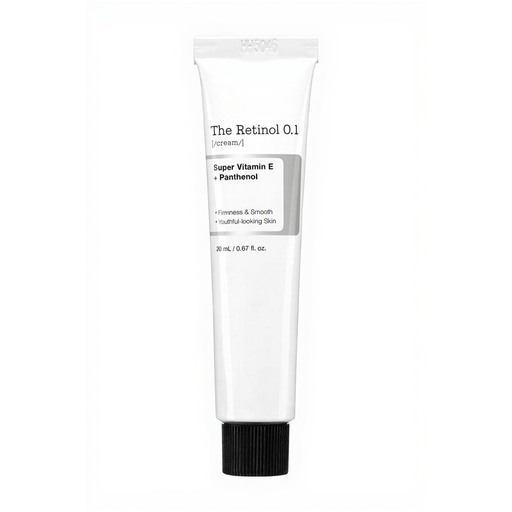
Why this product suits this profile: Its stated retinol concentration of 0.1% and the manufacturer’s recommendation to introduce it gradually make it a straightforward starting point for a retinol night-time skincare routine.
The concentration is clearly stated, so your choice doesn’t have to rely as much on general anti-ageing claims.
0.1% retinol, panthenol, adenosine and several forms of hyaluronic acid, according to the product information.
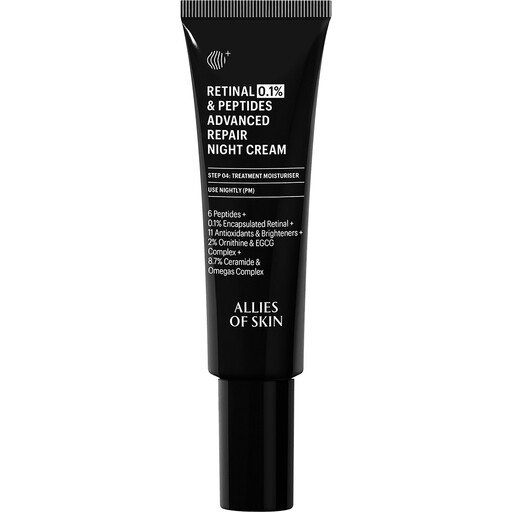
Why this product suits this profile: According to the product description, the formula combines 0.1% retinal with peptides, ceramides and an omega complex for comprehensive night-time skincare.
The key active ingredient groups and recommended dose are clearly listed, along with directions for use.
Retinal, six peptides, ceramides and an omega complex, according to the product information; 48 ml.
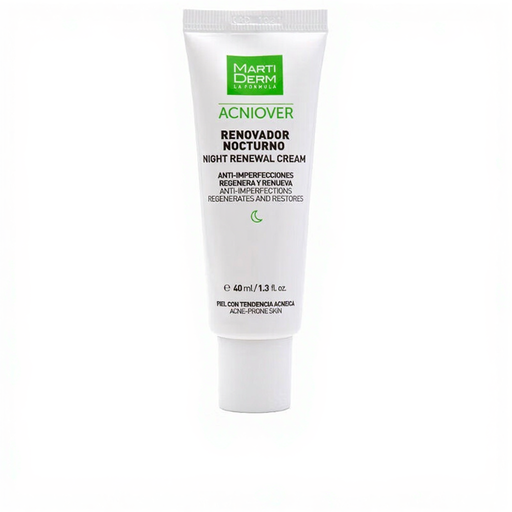
Why this product suits this profile: According to the product description, its combination of glycolic acid, mandelic acid, salicylic acid and niacinamide is aimed at skin prone to blemishes and oiliness.
The acids in the formula are clearly listed, making it easier to judge whether they suit your existing routine and to avoid doubling up.
AHA and BHA acids as well as niacinamide, according to the product description; designed for evening use.
We’ve put together a complete, regularly updated list of products that meet these strict selection criteria and fully comply with the safety regulations in force in the EU.
Overnight skin renewal shouldn’t be thought of as an instant result. What matters is regular use that your skin can tolerate. If you’re using a retinol night cream, it may take several weeks for your skin to adjust. Richer products should also be used sparingly, so they feel comfortable as part of your routine.
A clearly labelled, low-dose retinol formula may be a good choice for beginners. According to the product information, the product contains 0.1% retinol and is designed to be introduced gradually. Before using it regularly, test how your skin reacts on a small area.
Check the expiry date and the open-jar symbol on the packaging. Shelf life depends on the formula, packaging and storage conditions. Store products in a cool, dry place away from direct sunlight.
For many skincare routines, it’s best to use retinol and glycolic acid on separate evenings to begin with. Both groups of active ingredients can put your skin under strain. Introducing them gradually, alongside plenty of moisturising care and daily sunscreen, makes it easier to assess how well your skin tolerates them.