
Lieferung heute & morgen

Qualitätsgarantie

Willkommens-Angebote freischalten: KOSTENLOSE Lieferung | Bis zu 80 % RABATT | Kostenlose 30-Tage-JoyPlus-Testphase
App herunterladen
Fine lines, dry skin and visible crow's feet lead many people to a retinol eye cream. However, a high concentration of active ingredients or a flashy marketing term alone doesn't tell you much about whether an eye care product will suit your skin and daily routine. What really matters are the specific form of vitamin A, the formulation, how you use it, and how well your skin tolerates it.
Retinol and retinal both belong to the vitamin A derivative family, but they are not identical. A retinal eye cream contains retinaldehyde, whereas a classic retinol eye cream uses retinol. Retinyl retinoate is also a distinct compound. So, the names should not simply be taken as an indication of the same active ingredient strength.
A percentage is only meaningful when it's clear what it refers to and which form the active ingredient takes. In encapsulated or liposomal formulations, the declaration can differ from that of free retinol. Always check the INCI list, the usage recommendations and the information on the product packaging.
A dry eye area can make fine lines appear more noticeable. Moisturisers such as glycerin, hyaluronic acid, squalane or shea butter help create a smoother-looking complexion, but they don't replace an assessment of the vitamin A active ingredient. An anti-wrinkle eye cream should therefore offer both the desired active ingredient and a care base that suits your skin.
Look at whether the product contains retinol, retinal or a related form such as retinyl retinoate. A retinol eye serum is usually lighter than a rich cream and may appeal to those who want to apply a separate moisturiser afterwards. A creamy texture is better suited if the eye area tends to be dry.
Additional ingredients can help refine your choice:
The skin around the eyes is thin and can be more sensitive than other areas of the face for some people. Products containing retinol should initially be used sparingly and not every day. A sensible introduction is to apply it two evenings per week. If your skin tolerates it well, you can gradually increase the frequency.
If you have sensitive skin, first do a patch test on a small area of skin. Do not apply to irritated, broken or inflamed skin. Stop using it if you experience burning, redness or a rash. Avoid contact with the eyes.
Vitamin A products should be stored according to the manufacturer's instructions, usually in a cool, dry place away from direct sunlight. Check the batch number, expiry date and period-after-opening symbol on the packaging. Because retinol and retinal can increase the skin's sensitivity to light, a sunscreen should be part of your daytime routine. Also, be sure to follow the manufacturer's guidance, particularly during pregnancy and breastfeeding.
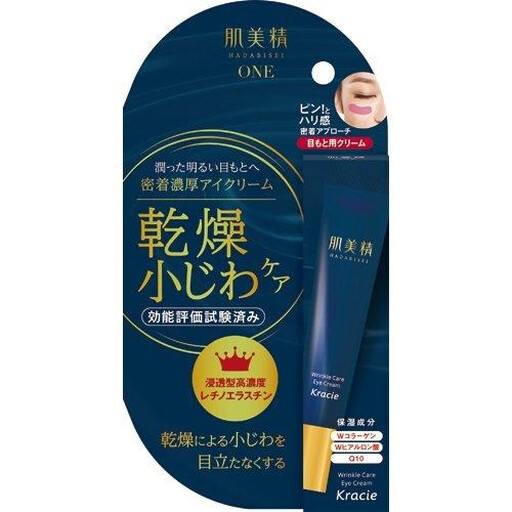
Why this product fits the profile: The compact 15g size and creamy texture make it suitable for anyone looking to add a straightforward retinol eye care product to their existing routine.
The product description lists retinol as well as glycerin and shea butter. This makes the active ingredient and moisturising components clearer to assess than with a purely marketing-driven formula.
Retinol, glycerin and shea butter; usage instructions recommend a small amount along the orbital bone.
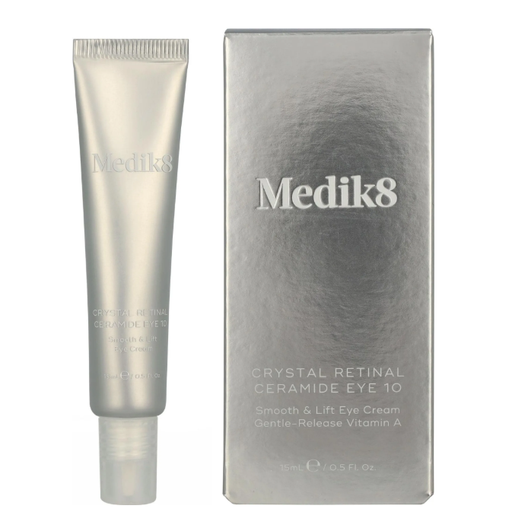
Why this product fits the profile: This night care product combines encapsulated retinaldehyde with ceramides, shea butter, hyaluronic acid and squalane, and is aimed at users with a structured evening routine.
The description recommends a gradual introduction: start with twice a week, then slowly increase according to tolerance.
Retinaldehyde, ceramides, hyaluronic acid and squalane; explicitly described as a night care product with a slow build-up phase.
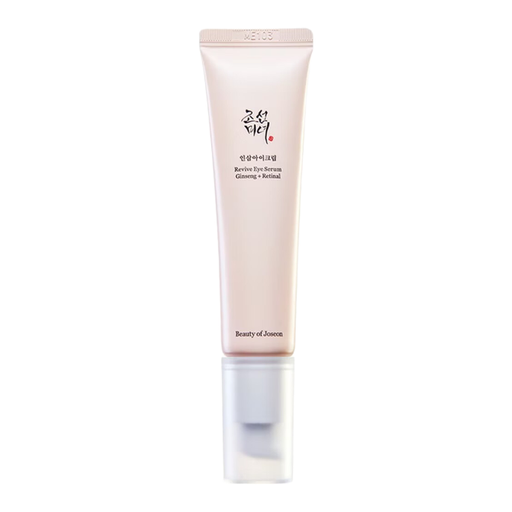
Why this product fits the profile: The 30ml serum suits those who prefer a lightweight Korean eye cream alternative or want a product for both the eye area and the face.
The product information highlights retinaldehyde, ginseng, niacinamide, ceramides and sodium hyaluronate. The full INCI list should be cross-checked with the packaging before purchase.
Retinaldehyde, ginseng extract, niacinamide, ceramides and sodium hyaluronate; 30ml content.
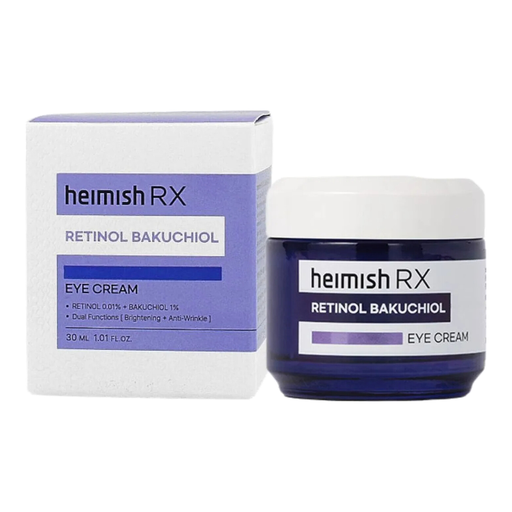
Why this product fits the profile: According to the product description, the formula combines retinol with bakuchiol, niacinamide, hyaluronic acid and nourishing oils. The metal applicator is designed for targeted use.
The stated concentrations of 0.01% retinol, 1% bakuchiol and 5% niacinamide make objective assessment easier. Individual tolerance testing is still necessary.
Retinol 0.01%, bakuchiol 1%, niacinamide 5%, hyaluronic acid and metal applicator according to product information.
We have put together a full, regularly updated list of products that fully meet these strict selection criteria and the safety regulations in force in the EU.
A cautious start with two applications per week makes sense for many retinol beginners. Only increase the frequency if your skin tolerates the product well. The manufacturer's instructions for each product are the key guide.
This depends on the packaging, preservatives and manufacturer's information. Follow the jar symbol for the Period After Opening, the expiry date and the recommended storage conditions. Changes in smell, colour or consistency are signs that you should stop using it.
Retinal and retinol are different vitamin A derivatives. For mature skin, the choice of texture, moisture content and frequency of use can be more important than a single marketing term. If you have sensitive skin, introduce the product very slowly, check the INCI list and seek dermatological advice if irritation persists.