
Lieferung heute & morgen

Qualitätsgarantie

Willkommens-Angebote freischalten: KOSTENLOSE Lieferung | Bis zu 80 % RABATT | Kostenlose 30-Tage-JoyPlus-Testphase
App herunterladen
An anti-ageing cream should suit your skin type, the time of day and your personal skincare routine. Yet bold claims, unclear product information and unsuitable textures often lead to disappointing purchases. If you have dry, sensitive or mature skin, it’s especially worth checking the ingredients list and how the product is intended to be used.
Names such as hyaluronic acid cream, collagen cream, peptide cream or retinol cream simply refer to certain ingredients. They don’t guarantee a particular reduction in wrinkle depth or visible results within a few days. The concentration, overall formula, how well your skin tolerates it and regular use all play a part.
A face cream for wrinkles may also mainly provide hydration, leaving your skin feeling smoother. This is not the same as a medical treatment. Cosmetic products must not be marketed or used as treatments for skin conditions.
A day cream with SPF 30 may contain UVA and UVB filters. However, that doesn’t automatically mean it provides enough protection for every situation outdoors. In strong sunshine or when spending longer periods outside, a separate sunscreen with a higher SPF may be a good choice.
So, when choosing a moisturiser for wrinkles, check whether an SPF is actually stated. An ordinary day cream without stated UV protection is no substitute for sunscreen.
A particularly rich firming face cream may feel comfortable on dry skin, but can feel heavy on oily or blemish-prone skin. Conversely, a light gel cream may not be enough in winter or if your skin is very dry.
If you have sensitive skin, also look out for perfume, essential oils, alcohol and certain preservatives. Always assess a cream described as “gentle” by checking its full INCI list.
For dry or mature skin, ingredients such as glycerin, shea butter, squalane, dimethicone or hyaluronic acid may be worth considering. They can help attract moisture or leave the skin’s surface feeling smoother. If you have sensitive skin, look for a straightforward formula without unnecessary fragrance.
A face cream for mature skin doesn’t automatically need to be very rich. What matters is how it feels on your skin, the time of year and the other products in your routine. A light cream may be more practical in the morning, while a night cream for wrinkles can have a richer formula.
An anti-ageing day cream should spread easily under make-up and, where needed, provide stated UV protection. A night cream can focus more on lipids, comfort and leaving your skin feeling cared for.
Take particular care with retinoids. Introduce a retinol cream gradually at first, for example on a few evenings a week. Stop using it for a while if you experience irritation, redness or stinging. Use a suitable sunscreen as part of your daytime routine.
The INCI list on the packaging is the one to check, as formulas can change. If a product contains vitamin A, retinol or retinyl palmitate, follow the manufacturer’s instructions. If you’re pregnant or breastfeeding, speak to a healthcare professional about using cosmetics containing vitamin A.
A hygienic pump dispenser can make the cream easier to dispense and reduce direct contact with the product. If it comes in a jar, use clean hands to take out the cream. Also check the expiry date, batch number and period after opening.
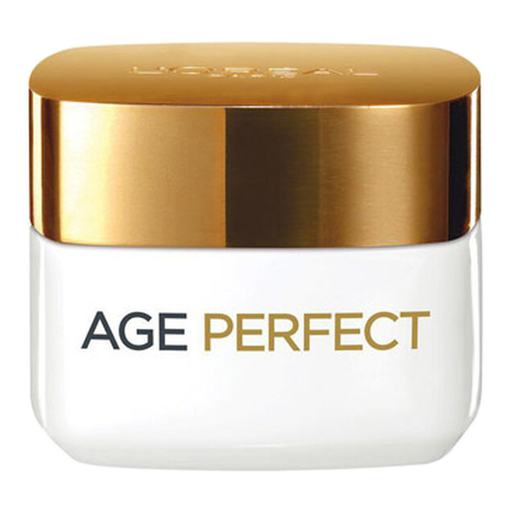
Why this product suits this profile: This day cream is designed for a straightforward morning skincare routine, with a focus on daily hydration and leaving skin feeling smooth.
The product description specifies daily use and a light texture, without suggesting that it contains built-in sun protection. You can therefore choose to add a separate UV protector.
50ml jar, morning use, and stated benefits for hydration and smoother-feeling skin.
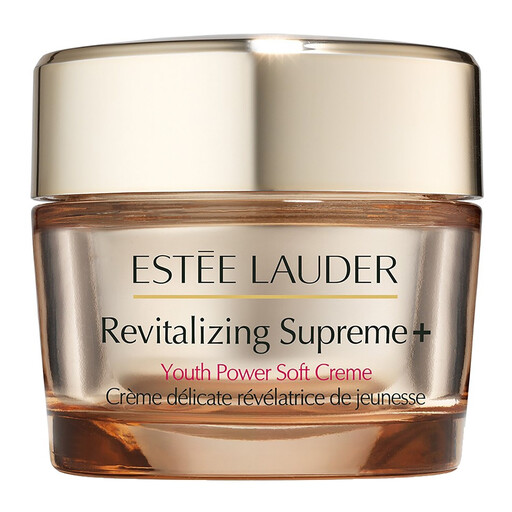
Why this product suits this profile: The lightweight soft-cream texture may appeal if you’re looking for a face and neck moisturiser that absorbs quickly.
The product information specifically highlights its light consistency and says it can be used morning and evening. This makes it easier to assess compared with very rich creams.
50ml, sodium hyaluronate in the INCI list and a soft-cream texture described as suitable for daily skincare.
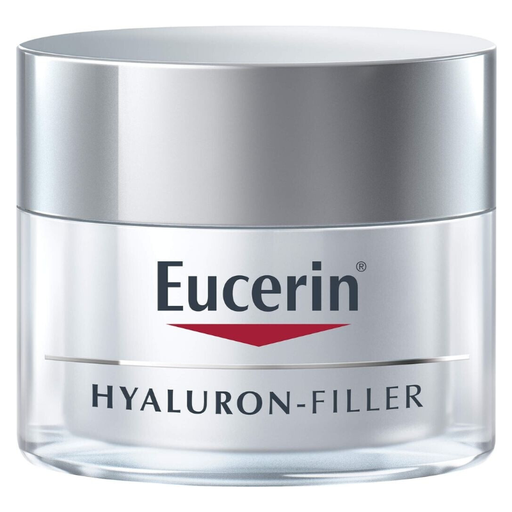
Why this product suits this profile: Combining daytime skincare with stated SPF 30 may suit anyone looking to use fewer separate products in the morning.
The SPF is clearly stated. The product information also advises using a separate SPF 50+ in strong sunshine.
SPF 30, hyaluronic acid and 50ml; according to the product information, it’s suitable for use under make-up.
We’ve put together a complete, regularly updated list of products that meet these strict selection criteria and fully comply with the safety regulations in force in the EU.
Don’t apply too much lifting cream or collagen cream. A small amount is usually enough to cover your face and neck evenly. If you’re using a retinol night cream, it’s better to start gradually than to apply it every night from the outset.
Straightforward formulas with humectants and skin-conditioning lipids may be a good choice. Check the INCI list for fragrance, alcohol and any ingredients you know trigger a reaction. The label cream for dry and sensitive skin is no substitute for checking how your skin tolerates the product.
Use cosmetic skincare products regularly and follow the manufacturer’s instructions. You may notice changes in how your skin feels sooner, while visible cosmetic effects can vary. Stop using the product if you experience a reaction.
No. However, a night cream may have a different texture or focus. If you prefer a light hyaluronic acid cream in the morning and a richer moisturiser in the evening, you can tailor your routine to how your skin feels and the time of year. What matters is choosing a formula that suits your skin, using it regularly and applying suitable sun protection during the day.