
Lieferung heute & morgen

Qualitätsgarantie

Willkommens-Angebote freischalten: KOSTENLOSE Lieferung | Bis zu 80 % RABATT | Kostenlose 30-Tage-JoyPlus-Testphase
App herunterladen
Asian bean paste isn't all the same. Depending on the country of origin, type of bean, fermentation time and seasoning, it can taste sweet, salty, spicy, smoky or distinctly umami. If you're shopping for wok dishes, noodles, marinades or desserts, you shouldn't just look at the brand name and jar size.
Three common buying mistakes often lead to the wrong purchase:
Chinese bean paste is typically made from soya beans, wheat flour, salt and water. It can be used as a seasoning paste for wok dishes, noodles, marinades or for dipping. Sweet bean paste is traditionally served with Peking duck, spring pancakes or fried noodles.
Doubanjiang generally refers to a fermented paste made from beans and chilli. Varieties from Pixian in particular are intended for Sichuan dishes such as Mapo Tofu, spicy beef or braised dishes. The term 'chilli bean paste' indicates its spicy nature.
Doenjang is a Korean soya bean paste with a strong, salty and fermented flavour. It is mainly used for soups, stews and marinades.
Ssamjang is a seasoned soya bean paste typically served with grilled meat, vegetables or lettuce wraps. Depending on the product, it may contain chilli products, garlic, sugar or sesame.
Chunjang is a dark black bean paste for Jjajangmyeon and Jjajangbap. Before further preparation, it is often briefly stir-fried in oil to develop the flavour and reduce any bitter notes.
A sweet bean paste made from red azuki beans is an ingredient for Japanese sweets. The smooth variety is often called Koshian and is used for Dorayaki, Taiyaki, Mochi or Anmitsu. It cannot be swapped for a savoury Asian seasoning paste.
Before buying, it's worth looking at the ingredients in descending order. Relevant details include:
Many products contain soya and wheat. If you have allergies or coeliac disease, check the label and any trace warnings carefully. Recipes can change, so the product packaging is the definitive guide.
Nutritional information per 100g makes comparison easier. Some of the seasoning pastes listed contain more than 10g of salt per 100g, whereas sweet red bean pastes have only low salt levels. That doesn't mean a product is unsuitable – a concentrated paste is often used only by the teaspoon.
With Doubanjiang and other spicy bean pastes, also pay attention to the type of chilli and oil content. For sensitive diners or mild dishes, a non-spicy soya bean paste may be the better choice.
For occasional cooking, 150 to 368g is practical. Larger containers of 500 to 800g are better value for regular use or in a professional kitchen. After opening, many products need to be stored in the fridge. Some pastes should be used within a few days or weeks.
Using a clean spoon reduces the risk of contamination. With oil-based Pixian paste, after removing some, cover the surface again with oil and seal the container tightly, if the manufacturer advises this.
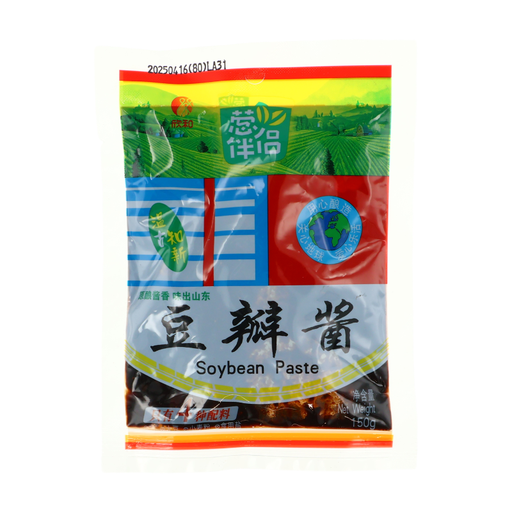
Why this product suits the profile: The small 150g pack is ideal if you want to try Chinese soya bean paste in smaller quantities first.
The manageable amount limits the risk of having to store a large jar with an unsuitable flavour for a long time.
150g content, fermented soya bean paste, suitable for wok dishes, braised dishes and dips.
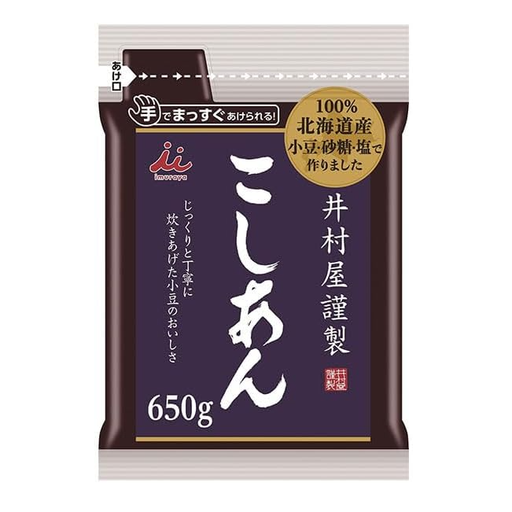
Why this product suits the profile: If you want to prepare Japanese sweets with a smooth filling, this is a clearly labelled Koshian variety.
The description as a smooth red bean paste clearly distinguishes it from savoury seasoning pastes for wok dishes.
650g content, 60% red beans according to the product information, for use in Dorayaki, Taiyaki, Mochi and other sweets.
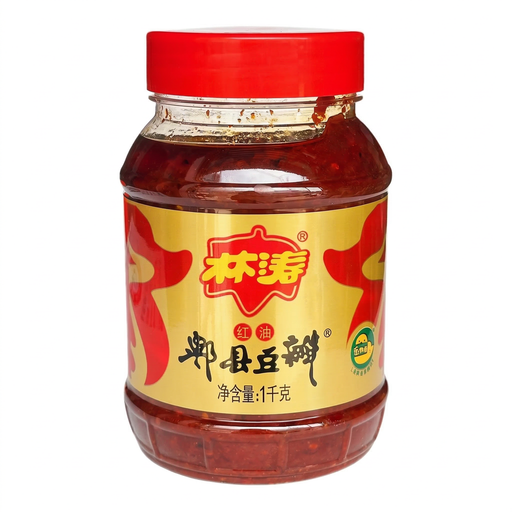
Why this product suits the profile: The 750g pack is aimed at households with regular demand and professional kitchens that frequently cook Sichuan dishes.
The product description explicitly mentions broad beans, chilli and wheat flour, preventing confusion with mild soya bean paste.
For Mapo Tofu, Twice-Cooked Pork, braised dishes and hot-pot bases; store in a cool place after opening.
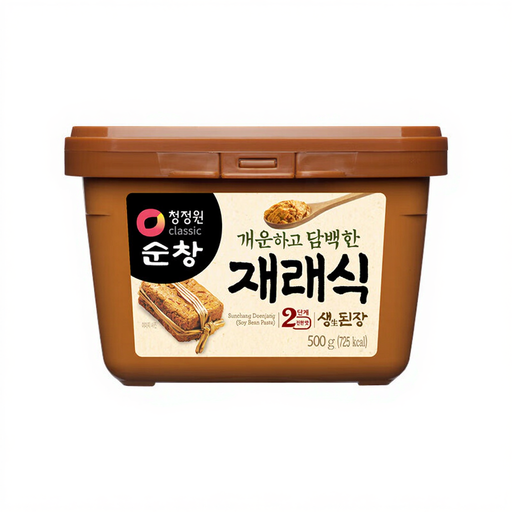
Why this product suits the profile: The 500g pack is designed for regular kitchen use in Korean soups, stews and marinades.
The clear labelling as Doenjang helps you avoid confusing this paste with Chunjang for Jjajangmyeon or Ssamjang for dipping.
Contains soya beans, wheat, fermented soya beans and koji according to the product information; suitable for soups, stews and marinades.
We've put together a full, regularly updated list of products that fully meet these strict selection criteria and the safety regulations in force in the EU.
For many savoury varieties, start with half to one tablespoon for a wok dish. Chilli bean paste often develops its flavour better if briefly stir-fried in oil with garlic, ginger or spring onions. A short stir-fry is also recommended for Chunjang. Then add vegetables, tofu, meat or liquid.
Sweet red bean paste can be used directly as a filling. For the Imuraya paste, the product information also suggests a mixing ratio of 1:1 with water if a thinner consistency is needed.
After opening, follow the instructions on the label. Whether it needs refrigeration, the use-by period and the best-before date vary by product. Do not use a container that is bloated or damaged.
A spicy Doubanjiang or chilli bean paste is typically used for this. It usually contains chilli and broad beans or soya beans. A mild soya bean paste will significantly change the dish and won't provide the same heat.
This depends on the variety and manufacturer. Many fermented pastes need to be refrigerated after opening and used within a certain period. The specific date on the packaging is definitive. Using a clean spoon and keeping the container well sealed helps maintain product quality.
No. Sweet bean paste is often made from red beans and sugar and used for desserts. Soya bean paste is typically savoury and serves as an Asian seasoning paste for soups, dips, marinades or wok dishes.