
Lieferung heute & morgen

Qualitätsgarantie

Willkommens-Angebote freischalten: KOSTENLOSE Lieferung | Bis zu 80 % RABATT | Kostenlose 30-Tage-JoyPlus-Testphase
App herunterladen
Grabbing a bag of Asian dumplings from the freezer aisle promises a quick and delicious meal. But all too often, disappointment follows: the dough is too thick, the filling is sparse, or the flavour is a far cry from what the packaging promised. Before you next buy gyoza or order jiaozi online, you should know the common pitfalls that lead to an unsatisfying experience. As your Joybuy Product Recommendation Officer, I'm here to help you separate the wheat from the chaff and find products that deliver on their promises.
The market for frozen dumplings is vast, but quality varies dramatically. Many products use marketing terms that obscure more than they clarify. Here are two common problems to watch out for:
To avoid these pitfalls, you should focus on verifiable facts. Two parameters are crucial here:
A look at the ingredients list is essential. Manufacturers are required to state the percentages of the main ingredients that give the product its name. Look for clear declarations like "Beef 23%" or "Prawns 21%." A high percentage of the main ingredient is often an indicator of a higher-quality product. For dumplings with beef filling, beef should be at the top of the ingredients list, not water or wheat flour.
A short, understandable ingredients list is often a good sign. Products that rely on a long list of flavour enhancers (e.g., E621, E635), stabilisers, and artificial flavourings may be trying to compensate for a lower-quality filling. This is especially true for vegetarian gyoza and vegan dumplings, where the flavour depends heavily on the quality of the vegetables and spices used.
Based on these objective criteria, we have selected a few products from our range that cater to different preferences and requirements.
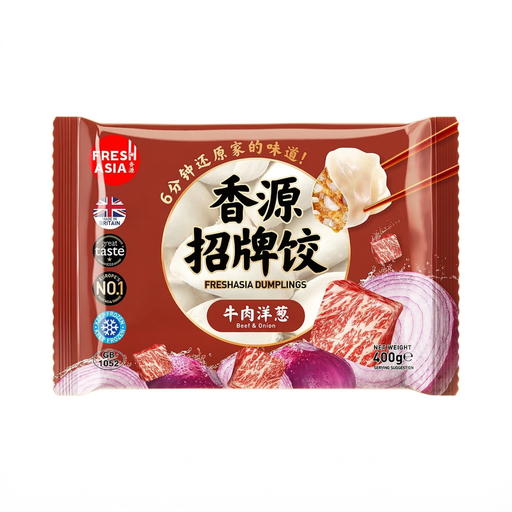
Why This Fits Their Persona: Ideal for those who want a straightforward yet robust and juicy dumpling with a traditional beef and onion filling. A classic product for a quick and satisfying meal.
The product clearly declares a beef content of 23% and an onion content of 11%. This avoids the skimpy filling trap and provides transparency about the contents.
High meat content for a juicy bite; traditional recipe suitable for boiling, steaming, or pan-frying.
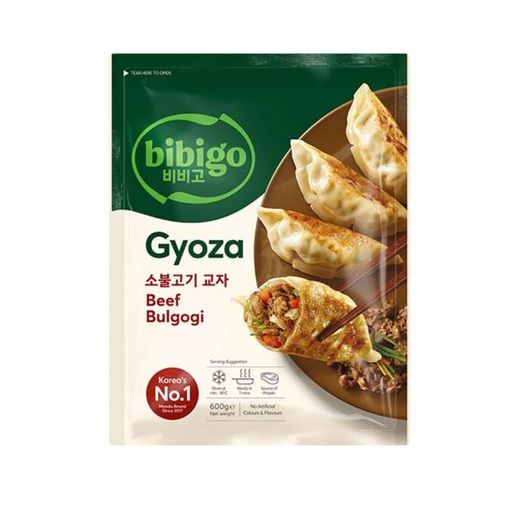
Why This Fits Their Persona: Perfect for anyone who loves the specific sweet and savoury flavour of Korean bulgogi. The Bibigo Gyoza brand is known for its Korean-inspired products and delivers a distinct flavour profile here.
This product bypasses the "authenticity" myth by naming a specific, well-known Korean dish (Bulgogi) as its flavour base, rather than promoting a vague "Asian" taste.
Distinct Korean flavour profile; the beef content of 19% is solid. Ideal for pan-frying to achieve a crispy texture.
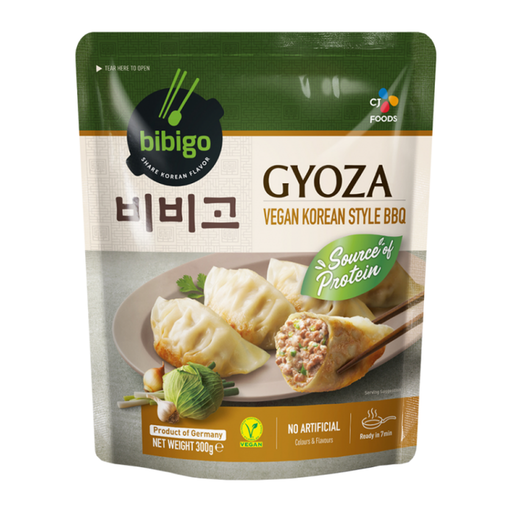
Why This Fits Their Persona: For those on a plant-based diet who refuse to compromise on an intense flavour experience. These vegan dumplings offer a powerful BBQ aroma without any animal products.
Instead of an undefined "vegetable filling," this product focuses on a clear flavour concept (Korean BBQ). The ingredients list is transparent and designed for a plant-based recipe without skimping on taste.
Fully plant-based with high protein content (11.3g per 100g) from wheat gluten and chickpea powder; bold, smoky flavour.
We have compiled a complete, up-to-date list of products that fully meet these strict selection criteria and German regulations.
There are three common methods, recommended depending on the type of dumpling:
Although the terms are often used interchangeably, there are subtle differences:
Modern vegetarian gyoza and vegan dumplings don't have to hide in terms of flavour. Instead of meat, high-quality products use ingredients like tofu, mushrooms, glass noodles, and robustly seasoned vegetables to create a complex texture and a deep umami flavour. Products like the vegan Bibigo Korean BBQ Gyoza show that a very satisfying taste experience is possible without meat through targeted seasoning.