
Lieferung heute & morgen

Qualitätsgarantie

Willkommens-Angebote freischalten: KOSTENLOSE Lieferung | Bis zu 80 % RABATT | Kostenlose 30-Tage-JoyPlus-Testphase
App herunterladen
An Asian fish snack can be a convenient between-meals treat, a side dish with rice or an accompaniment to drinks. However, marinated anchovies, dried anchovies, spicy squid strips and sweet-and-spicy products can differ considerably in their ingredients, nutritional values and serving sizes. If you only look for terms such as “high protein” or “Deep Sea”, it is easy to overlook important details.
Three common buying pitfalls are particularly relevant:
“Small fish” is not a precise ingredient description. The packaging should make clear whether the product contains, for example, anchovies, lizard fish or a mixture of fish and surimi. The stated fish content is also relevant.
Several Jin Zai products state an anchovy content of around 69 to 78 per cent. Taro Hot Chilli Fish Snack contains 80 per cent fish meat. Bento products, on the other hand, consist partly of 40 per cent squid and 30 per cent surimi. This means that the texture, seasoning and potential allergens can differ significantly.
An anchovy snack is generally more compact and firm. A product containing surimi or squid may be softer or shaped into strips. For a classic mini fish snack or a side dish, the fish species is therefore more important than a striking flavour name.
A high-protein snack is not automatically low in fat or salt. Values per 100 g allow for a fair comparison, while the serving size shows what you consume from a single bag.
Examples from the selection:
These values cannot be compared directly, as recipes and serving sizes vary. A Bento bag contains 20 g; its product information corresponds to approximately 69 kcal and 5.2 g protein per pack. With Jin Zai’s 12 g bags, the individual serving is correspondingly smaller. If you snack regularly, you should also consider the salt content and read the nutritional table on the specific pack.
An individually wrapped snack is suitable for the office, lunchbox, travel or a bento box, as unopened portions are easy to transport. Once opened, the contents should be eaten promptly according to the packaging instructions, as exposure to humidity can affect the texture and aroma.
The products mentioned contain the following allergens, among others:
The wording on the product packaging is definitive. Allergens may vary even between similar varieties from the same brand. Storage instructions generally specify a cool, dry place away from direct sunlight.
The following products differ in serving size, fish species and seasoning. This makes it easier to choose a suitable spicy fish snack, hot fish snack or variety to serve as a side dish.
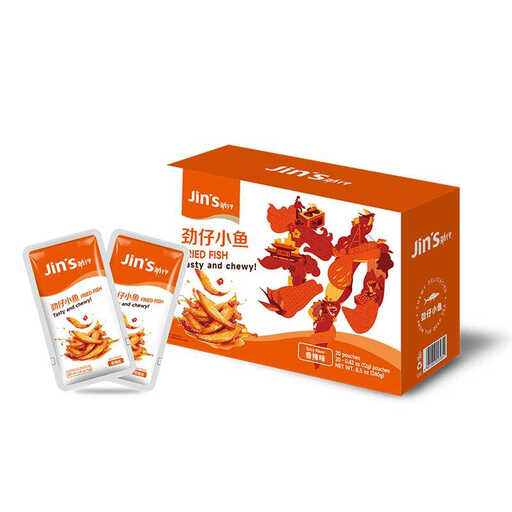
Why this product suits the profile: The pack contains 20 individually wrapped 12 g portions, making it easy to portion for a lunchbox, the workplace or eating on the go.
The serving size is clearly stated; the product also specifies 69 per cent anchovies and 28.5 g protein per 100 g.
20 individual sachets, a total weight of 240 g and a recipe with chilli and spices.
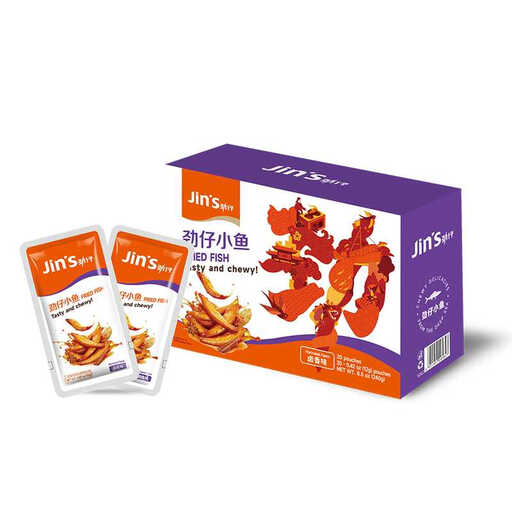
Why this product suits the profile: The product information states 69 per cent wild-caught anchovies, seasoned with chilli, soy sauce and spices.
The fish content and nutritional values are clearly stated. The salt content of 2.2 g per 100 g should be taken into account when planning portions.
A 240 g pack with 20 portions, 31.8 g protein per 100 g and suitable for eating as a snack or side dish.
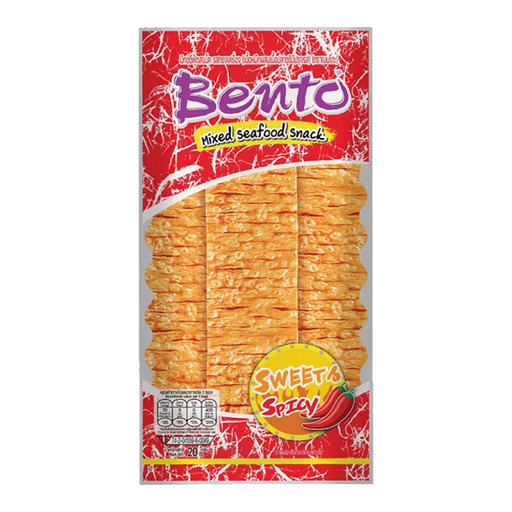
Why this product suits the profile: This small Thai pack is ideal for eating on the go or as a crunchy, savoury addition to salads and noodle dishes.
The serving size is 20 g, making the stated 69 kcal per serving easier to assess than values given solely per 100 g.
26 g protein per 100 g, sweet-and-spicy seasoning and ingredients including squid and surimi.
We have compiled a complete, regularly updated list of products that fully meet these strict selection criteria and the safety regulations applicable in the EU.
The product names provide a useful initial guide:
The level of heat should be assessed individually for younger people. “Spicy” is not a standardised indication of intensity. If you are sensitive to chilli, it is best to start with a small portion and check the ingredients list first.
The best-before date is shown on the relevant packaging. Unopened products should be stored in a dry, cool place away from direct sunlight. Opened individual sachets should be consumed promptly in accordance with the consumption instructions, as moisture can alter the texture.
No. The protein content depends on the fish species, fish content and recipe. For example, the products mentioned contain between 22 and 31.8 g protein per 100 g. Ingredients such as sugar, flour, tapioca starch or surimi affect the nutritional profile. The complete nutritional table is therefore what matters.
Yes. Many varieties are ready to eat and can be served with rice, noodles, congee or salads. Very strongly seasoned products should be used sparingly, as chilli and salt can dominate the flavour of the entire dish. If you have allergies, check the labelling for fish, soya, gluten, egg, sesame and any other declared allergens.