
Lieferung heute & morgen

Qualitätsgarantie

Willkommens-Angebote freischalten: KOSTENLOSE Lieferung | Bis zu 80 % RABATT | Kostenlose 30-Tage-JoyPlus-Testphase
App herunterladen
Asian instant soups have become an indispensable part of modern life. Whether at the office, working from home, or during long study days, they promise a quick, warming, and flavorful meal. However, the market is confusing, and not every product lives up to the promise of its colorful packaging. Many consumers choose products that later turn out to be sugary calorie bombs or flavor disappointments.
As a Joybuy Product Recommendation Officer, I see it as my duty to provide you with objective criteria to help you make an informed choice. This guide highlights the most common pitfalls and what you need to look out for to find the perfect instant noodle soup for your needs.
To avoid a bad purchase, you should check three central aspects. These will help you objectively evaluate the quality of an Asian instant soup.
The noodle base is crucial for calorie content and texture.
The broth is the heart and soul of every soup. Its composition determines the authenticity of the flavor.
Take a critical look at the label. Pay attention to the sodium content—many products cover a large portion of the recommended daily intake in just one serving. If you are looking for vegan instant noodles, check the ingredient list carefully for animal-based components like pork bone extract (typical for Tonkotsu ramen), chicken fat, or egg powder.
Here are some recommendations tailored to different needs and flavor profiles.
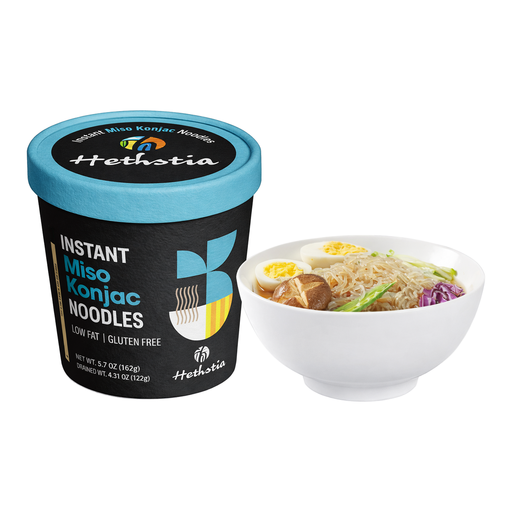
Why This Fits Their Persona: Ideal for a quick and light lunch break at the office. The konjac noodles are virtually calorie-free and fit perfectly into a low-carb or keto diet without having to sacrifice the enjoyment of a warm soup.
This product consistently bypasses the calorie trap. According to the manufacturer, one serving has only 25 kcal. The base is an authentic miso paste, not an artificial powder.
Extremely low-calorie and suitable for keto diets. The product is also vegan and Halal-certified.
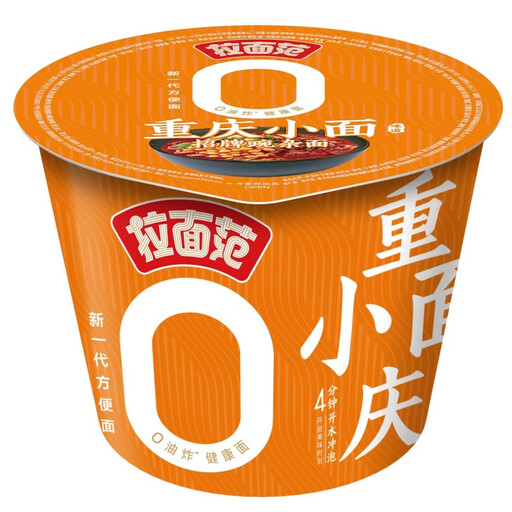
Why This Fits Their Persona: Perfect for anyone seeking the authentic, spicy-numbing flavor of Sichuan cuisine. This Chinese noodle soup offers a complex taste experience that goes far beyond standard instant noodles.
Instead of a generic flavor promise, this product delivers an authentic, regional profile with a multi-layered seasoning paste of chili, sesame, and Sichuan pepper, plus a separate pea topping. The noodles are non-fried.
Authentic Chongqing flavor profile; non-fried noodles for a pleasant texture; separate toppings for more variety.
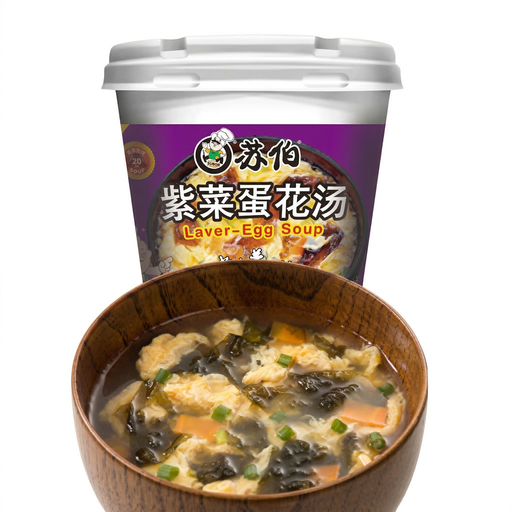
Why This Fits Their Persona: When you don't want a full meal, just a warm, savory snack. This instant cup soup is noodle-free, extremely light, and ready in under a minute—ideal for a short break.
This product is honest in its positioning. It's not a heavy noodle soup, but a light egg drop soup. It avoids the trap of a misleading portion size and is exactly what it promises: a quick, uncomplicated snack.
Extremely fast preparation (just add hot water); very light and low-calorie; classic, mild flavor.
We have compiled a complete, up-to-date list of products that fully meet these strict selection criteria and local regulations.
A simple way is to add fresh ingredients. A splash of soy sauce, a bit of sesame oil, fresh spring onions, a soft-boiled egg, or a handful of spinach can quickly elevate a simple instant noodle soup and turn it into a more balanced meal. Leftover roasted chicken or tofu also work well.
For certain dietary goals, they are an excellent choice. Konjac noodles, also known as shirataki noodles, are ideal for anyone looking for low-calorie ready meals or keto noodles, as they contain virtually no calories or carbohydrates. Their texture is firmer and somewhat gelatinous compared to wheat noodles, which is a matter of personal taste.
Check the ingredient list very carefully. Look out for broths based on pork (Tonkotsu), chicken, beef, or fish. Milk powder, egg powder, or shrimp paste are also common non-vegan ingredients. Many miso- or vegetable-based soups are plant-based, but it's always wise to double-check. Products explicitly labeled as vegan instant noodles offer the most certainty.