
Same-day & Next-day Delivery

Quality Guaranteed

Unlock Your Welcome Offers: FREE Delivery | Up to 80% OFF | Free 30-day JoyPlus trial
Download the APP
An Asian soup base can make preparing ramen, pho, hot pot or kimchi soup much easier. Instead of simmering stock for several hours, simply dilute a concentrate, powder or paste with water, then add noodles, vegetables, tofu, meat or seafood.
However, choosing the right product is not just a matter of taste. Packaging often uses terms such as “authentic”, “creamy” or “intense”, even though products can differ considerably in their ingredients, salt content, yield and allergens. Checking these points before buying helps you avoid unsuitable purchases and find a soup base that fits your everyday cooking routine.
A paste or concentrate is generally not intended to be consumed directly. The required amount of water varies considerably from one product to another. For example, DAISHO Hot Pot Soup Base Ippudo Tonkotsu Style recommends a ratio of 1 part paste to 5 parts water. Marutomo EU Ramen Soup Tonkotsu is diluted for ramen at a ratio of 1:5 to 1:6.
Ignoring the recommended dosage can quickly result in a broth that is too salty or lacks balance. Before buying, check that the preparation instructions on the packaging match the portion size you have in mind.
A ramen soup base may be made with soy sauce, kombu, shiitake and bonito flakes. A tonkotsu soup base, on the other hand, may contain pork bone extract, miso or additional flavourings. With a Japanese dashi broth, fish, kombu and other dried ingredients often play a central role.
There are also differences between tom yum pastes: ingredients such as lemongrass, galangal, lime, shrimp paste and fish sauce define the flavour profile. A quick look at the ingredients list helps you assess the expected taste more accurately.
Asian soup bases often contain soya, wheat, fish, crustaceans or sesame. Ingredients vary by product and should be checked directly on the label if you have allergies or intolerances. Concentrated products also often contain a high level of salt. This does not necessarily make a product unsuitable, but you should take the dosage and the other ingredients in the dish into account accordingly.
Do not compare pack weight alone. What matters is how much finished broth the product makes. According to the product information, an 80-g paste may be enough for around 1.5 to 2 litres of broth, while other products are portioned for a single meal.
Ramen or dashi products are ideal for Japanese noodle dishes. A kimchi soup base works well with Korean stews, tofu, noodles and vegetables. A hot pot soup base is designed for longer simmering with several ingredients. A pho soup paste often contains spices such as star anise, cinnamon, coriander seeds and cardamom.
Also check whether the base is mild, spicy, sour, creamy or smoky. With highly concentrated products, you can adjust the flavour by adding more water, unsalted stock or extra ingredients.
Country of origin is a useful point of reference, but it is not the only indication of quality. The products below, for example, list Japan, China, Thailand or European manufacturers as their origin. The specific ingredients list, preparation instructions and storage information are more important when making your choice.
Many liquid products and pastes must be refrigerated after opening and used within a suitable period. Powders and tablets are usually stored in a cool, dry place away from light. Always follow the information on the packaging.
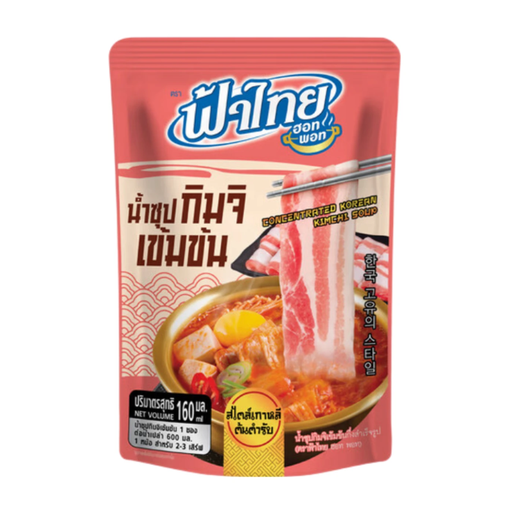
Why this product suits this profile: The portion is intended for 600 ml of water, making it ideal for a straightforward individual meal with Korean-inspired flavours.
The specified amount of water makes measuring easier. Allergens such as wheat, fish and soya are listed in the product description.
Liquid concentrate, 160 ml contents and preparation in just a few steps.
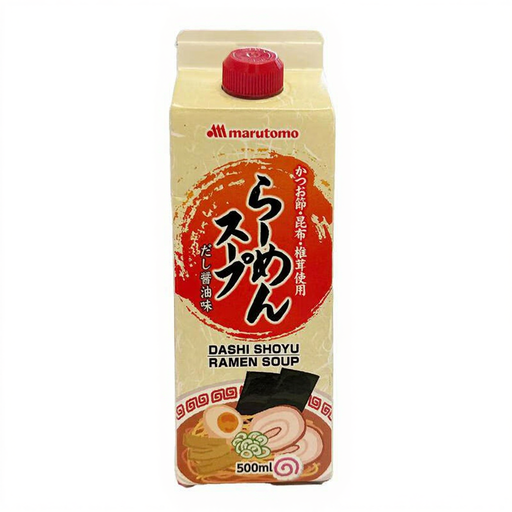
Why this product suits this profile: The recipe lists soy sauce, smoked bonito, kombu and dried shiitake mushrooms, making it a good choice for shoppers looking for a clearly defined Japanese umami profile.
The product description clearly identifies key ingredients and allergens such as soya, wheat and fish.
500-ml bottle; according to the product information, it can also be used for noodles, soups, stir-fries and hot pot.
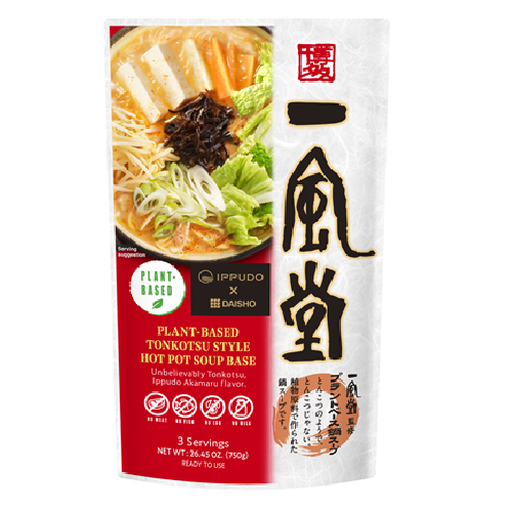
Why this product suits this profile: The 750-g pack is designed for shared hot-pot meals with meat, vegetables, tofu and noodles.
The stated 1:5 mixing ratio provides a clear basis for measuring. Refrigeration is required after opening.
Large pack, tonkotsu style and clearly listed ingredients such as pork bone extract, soy sauce and miso.
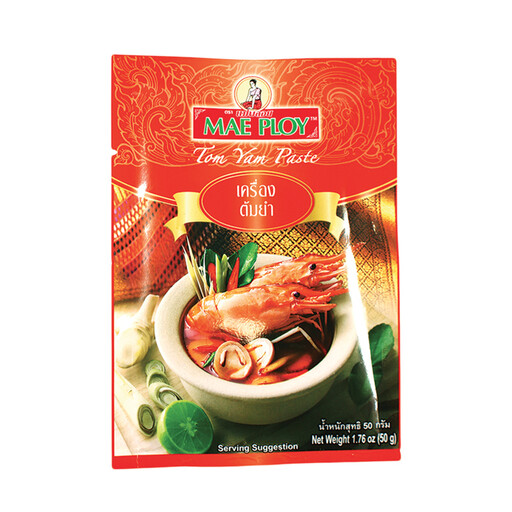
Why this product suits this profile: The small pack is ideal for occasional tom yum dishes when you do not need a large size for keeping in the cupboard.
The ingredients list includes lemongrass, galangal, chilli, shrimp paste and fish sauce, among others. This allows you to check the allergen profile before buying.
Compact 50-g format and a clearly recognisable tom yum ingredient profile.
We have put together a complete, regularly updated list of products that fully meet these strict selection criteria and the safety regulations applicable in the EU.
For a Korean soup base, options include doenjang tablets or a beef seasoning mix. A Thai soup base is often flavoured with lemongrass, galangal and chilli. If you are looking for a neutral foundation, choose bouillon and stock, such as vegetable or chicken bouillon. For Japanese dishes with a more delicate fish umami flavour, dashi powder or kombu soup stock are good choices.
With any instant soup base or Asian spice paste, pay attention to the dosage, salt content, ingredients and allergens. This helps you choose products that suit your own recipes and dietary requirements.
That depends on the product format. Liquid concentrates and pastes are diluted with water, while powders and tablets are dissolved in hot water. Follow the precise quantity stated in the instructions on the packaging. The broth is then heated and combined with your chosen ingredients.
Unopened products are generally stored in a cool, dry place away from light. After opening, many pastes and liquid concentrates need to be kept in the fridge. The exact use-by period varies, so always follow the information on the packaging and label.
Liquid ramen concentrates, tonkotsu products and Japanese dashi broths all work well with ramen. Before buying, check whether the product contains fish, soya, wheat or pork, and confirm the dilution ratio recommended for your desired portion size.