
Lieferung heute & morgen

Qualitätsgarantie

Willkommens-Angebote freischalten: KOSTENLOSE Lieferung | Bis zu 80 % RABATT | Kostenlose 30-Tage-JoyPlus-Testphase
App herunterladen
Anyone looking to buy Asian spice pastes and soup bases online will find a wide selection from Japan, Thailand, India, Korea and China. However, the products differ considerably in terms of concentration, heat, salt content, allergens and intended use. Eye-catching packaging or a claim of “authentic flavour” is therefore not enough to base your decision on.
This Joybuy Product Recommendation Officer’s buying guide will help you choose suitable products for your household and avoid common buying mistakes.
A soup base is often highly concentrated and needs to be diluted with water or stock. For example, Lee Kum Kee Tom Yum Soup Base is used with 1.5 to 2 litres of boiling water. Daisho pastes recommend a ratio of approximately one part paste to five parts water.
Anyone who adds the paste straight to the pan or tastes it undiluted risks creating a dish that is excessively salty or intense. The preparation instructions on the packaging should therefore match your intended serving size before you buy.
Terms such as “Extra Hot”, “Mild” or “Thai Curry” provide an initial indication, but they are not always comparable across different brands. When choosing a curry paste, it is worth checking the chilli, pepper and recommended dosage.
Patak’s Extra Hot Curry Paste contains, among other ingredients, chilli powder, cumin and paprika. ASHOKA Curry Paste Mild, on the other hand, is intended for milder dishes. For households with different heat preferences, a less spicy base may be the more practical choice, as chilli can be added precisely to taste later.
Asian spice pastes may contain soya, wheat, fish, crustaceans, sesame or mustard. Daisho Crab Miso Hotpot Paste, for example, indicates the presence of soya beans and crustaceans. According to the product information, Lee Kum Kee Tom Yum Soup Base contains, among other ingredients, wheat, soya and sesame.
For a seasoning labelled Halal, the relevant certification should be checked directly on the product. Nan De Halal Chicken Stock Seasoning is offered as a Halal product and, according to the product description, has no declared allergens. However, the information on the packaging supplied with the product always takes precedence.
For hot pot and larger family portions, 750-g pouches such as the DAISHO Japanese Hot Pot Soup Base or the DAISHO Seasoning Paste for Crab Miso Hotpot are worth considering. They are diluted and combined with vegetables, tofu, meat, seafood or noodles.
Smaller packs, such as the 80-g Tom Yum base or the 50-g Mae Ploy Tom Yum paste, are better suited to trying a product and preparing individual soups or wok dishes. For frequent users, a larger pack may offer better value, provided it is properly refrigerated or tightly sealed after opening.
Many seasoning products contain salt, sugar or flavour-enhancing ingredients in concentrated form. Beksul Dasida Beef Flavor, for example, lists 55 g of salt per 100 g, while Lee Kum Kee Tom Yum Soup Base lists 95 g of salt per 100 g. This does not mean that this amount is consumed directly, as the products are diluted or used in measured quantities. It does, however, show why you should only add extra salt after tasting the dish.
If you are looking for a recipe with clearly visible spices, check the ingredients list for lemongrass, galangal, coriander, cumin, ginger or garlic. Similar rules apply to a spice mix for meat: Maggi Seasoning Mix 1 for Roasts & Meat, for example, lists pepper, onion, paprika, marjoram and garlic among its ingredients.
Pastes and liquid concentrates often require different storage from dry powders. Several products recommend keeping opened packs in the refrigerator. Dry seasoning mixes should be stored tightly sealed in a cool, dry place.
Pack size is particularly relevant for smaller households: a 400-g Thai curry paste may be suitable for regular curry dishes, while a 50-g Tom Yum paste leaves less unused product. The best-before date and specific usage instructions are shown on the packaging.
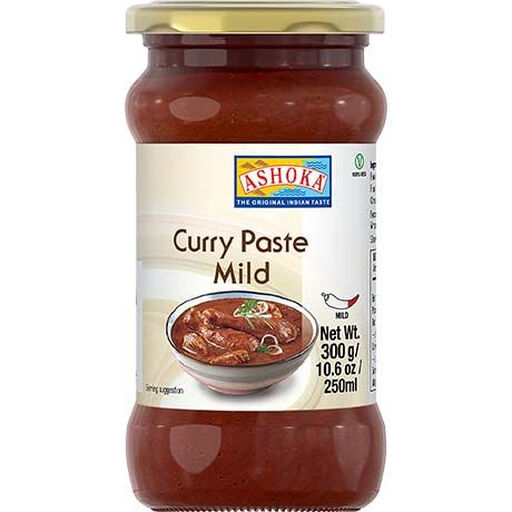
Why this product suits this profile: This mild curry paste offers an easy introduction to Indian dishes and can be combined with vegetables, pulses or meat.
The “Mild” label reduces the risk of choosing a paste that is too spicy for beginners. The ingredients list includes coriander, cumin, ginger and turmeric, among others.
300-g pack, dry storage before opening and versatile use for mild curry dishes.
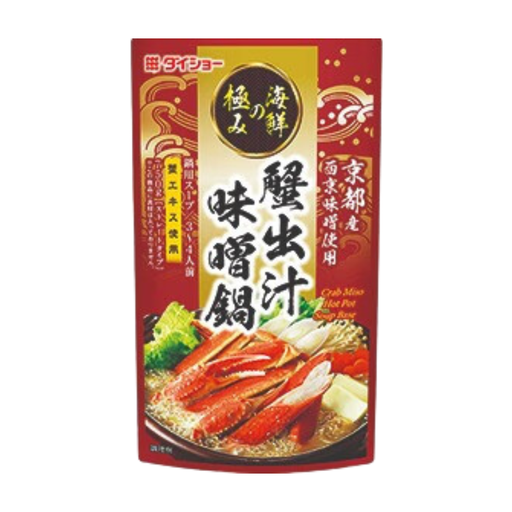
Why this product suits this profile: This Japanese hot-pot base combines miso with crab extract and is designed for nabe dishes with seafood, vegetables, tofu and noodles.
The recommended dilution ratio of approximately 1:5 makes it easy to measure out. The information about crustaceans and soya makes checking for allergens easier.
750-g pouch, origin Japan according to the product information, and intended use with several hot-pot ingredients.
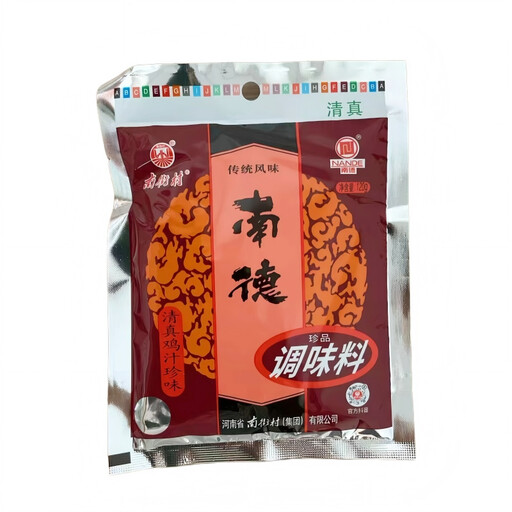
Why this product suits this profile: According to the product information, this Chinese chicken stock labelled Halal is suitable for soups, wok dishes, marinades, barbecue and filled dough dishes.
The possible uses and Halal labelling are clearly stated. This makes it easier to plan how to use the seasoning in different dishes.
120-g pack, dry storage and versatile use for seasoning soups, rice, noodles and meat.
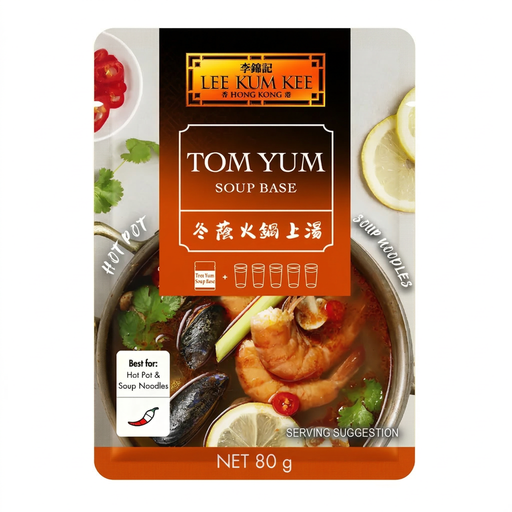
Why this product suits this profile: This concentrated Tom Yum paste is designed for soups, hot pot, noodle dishes and wok dishes, and can be used in measured portions.
The dosage instruction for 1.5 to 2 litres of water prevents the concentrate from accidentally being consumed directly or being overused.
Compact 80-g pack and ingredients including lemongrass, galangal, chilli, lime juice powder and kaffir lime leaves.
We have put together a complete, regularly updated list of products that fully meet these strict selection criteria and the safety regulations applicable in the EU.
This depends on the individual product. Opened pastes often need to be refrigerated, kept tightly sealed and used within the period stated on the packaging. Dry powders may remain usable for longer when stored in a dry, airtight environment. Any changes in smell, colour or consistency are a reason not to use the product.
For Japanese-style versions, miso or tonkotsu-style bases from Daisho are suitable, for example. For a Thai-style version, you could choose a Jaew Hon soup base or a Tom Yum paste. The key considerations are your preferred flavour, allergens, heat level and recommended dilution.
Some pastes can be used with vegetables, tofu or noodles but may still contain fish, crustaceans or meat ingredients. The ingredients list must therefore be checked before buying. For vegetarian dishes, choose products without animal-derived ingredients and combine them with a suitable vegetable stock.