
Lieferung heute & morgen

Qualitätsgarantie

Willkommens-Angebote freischalten: KOSTENLOSE Lieferung | Bis zu 80 % RABATT | Kostenlose 30-Tage-JoyPlus-Testphase
App herunterladen
By Joybuy Product Recommendation OfficerDate: 2026-07-28
The growing interest in Japanese skincare, often called J-Beauty, is undeniable in the West. Its philosophy, rooted in prevention, high-quality ingredients, and time-tested rituals, appeals to many who are searching for effective yet gentle solutions for their skin. However, getting started can be overwhelming. Many users invest in products that are popular due to marketing hype but don't suit their skin type or are applied incorrectly.
This guide is designed to provide clarity. We will highlight the most common pitfalls when buying J-Beauty products and explain the core principles that will help you make an informed choice that's right for you.
Before diving into the world of Asian beauty, it's helpful to know the typical hurdles that can lead to disappointment and unnecessary spending.
To avoid these pitfalls, it's crucial to understand a few fundamental J-Beauty concepts. These parameters are the key to selecting products that truly work.
Double Cleansing is the cornerstone of the Japanese evening routine. It's a two-step process that ensures the skin is completely cleansed of all types of impurities without stripping its protective barrier.
Many J-Beauty formulations are based on traditional, natural ingredients. Instead of being guided by vague promises, it's wise to know their objective properties.
The terminology in J-Beauty can differ from that in the West.
Based on these criteria, we have compiled a selection of products tailored to specific needs and user profiles.
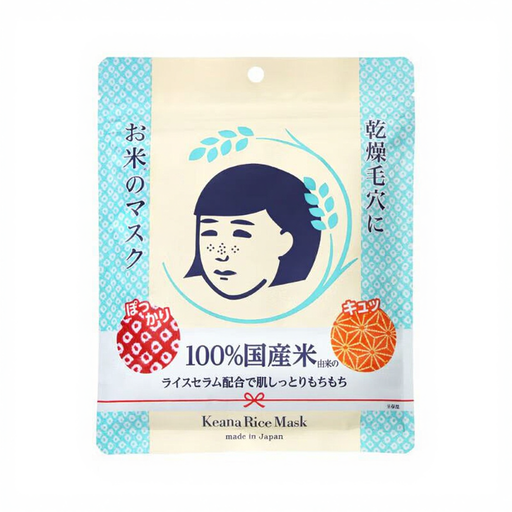
Why This Fits Their Persona: Ideal for individuals dealing with the common problems of dehydration and consequently enlarged pores. The sheet mask is easy to use and delivers quick, visible results thanks to its rice serum formulation—perfect for an introduction to J-Beauty.
Instead of relying on vague hype, this product specifically targets pores caused by dryness with a targeted formulation of 100% Japanese rice serum.
Provides intense hydration that plumps the skin and visibly refines the appearance of pores. The thick sheet mask ensures optimal delivery of active ingredients.
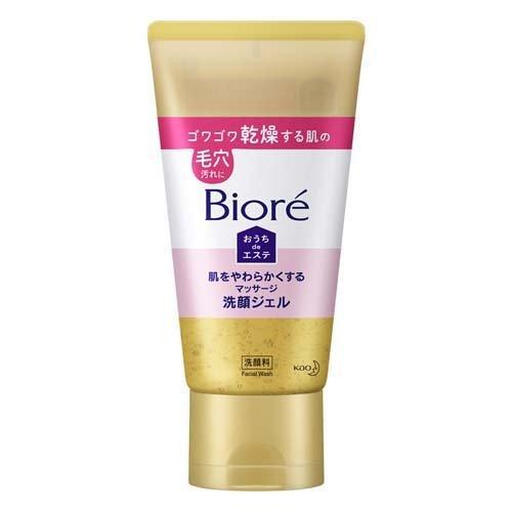
Why This Fits Their Persona: This person is looking for an effective solution for clogged pores and blackheads without damaging the skin barrier. The non-foaming gel is designed for daily use and cleanses deep into the pores without drying out the skin.
Unlike harsh scrubs or stripping cleansers that can stimulate sebum production, this gel gently dissolves hardened sebum (keratin plugs), preventing the cycle of dryness and oil overproduction.
The advanced gel technology allows for a deep pore cleanse while maintaining the skin's moisture balance. Ideal for use in the shower.
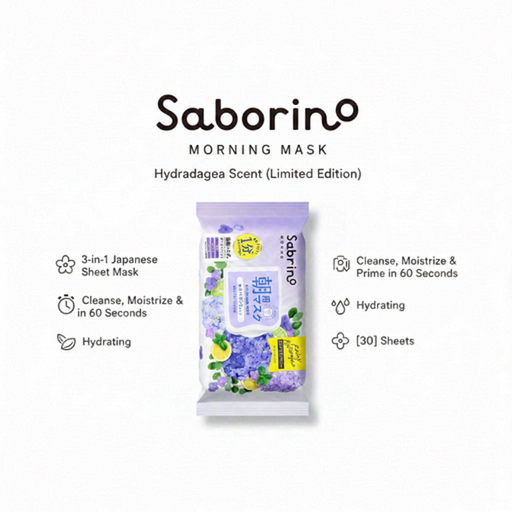
Why This Fits Their Persona: Perfect for professionals or parents with a hectic morning. This product combines cleansing, moisturizing, and a makeup primer in a single step that takes only 60 seconds. It offers maximum efficiency without compromising on care.
It bypasses the complexity and time commitment of a multi-step routine by bundling the essential morning steps into a single, highly effective product. This prevents application errors and saves valuable time.
A 3-in-1 treatment (cleanse, moisturize, prime) in just 60 seconds. The skin is left instantly refreshed, hydrated, and ready for makeup.
We have compiled a complete, real-time updated list of products that fully meet these strict selection criteria and all relevant safety regulations.
Although both fall under the category of Asian beauty, there are philosophical differences. J-Beauty often focuses on a simpler, preventative routine with traditional ingredients and science-backed formulations. The goal is long-term healthy and resilient skin. K-Beauty is known for its innovation, trendy ingredients, playful packaging, and often more extensive routines with up to ten or more steps.
The frequency of use depends on the type of mask. Moisturizing sheet masks, like the Keana Nadeshiko Japanese Rice Face Mask, can be used 2-3 times a week or even daily if needed to intensely hydrate the skin. Treatment masks, such as wash-off clay masks or those with exfoliating acids, should be used less frequently, typically 1-2 times a week, to avoid overwhelming the skin. Always follow the instructions on the product packaging.
Yes, the method is actually particularly well-suited for these skin types. The key is choosing the right products. A gentle oil cleanser effectively removes makeup and sunscreen without friction, which is gentle on the skin. A subsequent mild, pH-neutral, water-based cleanser cleans the skin without stripping its natural oils and drying it out. For dry skin, it's important to choose a cleanser that contains hydrating ingredients like hyaluronic acid or amino acids.