
Lieferung heute & morgen

Qualitätsgarantie

Willkommens-Angebote freischalten: KOSTENLOSE Lieferung | Bis zu 80 % RABATT | Kostenlose 30-Tage-JoyPlus-Testphase
App herunterladen
A bamboo serving platter brings a natural and stylish aesthetic to your table. It's often the top choice for eco-conscious and style-savvy hosts. However, the market is crowded, and not every product advertised as "bamboo" meets expectations for quality and durability. Before you make a decision, it's crucial to understand the most common pitfalls that can lead to buyer's remorse.
As your Joybuy Product Recommendation Officer, I'm here to help you separate marketing claims from reality. This guide focuses on the three most frequent issues and shows you what to look for to find a functional and long-lasting product.
The 3 Most Common Pitfalls When Buying Bamboo Tableware:
To avoid these problems, you should base your choice on objective features. The following three points are critical for the quality and functionality of your new bamboo serving platter.
Pay close attention to the exact material specifications. Products made from 100% bamboo are generally the more solid choice. A wooden serving board is a classic alternative, but bamboo stands out as a particularly resource-efficient raw material due to its rapid growth. If you value sustainable serveware, an FSC (Forest Stewardship Council) certification can be an additional indicator of responsible sourcing. The finish should be smooth and free of splinters, especially along the edges.
Think carefully about what you will primarily use the product for. Its functionality is heavily dependent on its shape:
A crucial quality feature is a high-quality, food-safe sealant. It protects the material from moisture and discolouration and makes cleaning easier. Check the manufacturer's instructions: most bamboo products are not dishwasher-safe and should be cleaned by hand with a mild detergent. Proper care is the key to a long lifespan.
Based on the criteria above, we have selected a few products from our range that are suitable for different user profiles.
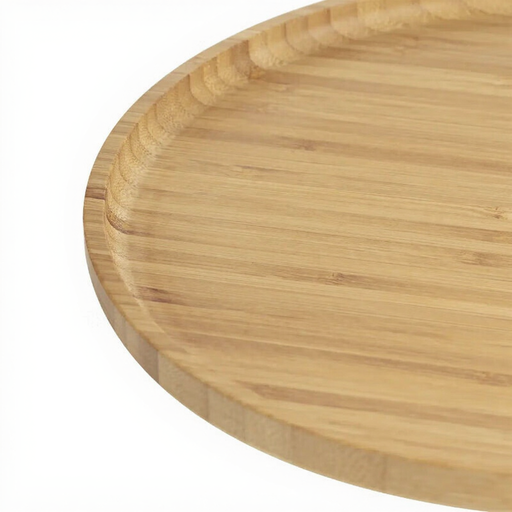
Why it's a great fit: Ideal for anyone looking for a simple, versatile, and affordable entry-level piece. Perfect for serving small snacks, as a coaster for a bowl, or as a base for decoration.
The product is explicitly declared with bamboo material, indicating pure material. The simple, flat design without joints avoids the pitfall of an impractical, hard-to-clean object.
Its suitability for professional use, as stated by the manufacturer J J A, suggests a robust construction. The low weight (135 g) makes it very easy to handle.
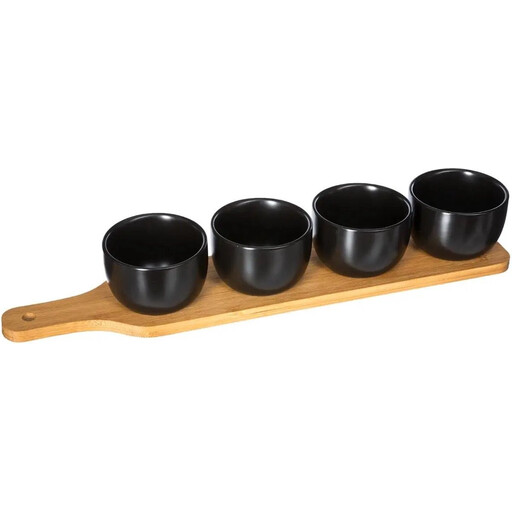
Why it's a great fit: This set is an all-in-one solution for serving tapas, dips, and snacks. The combination of natural bamboo and elegant black porcelain bowls creates a modern and appealing presentation for guests.
Separating the serving board from the bowls solves the problem of cleaning and moisture. The porcelain bowls are dishwasher-safe, while the bamboo board serves only as a carrier, protecting it from direct contact with moist foods.
The set is multifunctional and, according to the manufacturer, BPA-free. The combination of different materials offers both aesthetic and practical benefits for an original table presentation.
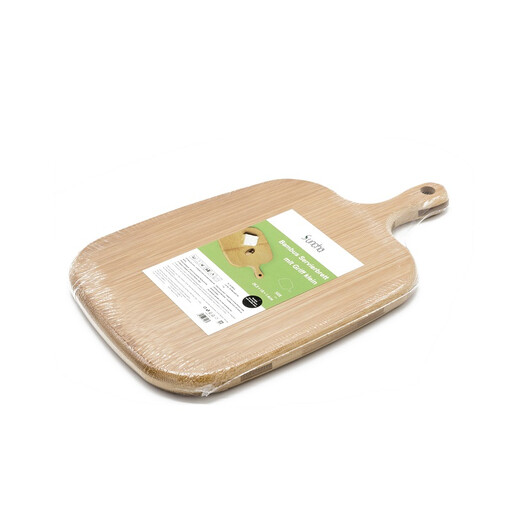
Why it's a great fit: For daily use where functionality is paramount. The integrated handle makes this tray a practical tool for serving breakfast, drinks, or organising spices on the dining table.
This tray directly addresses the pitfall of impractical design. The integrated short handle ensures a secure and comfortable grip, making the transport of items easy and stable, which is often lacking in purely decorative platters.
The robust bamboo construction combined with its ergonomic design makes it a durable and versatile everyday item that blends minimalist charm with high functionality.
We have compiled a complete, up-to-date list of products that fully meet these strict selection criteria and UK regulations.
1. How do you clean a bamboo serving platter correctly? Cleaning should always be done by hand with a soft cloth, lukewarm water, and a mild detergent. Avoid soaking the platter in water for extended periods. Dry it thoroughly with a cloth immediately after cleaning and store it in a dry, well-ventilated place to prevent warping.
2. Is bamboo tableware truly sustainable? Bamboo is a rapidly renewable resource that requires fewer resources to grow compared to hardwoods. This makes products made from pure bamboo a fundamentally eco-friendly choice. Look for products without plastic additives and, if possible, certifications like FSC to ensure the bamboo comes from responsibly managed sources.
3. Can you serve hot food on a bamboo serving platter? Bamboo has a natural heat resistance that is generally sufficient for serving warm food. However, avoid direct contact with very hot pots or pans straight from the stove, as this can cause scorch marks or damage the sealant. For such purposes, a separate trivet is the safer choice.