
当日/次日达

品质保障

开启新人专享福利: 全场免邮 | 低至 2 折 | 免费试用 30 天 JoyPlus 会员
下载 Joybuy
When you buy BBQ seasonings and sauces, you’ll often want to use them to add flavour to several dishes: meat, vegetables, tofu, marinades or dips. The choice ranges from classic barbecue seasoning and BBQ rubs to grilling seasonings and international barbecue sauces. However, products can vary significantly in their ingredients, salt content, heat level and pack size.
Terms such as “smoky” or “Woodsmoke” describe the flavour, but don’t necessarily tell you how it was made. Products may contain smoke components or smoke flavourings, for example. If you prefer a clean, dry smoky flavour, look for ingredients such as smoked paprika or smoked paprika powder, and check the ingredients list.
A large pack of barbecue seasoning can be a good choice for restaurants, caterers or households that grill frequently. If you only use it occasionally, though, the powder may absorb moisture or lose its flavour. The best-before date, recommended storage conditions and a well-sealed container are therefore more important than the pack size alone.
Many BBQ sauces and rubs contain sugar, salt or syrup. There’s nothing inherently wrong with that if it suits the flavour you’re after, but it’s worth considering when choosing a product. A sauce with a high sugar content can caramelise or stick more quickly over direct, high heat. Seasoning mixes high in salt should also be used sparingly, especially if you’re already using soy sauce, salted marinades or side dishes.
The ingredients list on a BBQ seasoning mix should make it clear whether it contains mainly spices or also includes sugar, salt, starch, yeast extract and flavour enhancers. If you have an intolerance, pay close attention to the allergens highlighted on the label. Common allergens include soya, wheat or gluten, sesame, celery and peanuts.
For liquid products, it’s also worth checking how they’re intended to be used. A barbecue marinade is usually ready to mix with food, while a barbecue sauce can be used as a glaze, dip or ready-made seasoning.
Nutritional values are usually given per 100 grams or 100 millilitres, making it easier to compare products with different pack sizes. Here are some examples from the selection:
These figures show that you shouldn’t judge a sauce or seasoning mix on its heat or smokiness alone.
A rub is applied dry and sticks particularly well to lightly oiled meat, fish, vegetables or tofu. A sauce is suitable for brushing on, dipping or seasoning food after grilling. If a mix has a high salt content, measure it out carefully.
Weimen New Orleans BBQ Seasoning recommends using 30 to 50 g per 500 g of meat to make a marinade. For vegetables, around 20 g per 500 g is suggested. These manufacturer guidelines are a useful starting point, but you should adjust them to suit the ingredients, cooking time and your personal taste.
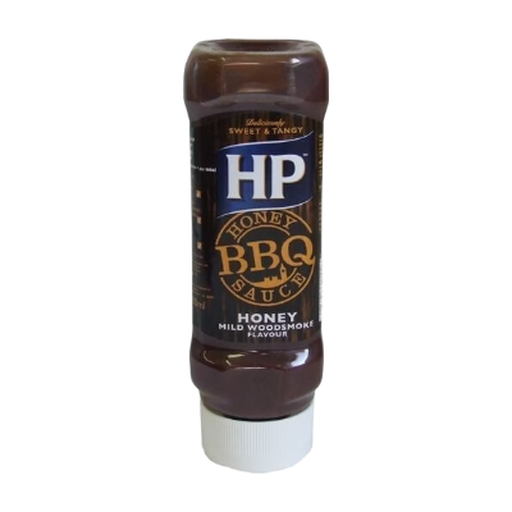
Why this product suits this profile: The 465 g bottle works as a sauce, dip or mild marinade, making it a versatile choice for several typical barbecue uses.
The product description lists the ingredients, as well as the sugar and salt content. This makes it easier to get a sense of its sweet, smoky flavour before you buy.
According to the product information, it contains no artificial colourings or preservatives and is suitable for vegetarians. Follow the packaging instructions for storage after opening.
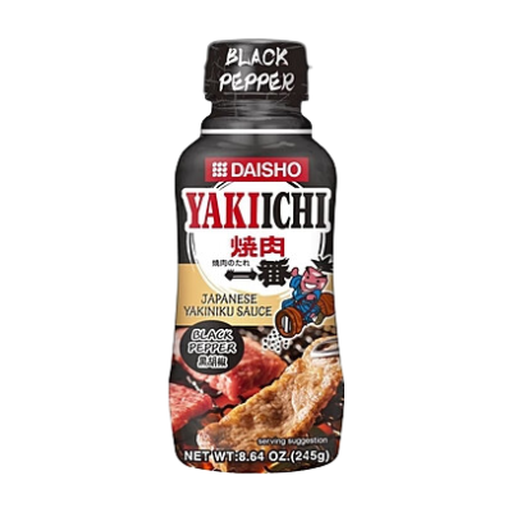
Why this product suits this profile: According to the product description, the sauce combines black pepper, soy sauce and onion flavours, making it a good choice for fans of Japanese-style barbecue sauce.
The label clearly identifies wheat and soya. Its high salt content of 12.1 g per 100 ml is worth bearing in mind when planning your recipe.
According to the product information, it’s suitable for barbecued meat, stir-fries and dipping. Refrigerate the bottle after opening and use it soon afterwards.
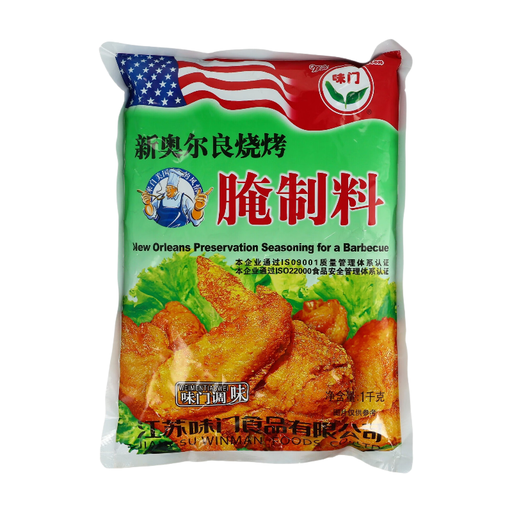
Why this product suits this profile: The 1 kg pack is designed for frequent use in larger households, restaurants, catering businesses or professional kitchens.
The pack size suits regular use and means fewer repeat purchases. However, with 25 g of salt and 45 g of sugar per 100 g, it’s still important to measure out the seasoning carefully.
Designed for meat, poultry and vegetables, and for marinating, dry seasoning, baking and frying. According to the product information, it contains soya and wheat.
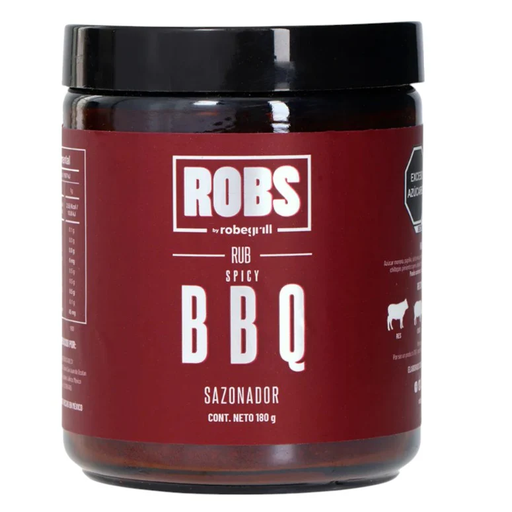
Why this product suits this profile: According to the ingredients list, the mix combines paprika, chipotle, chiltepin and cayenne pepper with brown sugar and spices.
The listed chilli varieties give you a clearer idea of the heat to expect. Bear in mind the stated salt content of 11.3 g per 100 g when deciding how much to use.
Use it as a dry rub, applied directly to meat or vegetables. The product information notes that the mix may clump; shaking it can help distribute it evenly again.
For a dry, smoky flavour, try Kotányi Smoked Paprika Powder 40g. According to the product information, it’s made from ground, dried paprika and contains 0.11 g of salt per 100 g. The powder can be used in rubs, marinades, sauces or vegetable seasonings.
If you’re looking for an Asian BBQ sauce with a hint of garlic, consider DAISHO Yakiniku Ichiban Garlic BBQ Sauce 240g. The ingredients list includes soy sauce, garlic, miso, apple sauce, sesame oil and roasted white sesame, among other ingredients. It contains wheat, soya and sesame.
When choosing dry seasonings from international cuisines, check the allergens and heat level carefully. This is particularly important for products containing chilli, cumin, Sichuan pepper or sesame.
We’ve put together a complete, regularly updated list of products that meet these strict selection criteria and comply fully with the safety regulations in force in the EU.
Dry rubs containing paprika, garlic, onion, pepper, herbs or smoked paprika work well with vegetables. Lightly oil the vegetables before seasoning them. If you’re using a mix that’s high in salt, leave out any extra salt.
Sweet sauces are often added towards the end of grilling, as the sugar can caramelise and stick at high temperatures. You can serve them as a dip at any point during cooking. Check the label for specific storage instructions after opening.
A large pack is best value if you use it regularly, cook large quantities on the barbecue or need it for commercial use. For the occasional barbecue, smaller packs are often easier to finish. The key things to consider are how much you’ll use, the best-before date, where you’ll store it and how well it seals.