
Lieferung heute & morgen

Qualitätsgarantie

Willkommens-Angebote freischalten: KOSTENLOSE Lieferung | Bis zu 80 % RABATT | Kostenlose 30-Tage-JoyPlus-Testphase
App herunterladen
Hotpot is all about quick cooking, flavourful broth and ingredients you can cook right at the table. But when buying beef for hotpot, a few common misconceptions can lead to unnecessary expense. Not every product labelled “hotpot beef” is sliced equally thin, not every large pack is right for a small gathering, and visible marbling alone is not enough to judge quality.
This buying guide explains what households, house shares and food-service businesses in Germany should look for when choosing sliced beef for hotpot, shabu-shabu and sukiyaki.
Thinly sliced beef is a practical choice for hotpot and shabu-shabu because it cooks quickly. If the slice thickness or recommended cooking method isn’t stated, the meat may take longer to cook in the pot and become firmer. Details such as 1 mm, 1.2 mm or 2 mm make it easier to choose.
A 200 g pack may be enough for a tasting or a small meal, while families and food-service businesses may prefer 500 g or 800 g packs. Buying a larger quantity isn’t automatically better value if you’re left with leftovers after defrosting. It’s also worth checking whether the slices can be taken out individually or come in a solid frozen block.
More heavily marbled Wagyu A5 beef has a higher fat content. According to the product information, Carnimex Shabu Wagyu A5 contains 25 g of fat per 100 g. This may be a good choice for a dedicated tasting, but it won’t suit every broth style or eating plan. Leaner products, such as certain Angus or beef neck slices, may be more suitable for larger portions and regular use.
For very short cooking times, 1 mm to 1.2 mm slices are particularly suitable. According to the product information, HVC Angus Beef is 1 mm thick, while HVC Rib Eye for hotpot is listed as 1.2 mm thick. A 2 mm slice, such as HVC Beef Neck, can be used for sukiyaki and quick pan-frying, but needs a little more attention in the pot.
The cut also affects the result:
When buying frozen beef, check the storage temperature on the packaging. Several of the products listed here specify –18 °C or below as the storage temperature. According to the product information, the meat must not be refrozen after defrosting. To help maintain its quality, defrost it in the fridge unless the packaging says it can be cooked directly from frozen.
Some products, including Yingfu YF Beef Slices, can be added to boiling broth while still frozen, according to the product information. This is handy when you want to add more in smaller portions as you eat together.
According to the product information, the ingredients list for the beef products featured here contains 100% beef, and each product is listed as containing no allergens. However, check the current packaging before buying, as the label and recipe are the definitive source of information.
Nutritional information per 100 g can help you plan quantities. According to the product information, Kinda Hotpot Beef Slice contains 20 g of protein and 4.5 g of fat per 100 g. Carnimex Shabu Wagyu A5 is listed as containing 23 g of protein and 25 g of fat per 100 g. These figures aren’t health recommendations; they’re provided to help you compare products.
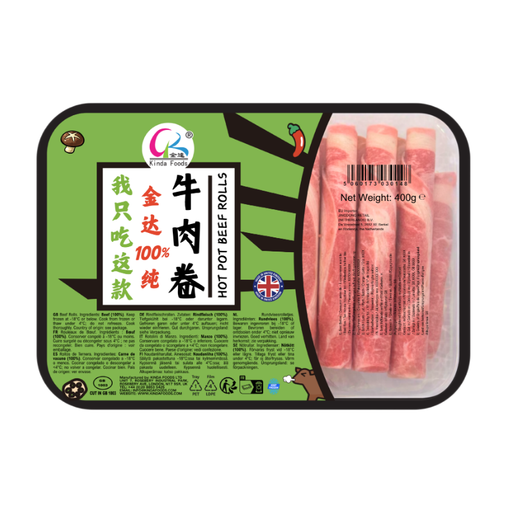
Why this product suits this profile: The 400 g pack is a manageable size for smaller households, house shares or a first hotpot night. According to the product information, the slices are machine-cut and uniform.
The clearly stated slice format avoids the uncertainty that comes with a large, unportioned block of meat.
400 g pack, uniform slices and, according to the product information, 20 g of protein per 100 g.
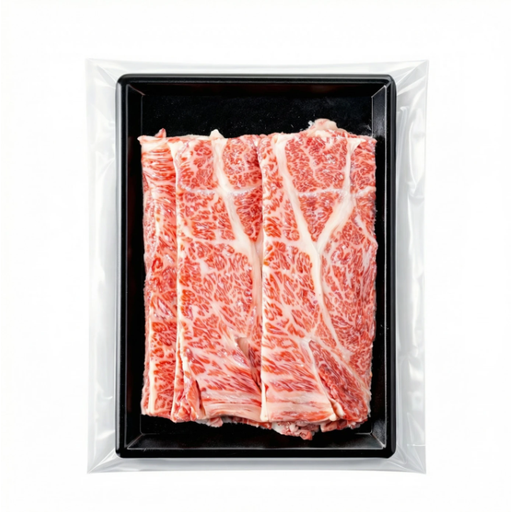
Why this product suits this profile: This 200 g pack of Wagyu A5, which according to the product information comes from Japan, is designed for portioned shabu-shabu meals and tastings.
The smaller pack reduces the risk of buying a fatty cut for a large group.
Thinly sliced, intended for shabu-shabu and listed, according to the product information, as containing 25 g of fat per 100 g.
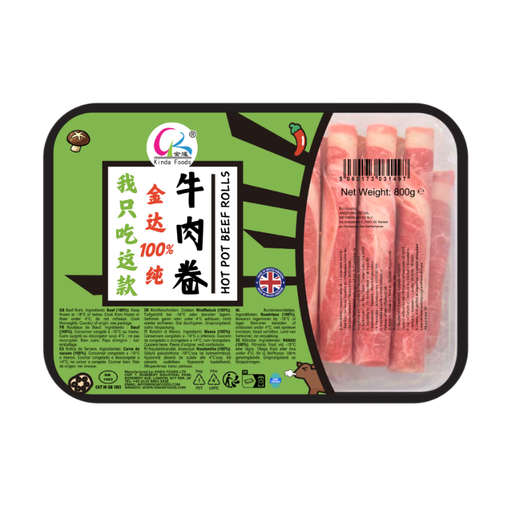
Why this product suits this profile: The 800 g pack is aimed at families, larger groups and professional kitchens. According to the product information, the beef rolls are individually frozen and uniformly sliced.
The portionable IQF format makes it easy to take out only what you need and avoids unnecessarily defrosting the whole pack.
800 g pack, British beef according to the product information, and storage at –18 °C or below.
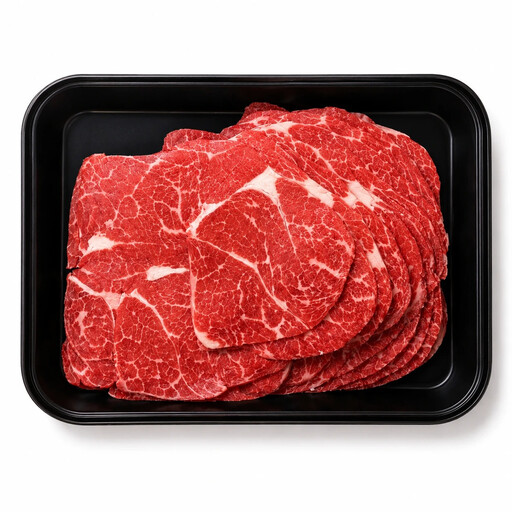
Why this product suits this profile: According to the product description, the 2 mm slices are intended for sukiyaki, hotpot and quick searing, making them a versatile choice.
The stated slice thickness makes it easier to choose than a vague description such as “thinly sliced”.
500 g pack, 2 mm slices and, according to the product information, 22 g of protein per 100 g.
Alongside sliced beef, vegetables, mushrooms, tofu, noodles and a suitable broth are popular hotpot ingredients. For an extra texture, try FRESHASIA Hot Pot Shabu Mini Fried Dough Stick 225g. According to the product information, it contains wheat and soya, should be stored frozen and can be added directly to simmering broth. The mini youtiao absorb liquid, so warm them briefly to stop them falling apart.
If you’re looking for a cut for broth or braising rather than thin slices, consider FRESHASIA Cubed Beef Brisket 700g. According to the product information, it contains 100% beef and is intended for soups, braised dishes and rich broths. It’s therefore not a direct substitute for classic sliced beef for hotpot.
We’ve put together a complete, regularly updated list of products that meet these strict selection criteria and fully comply with the safety regulations in force across the EU.
As a practical guide, allow around 150 to 250 g per adult, depending on the other ingredients. If you’re serving plenty of side dishes, vegetables and noodles, the lower amount is often enough. You may need more for a meat tasting or if your guests have a hearty appetite.
It depends on the product. According to the product information, some products can be added to the broth straight from frozen. Others should be defrosted in the fridge. Always follow the instructions on the individual pack. Defrosted meat should not be refrozen.
Very thin slices usually change colour in a short time. The exact cooking time depends on the slice thickness, broth temperature and how much meat is in the pot. For safe eating, beef should be cooked all the way through. Allow a little more time for thicker cuts, such as 2 mm beef neck slices.