
Lieferung heute & morgen

Qualitätsgarantie

Willkommens-Angebote freischalten: KOSTENLOSE Lieferung | Bis zu 80 % RABATT | Kostenlose 30-Tage-JoyPlus-Testphase
App herunterladen
A clogged drain in the kitchen or bathroom is more than just an annoyance. Standing water, unpleasant odours, and the worry of expensive repair bills can disrupt your daily life. Grabbing the first drain cleaner off the supermarket shelf seems like the quickest solution. However, the selection is vast, and not every product is suitable for every problem or every type of pipe. The wrong choice can worsen the clog or even lead to costly damage to your plumbing.
As your Joybuy Product Recommendation Officer, I'm here to help you see through the marketing hype and make an informed decision. This guide will walk you through the most common pitfalls and highlight the crucial parameters you should consider to get your drain flowing freely again.
Before reaching for a solution, it's important to understand the typical mistakes that often do more harm than good.
To find the right drain cleaner, you should consider two core aspects: the active ingredient base and the application form.
The chemical composition determines what a cleaner is most effective against.
The form of the cleaner influences how it reaches and acts on the clog.
Instead of making a one-size-fits-all recommendation, we've matched products to different needs and situations.
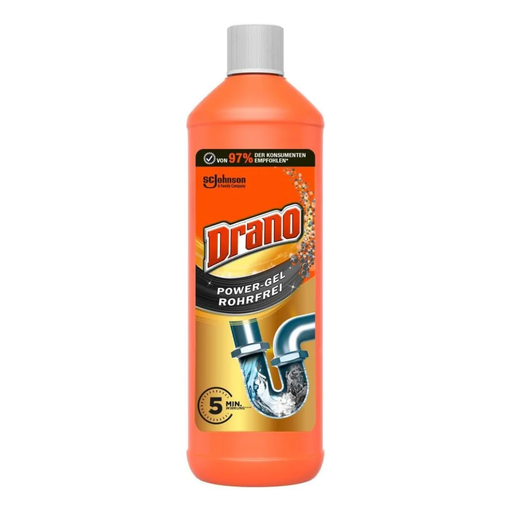
Why This Fits Their Persona: Ideal for emergencies when water in the sink or shower won't drain at all. This product is designed for a fast and powerful chemical reaction to dissolve tough blockages from grease and hair.
The dense gel formula is designed to sink through standing water and act directly on the clog. This minimises the risk of the active ingredient reacting in the wrong place—a common problem with liquid cleaners or improperly used granules.
According to the manufacturer, it works in as little as 5 minutes on minor clogs and is suitable for all common pipe types in kitchens and bathrooms.
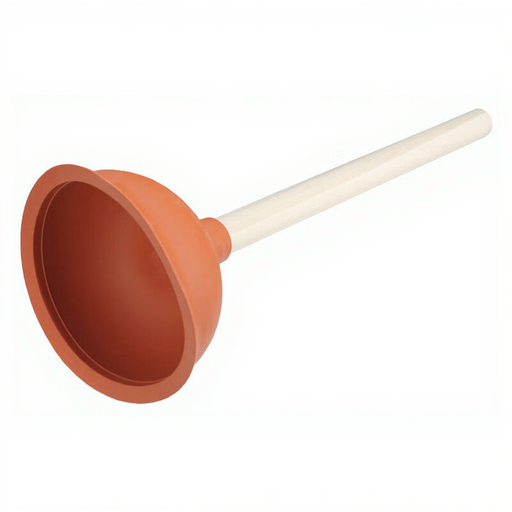
Why This Fits Their Persona: For households that prefer a reusable, chemical-free alternative for light to medium clogs. A one-time purchase that is ready for immediate use and saves money over time.
This tool completely bypasses the risk of chemical damage to pipes or seals. It solves the problem of resorting to aggressive cleaners for every minor issue, thus protecting plumbing installations in the long run.
Reusable and safe for all pipe types. The large, flexible rubber cup creates powerful suction to dislodge physical blockages without the use of chemicals.
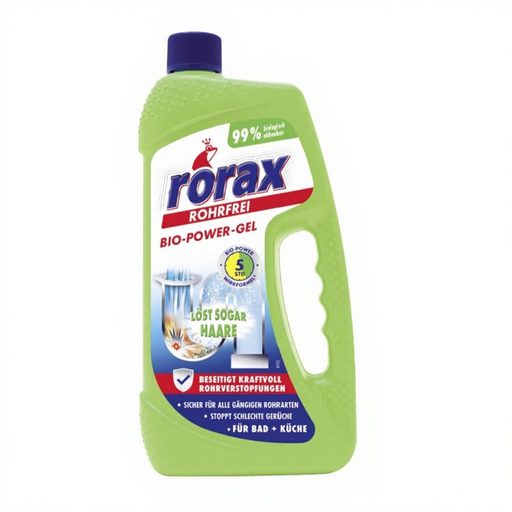
Why This Fits Their Persona: Perfect for regular maintenance to prevent clogs and odours from forming in the first place. Especially suitable for households looking to minimise the use of aggressive chemicals.
This product addresses the pitfall of material incompatibility. According to the manufacturer, its Bio-Safe formula is designed to be gentler on pipes and seals than highly alkaline cleaners, making it suitable for regular, preventative use.
Based on a biologically-oriented formula. Works preventatively against odours and early-stage build-up without putting heavy strain on the pipes. Suitable for all standard household drains.
We have compiled a complete, up-to-date list of products that fully meet these strict selection criteria and all relevant safety regulations.
1. How often should you use a drain cleaner preventatively? The frequency depends on the product type. Biological cleaners can often be used monthly to prevent odours and minor build-up. Strong chemical cleaners should be used much less frequently and only when necessary to avoid putting unnecessary stress on your pipes. Always follow the application instructions on the product packaging.
2. Can a chemical drain cleaner damage my pipes? Yes, that is a possibility. Aggressive alkaline cleaners can attack the material, especially with improper use (e.g., overdosing, leaving it in for too long) or on very old metal pipes. Modern products are generally safe for common plastic (HT, PE) and metal pipes (copper, stainless steel) when used according to the instructions. If you're unsure, a mechanical or biological solution is the safer choice.
3. What should I do if the drain cleaner doesn't work? If one application doesn't produce the desired result, do not under any circumstances pour another chemical product down the drain. This can lead to dangerous chemical reactions and the release of toxic gases (e.g., chlorine gas). Instead, try a mechanical tool like a plunger or a drain snake. If the clog persists, the problem may be deeper in the plumbing system. In this case, it is advisable to contact a professional plumber.