
Lieferung heute & morgen

Qualitätsgarantie

Willkommens-Angebote freischalten: KOSTENLOSE Lieferung | Bis zu 80 % RABATT | Kostenlose 30-Tage-JoyPlus-Testphase
App herunterladen
A clogged drain is more than just an annoyance. Standing water and unpleasant odours can significantly disrupt daily life in your kitchen and bathroom. Grabbing the first drain cleaner you see on the supermarket shelf might seem like the quickest solution, but it often leads to disappointment and, in the worst-case scenario, costly damage. As your Joybuy Product Recommendation Officer, I'm here to help you navigate the most common pitfalls and make an informed decision.
Before you spend money on a product that won't solve your problem, you should be aware of these typical traps:
To find the right drain cleaner, you should check two core parameters instead of being swayed by marketing promises.
The composition determines a cleaner's mode of action and its area of application.
The form of the cleaner affects how it reaches the site of the blockage.
Here are some product recommendations tailored to specific needs and problems.
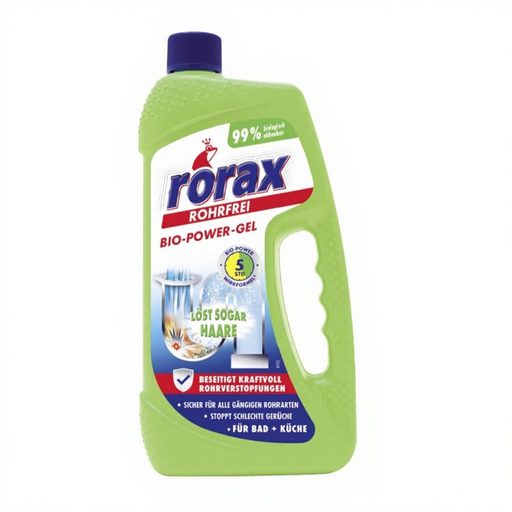
Why This Fits Their Persona: Ideal for individuals who want to prevent clogs rather than react to emergencies. The biological formula is designed for regular use to continuously break down deposits and neutralise odours.
This product bypasses the material damage trap. Its Bio-Safe formula is gentle on all common pipe types and seals, making it safe for continuous preventative use.
Eliminates odours and prevents clogs without aggressive chemicals. The overnight action time allows for a thorough yet gentle cleaning.
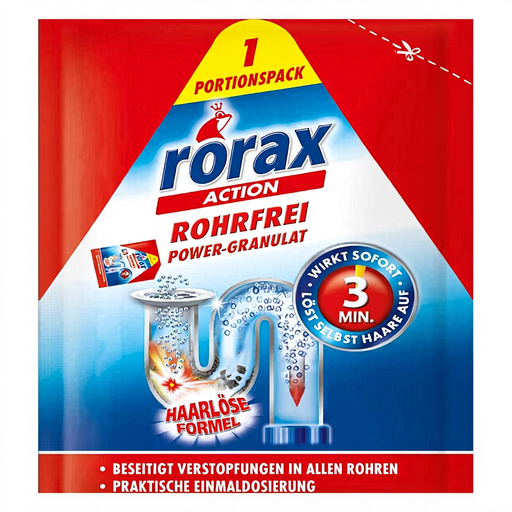
Why This Fits Their Persona: For acute emergencies when water is standing in the sink or shower. These granules are designed for a fast, powerful reaction to quickly dissolve even tough blockages from hair and grease.
It avoids the 'weak all-purpose cleaner' trap. Instead of a universal formula, it offers a highly concentrated dose specifically designed for the rapid decomposition of organic material, thus preventing the need for multiple applications.
Very fast-acting, working in just 3 minutes according to the manufacturer. The granule formula with sodium hydroxide is highly effective against hair and soap scum.
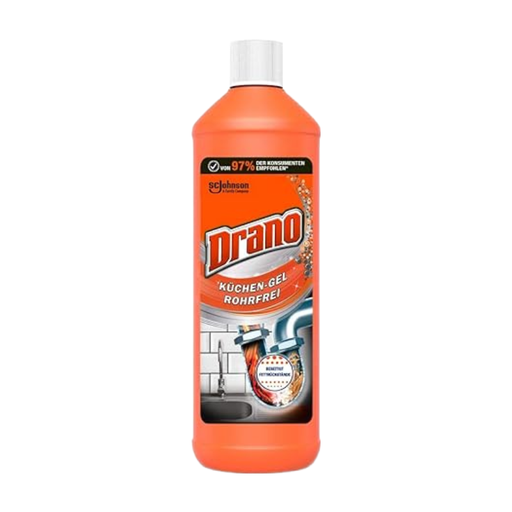
Why This Fits Their Persona: Perfect for use in the kitchen, where clogs are primarily caused by grease, oil, and food scraps. The formula is engineered to effectively break down these specific types of residue.
This product solves the 'one-size-fits-all' problem by clearly positioning itself as a specialist for kitchen drains. It directly targets the typical culprits found there, rather than promising a general effect.
The gel formula cuts through standing water to work directly on the clog. According to the manufacturer, it is safe for all pipe types and also eliminates unpleasant odours.
We have compiled a complete, up-to-date list of products that fully meet these strict selection criteria and all relevant safety standards.
1. How often should you use a drain cleaner preventatively? This depends on the product and your usage. For biological cleaners, a monthly application is often recommended to continuously break down deposits. For chemical cleaners, preventative use should be less frequent and only when you notice the first signs of a slow drain. Always follow the manufacturer's instructions on the packaging.
2. Can you use chemical drain cleaners in old pipes (e.g., lead or cast iron)? Extreme caution is advised here. Many modern, high-potency chemical cleaners can corrode old metal pipes. Always check the product label for explicit warnings or approvals for specific materials. When in doubt, it is safer to use a gentle biological cleaner or manual methods like a drain snake or a plunger to clear the drain.
3. What should you do if the drain cleaner doesn't work? If one or, at most, two applications according to the instructions do not bring any improvement, you must never mix different chemical products. This can lead to the release of hazardous gases (e.g., chlorine gas). Instead, try to clear the clog mechanically with a plunger. If this is also unsuccessful, you may be dealing with a deeper or more stubborn blockage that requires professional drain cleaning.