
Lieferung heute & morgen

Qualitätsgarantie

Willkommens-Angebote freischalten: KOSTENLOSE Lieferung | Bis zu 80 % RABATT | Kostenlose 30-Tage-JoyPlus-Testphase
App herunterladen
By the Joybuy Product Recommendation Officer, August 30, 2026
Glutinous rice, also known as sticky rice or sweet rice, is the soul of many beloved Asian dishes—from the Thai classic Mango Sticky Rice to savoury zongzi. But anyone looking to buy glutinous rice online is often faced with a confusing selection. The wrong varieties, unclear quality specifications, and unsuitable package sizes can quickly lead to disappointment in the kitchen. This guide will help you avoid the most common pitfalls and find the right glutinous rice for your needs.
Many home cooks unknowingly reach for the wrong product, making it impossible to achieve authentic results. Pay attention to these typical problems:
To ensure you get the right product for your culinary project, you should check two key parameters. These characteristics are crucial for the success of your dishes.
Choosing the right variety is the first step towards an authentic taste experience.
Another critical point that is often overlooked is the preparation. Unlike regular rice, glutinous rice is not simply boiled. The correct method is essential for the texture:
To make your decision easier, we have matched some products to typical user profiles.
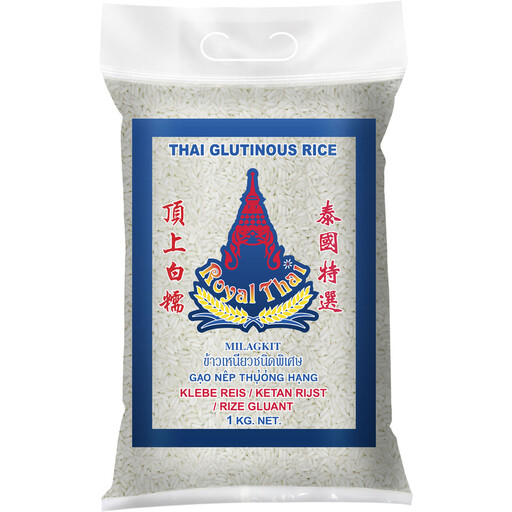
Why This Fits Their Persona: Ideal for anyone preparing authentic glutinous rice dishes for the first time. The 1 kg package is perfect for trying out recipes like Mango Sticky Rice without having to commit to a large quantity.
The clear labelling as "Glutinous Rice" (Sticky Rice) and its origin from Thailand prevent confusion with unsuitable rice varieties.
Delivers the classic sticky texture essential for traditional Thai and Southeast Asian dishes. Convenient household size.
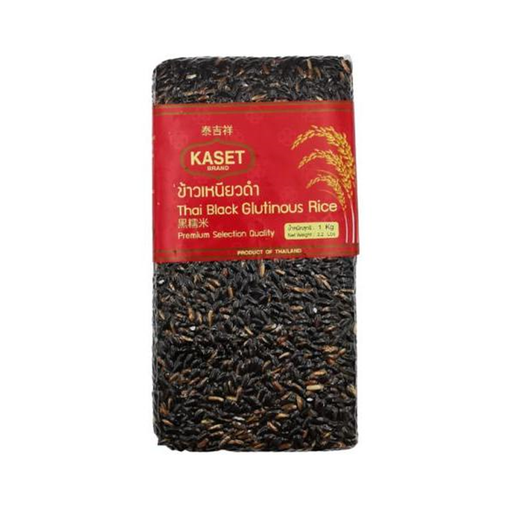
Why This Fits Their Persona: For cooks who want to go beyond the standard and add a special touch to their dishes. The nutty flavour and appealing colour enrich desserts and salads.
The clear designation as "Black Glutinous Rice" ensures that buyers receive a whole-grain product with specific properties and do not confuse it with white rice.
Offers a unique, chewy consistency and a rich, nutty flavour profile. According to the manufacturer, it is a natural source of fibre and antioxidants.
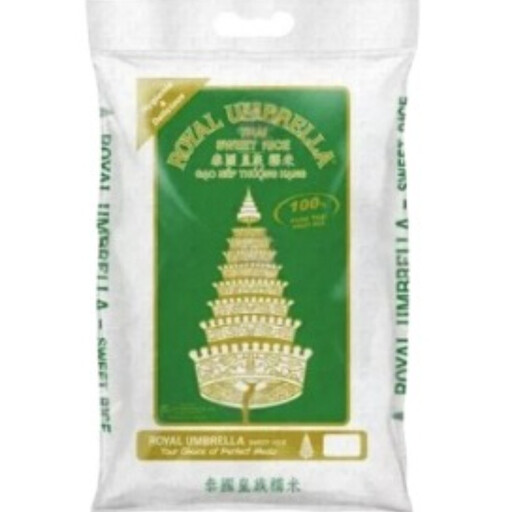
Why This Fits Their Persona: The 18 kg bulk package is a cost-effective solution for restaurants, catering services, or large families who regularly use glutinous rice and value consistent quality.
Buying a bulk package from an established brand like ROYAL UMBRELLA ensures reliable and consistent quality, which is essential for commercial use.
Excellent value for high-volume consumption. The quality of this Thai rice ensures authentic results with every preparation.
We've compiled a complete, up-to-date list of products that meet these strict selection criteria.
Yes, soaking is an indispensable step when preparing glutinous rice. It ensures that the rice grains absorb water evenly. This allows them to cook through during the subsequent steaming process and develop their characteristic soft and sticky texture without falling apart. A soaking time of at least four hours, or preferably overnight, is recommended.
The main difference lies in their starch composition. Glutinous rice consists almost entirely of amylopectin, which gives it its extremely sticky property. Sushi rice is a Japanese short-grain rice that also holds together well but has a higher proportion of amylose. It is therefore less sticky and has a different texture. Sushi rice is not a suitable substitute for dishes like Mango Sticky Rice.
To maintain freshness and protect the rice from moisture and pests, you should transfer it from the original bag into an airtight container. Store this container in a cool, dry, and dark place. This is especially important for bulk packages (e.g., 10 kg or more) to ensure quality over several months.