
Lieferung heute & morgen

Qualitätsgarantie

Willkommens-Angebote freischalten: KOSTENLOSE Lieferung | Bis zu 80 % RABATT | Kostenlose 30-Tage-JoyPlus-Testphase
App herunterladen
By Joybuy Product Recommendation Officer Published on August 29, 2026
The desire to prepare authentic Mango Sticky Rice or savoury Asian rice dishes starts with one crucial ingredient: the right sticky rice. But buying it can be unexpectedly complicated. The shelves are filled with packages whose labels often create more confusion than clarity. This guide will help you avoid the common pitfalls and make an informed decision, ensuring your next dish has that perfect, sticky consistency.
Many home cooks are disappointed with their first attempt because the result isn't what they expected. This is often due to choosing the wrong product, a mistake made easier by unclear labelling.
To avoid these mistakes, you should pay attention to three key parameters. These will help you objectively evaluate product characteristics and find the right rice for your needs.
The unique texture of sticky rice (also called glutinous rice) is due to its chemical composition. Rice starch is made of two molecules: amylose and amylopectin.
Look for the term "Glutinous Rice" or "Sticky Rice" to ensure you are buying a product with a high amylopectin content.
Sticky rice is available in different varieties that vary in taste, nutritional value, and use.
Choosing the right package size depends on your needs.
Based on the criteria above, we have put together a few products for different user profiles.
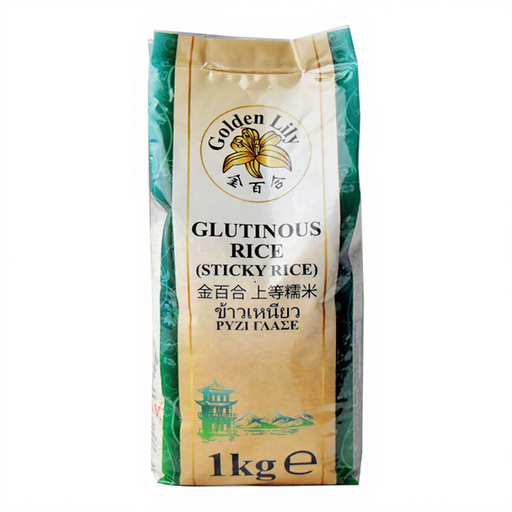
Why This Fits Their Persona: The 1kg package is ideal for learning how to prepare sticky rice without having to commit to a large quantity. It offers reliable quality for consistent results in both sweet and savoury dishes.
The clear "Glutinous Rice" label prevents confusion with other rice varieties. The manageable size minimises the risk of a bad purchase.
Convenient package size for occasional use; versatile enough for a range of Asian recipes.
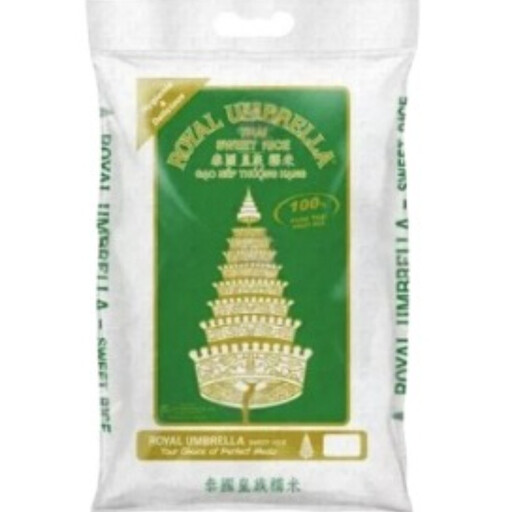
Why This Fits Their Persona: This bulk package offers excellent value for the high consumption needs of restaurants or households that cook Asian food regularly. The brand is known for its consistent quality.
Buying a large quantity from an established Thai brand ensures consistent quality and avoids the risk of batch variations that can occur with smaller, unknown brands.
Highly economical due to the 18kg bulk size; authentic Thai sticky rice for reliable results.
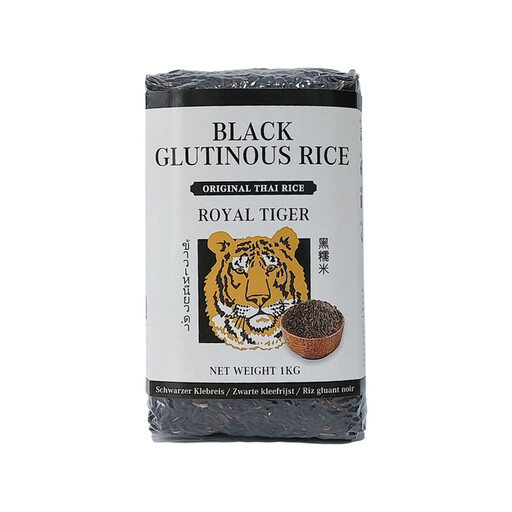
Why This Fits Their Persona: As a black sticky rice, this product is a whole-grain option containing more fibre and nutrients than white rice. Its nutty flavour and appealing colour are perfect for creative and health-conscious dishes.
This product is clearly labelled "Black Glutinous Rice," specifically serving the niche for whole-grain sticky rice. It avoids the trap of vague health claims by being an unprocessed, natural product.
Whole-grain product with a nutty flavour; rich in fibre; visually appealing for desserts and salads.
We've compiled a complete, up-to-date list of products that fully meet these strict selection criteria.
Yes, soaking is a crucial step. It ensures the rice grains absorb moisture evenly, resulting in a consistently sticky but not mushy texture when steamed or cooked. A soaking time of at least 4 hours, or ideally overnight, is recommended for most preparation methods.
Although both types of rice have sticky properties, they are fundamentally different. Sticky rice (glutinous rice) consists almost exclusively of the starch amylopectin, which gives it its extremely chewy, almost glue-like consistency. Sushi rice is a Japanese short-grain rice with a more balanced ratio of amylopectin and amylose. It sticks together enough to hold its shape, but the individual grains remain more defined than in sticky rice.
Yes, it's possible, although steaming is the traditional method for perfecting the texture. If you use a rice cooker, soak the rice as usual, rinse it well, and use slightly less water than for regular rice (a ratio of about 1:1 rice to water is a good starting point). After the cooking program finishes, let the rice continue to steam in the closed pot for another 10–15 minutes to optimise the result.