
Lieferung heute & morgen

Qualitätsgarantie

Willkommens-Angebote freischalten: KOSTENLOSE Lieferung | Bis zu 80 % RABATT | Kostenlose 30-Tage-JoyPlus-Testphase
App herunterladen
Nut bars are seen as a convenient snack for on the go. Whether at the office, after a workout, or while travelling, they promise quick energy and valuable nutrients. However, the market is overwhelming, and not every bar that looks healthy delivers on its promise. Before you buy a nut bar, it's crucial to know the typical pitfalls to make an informed decision.
As your Joybuy Product Recommendation Officer, I'm here to help you separate the wheat from the chaff. In this guide, I'll show you what to look for to avoid falling into the most common marketing traps.
The 2 Most Common Pitfalls When Buying Nut Bars:
To find the right snack bar for your needs, you should check three core aspects. These will help you objectively evaluate product quality.
The nutrition facts label is your most important tool. Pay attention to the "of which sugars" line. A high value often indicates added sugar. A low-carb bar should ideally have less than 10g of sugar per 100g. Also, check the ingredient list: if sugar, syrup, or honey is listed first, it's more of a candy bar than a nutritious snack. Some manufacturers use sugar alcohols like maltitol or erythritol. These have fewer calories but can have a laxative effect if consumed in excess.
For athletes and anyone looking for a satiating snack, protein content is crucial. A good nut protein bar should contain at least 20g of protein per 100g. The protein source is also relevant—whey, soy, or pea protein (for vegan nut bars) are commonly used. The nut content, often stated as a percentage, is a clear quality indicator. A high proportion of whole nuts or nut butter provides not only protein but also healthy fats and fibre, which is what defines an energy bar with nuts.
A short and understandable ingredient list is often a sign of a high-quality product. Look for whole nuts (e.g., a peanut bar with a high peanut content), seeds, and fruits instead of processed fillers. For individuals with intolerances, allergen labelling is critical. Many bars are available as gluten-free nut bars but may contain traces of other allergens due to the production process.
Based on these objective criteria, we have compiled a selection of products suitable for different needs and user profiles.
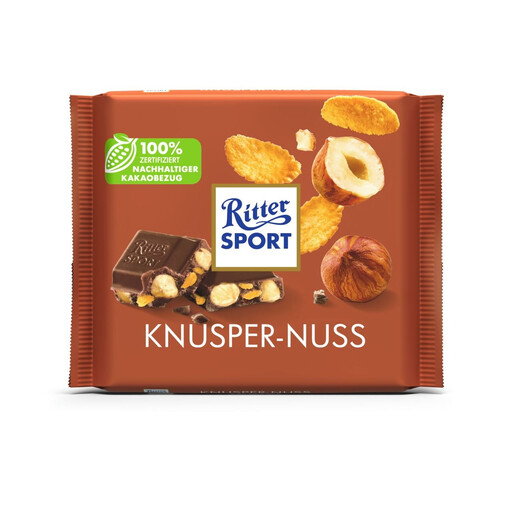
Why This Fits Their Persona: Ideal for anyone looking for a classic and straightforward chocolate bar with nuts. It's not a functional fitness snack, but a time-tested treat for in-between moments at a fair price.
This product is honestly marketed as chocolate, not a health bar. The expectations are clear: it's an indulgence, not a hidden sugar bomb under a false guise.
Offers a balanced combination of milk chocolate, whole hazelnuts (15%), and crispy cornflakes (5%). A familiar and reliable taste.
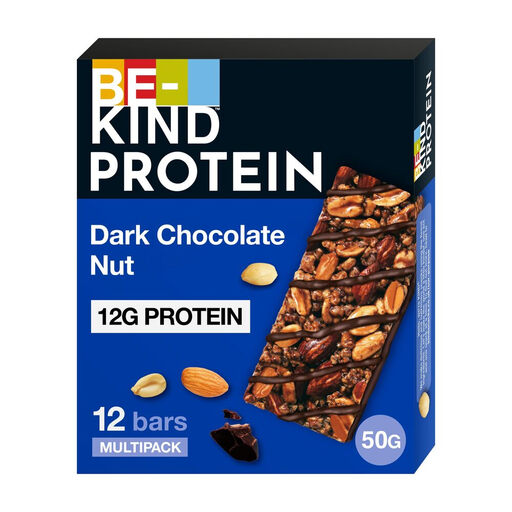
Why This Fits Their Persona: Designed for active individuals who need a reliable source of protein after a workout or as a meal replacement. The focus is on function without compromising on taste.
This bar avoids the deceptive packaging trap by making peanuts its main ingredient. The protein content is clearly declared and substantial at 23g per 100g (11.5g per bar).
High protein content from nuts and soy protein isolate. Gluten-free and rich in fibre. The convenient **nut bar box** is ideal for stocking up.
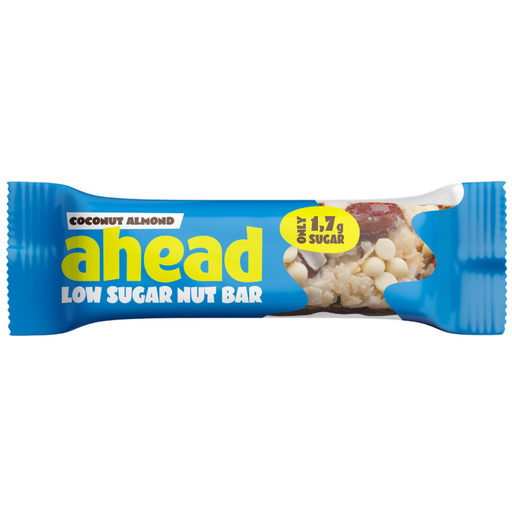
Why This Fits Their Persona: Perfect for the afternoon slump at the office. This bar provides long-lasting energy from fats and fibre without spiking blood sugar levels.
This bar is the direct answer to the sugar trap. With only 1.7g of sugar per bar and no added sugar, it is a true **low-carb bar**.
Very low sugar content with a high proportion of fibre and fat from almonds and coconut. Ensures a stable energy release without a crash.
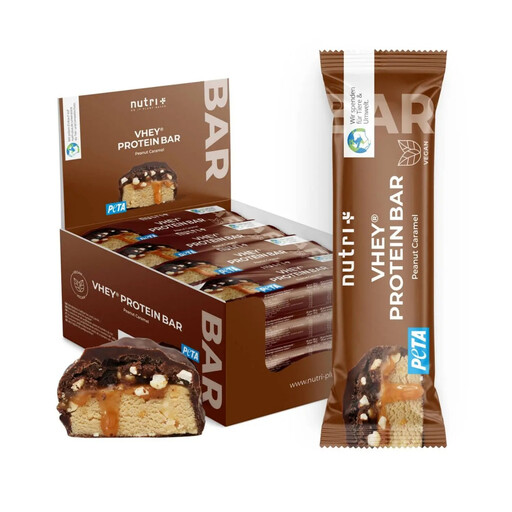
Why This Fits Their Persona: For anyone following a purely plant-based diet who is looking for a high-protein snack that serves as an alternative to traditional chocolate bars.
This bar is clearly declared as a **vegan nut bar** and uses pea protein. It avoids the trap of hidden animal-derived ingredients like milk powder or whey.
Provides 11g of plant-based protein per bar and is formulated with sweeteners instead of sugar. The high peanut content (14%) ensures an authentic nut flavour.
We have compiled a complete, up-to-date list of products that fully meet these strict selection criteria and UK/EU regulations.
1. How can I identify a truly low-sugar nut bar? The most reliable indicator is the nutrition facts label. Look for the "Carbohydrates" line and "of which sugars" beneath it. Products with less than 10g of sugar per 100g are considered low-sugar. Also, take a look at the ingredient list: if sugar, syrup, or honey are not listed among the top three ingredients, that's a good sign. Look for terms like erythritol, stevia, or maltitol, which indicate the use of sugar substitutes.
2. Are protein nut bars suitable for muscle building? A nut protein bar can be a convenient supplement to your diet, especially after a workout, to support muscle recovery. A bar with high protein content (e.g., 20g or more) can help you meet your daily protein needs. However, it should not replace a balanced diet with whole food protein sources like lean meat, fish, eggs, or legumes, but rather serve as a convenient on-the-go option.
3. What is the difference between a nut bar and an energy bar? The terms are often used interchangeably, but there are functional differences. A classic nut bar or chocolate bar with nuts focuses on taste and texture with a high nut content. An energy bar with nuts is more specifically formulated to provide readily available energy (often through a mix of simple and complex carbohydrates) for athletic activities. A nut protein bar, in turn, focuses on maximum protein content to support muscles. The choice, therefore, depends on your specific goal: indulgence, quick energy, or muscle support.