
Lieferung heute & morgen

Qualitätsgarantie

Willkommens-Angebote freischalten: KOSTENLOSE Lieferung | Bis zu 80 % RABATT | Kostenlose 30-Tage-JoyPlus-Testphase
App herunterladen
At first glance, protein bars can look very similar: compact in size, sporty packaging and words such as ‘Protein’, ‘Energy’ or ‘Natural’. But when choosing one, it’s the nutritional values, ingredients and intended use that matter. A protein bar for after strength training has different requirements from a carbohydrate-rich energy bar for a long bike ride.
A high protein content doesn’t automatically make a bar the right snack for you. A higher protein content can be useful in a bar for after training. Before or during longer periods of exertion, however, carbohydrates are often more important. A protein bar that’s low in carbohydrates therefore won’t serve the same purpose as an energy bar.
Check the figures per bar, not just per 100 g. A 40 g bar with 12 g of protein may be very different from a 90 g bar with 30 g of protein when it comes to choosing an everyday snack.
A muesli bar or Corny bar may contain no added table sugar, but still have carbohydrates from syrup, dried fruit or sweeteners. Check the full ingredients list and the nutritional information for carbohydrates and sugars.
Dried fruit, dates and fruit syrups also affect the sugar content. That’s not necessarily a drawback, but it should suit how you plan to use the bar.
Protein bars often contain milk, soya, eggs, peanuts, nuts or cereals containing gluten. Even a bar labelled vegan may contain traces of other allergens. So always check the allergen information on both the product page and the packaging before buying.
For a post-workout bar, protein bars containing around 25 to 34 g of protein per 100 g may be worth considering. The amount you get per serving depends on the bar’s weight. If you’re looking for a snack that will keep you feeling fuller for longer, you can also check the fibre content.
For endurance sports and longer periods of exertion, carbohydrate-rich bars are often a better fit. According to the product information, PowerBar Energize varieties contain around 70 g of carbohydrates per 100 g. That sets them apart from classic protein bars.
Individually wrapped bars are easy to carry in a gym bag or rucksack. When buying a bulk pack of protein bars, compare the total weight, number of servings and best-before date too. A pack of 12 bars weighing 55 g each isn’t directly comparable with 15 bars weighing 90 g each.
A multipack can be handy if you use bars regularly. If you only need a snack now and then, smaller packs may give you more flexibility.
Vegan protein bars often get their protein from soya or peas. Dairy-based varieties, on the other hand, often use whey protein or casein. The source of the protein affects whether a bar is suitable for a vegan diet, food intolerances and personal preferences.
Texture matters too: oat and muesli bars are often denser or higher in fibre, while coated protein bars can be softer. Chocolate coatings may melt in warm weather, so store bars somewhere cool and dry when taking them out in summer.
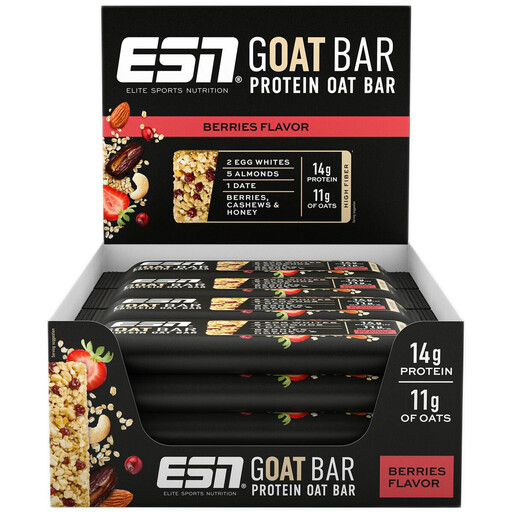
Why this product suits this profile: The multipack contains 12 individually wrapped 55 g bars. According to the product information, each 100 g contains 26 g of protein and 9.6 g of fibre. Oats, berries, almonds and cashews make this a good option for a snack between meals or before or after training.
The nutritional values are clearly given both per 100 g and per serving, making it easier to compare the bar with other protein bars.
26 g of protein and 9.6 g of fibre per 100 g; made in Germany; several sources of protein.
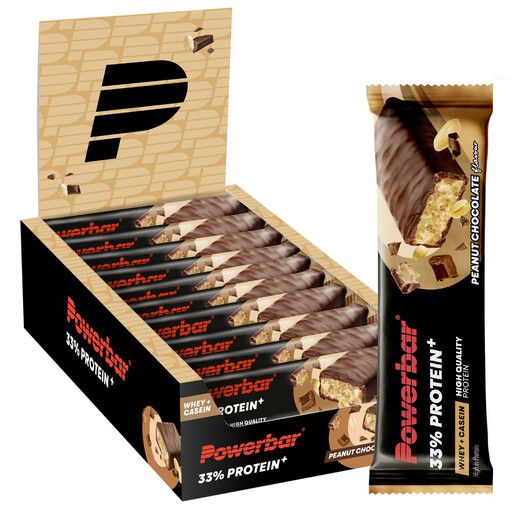
Why this product suits this profile: According to the product information, this bar combines whey and casein protein, contains 34 g of protein per 100 g and is listed as a vegetarian option. With 10 bars weighing 90 g each, it’s a good choice for regular use after training or as a high-protein snack.
The high protein content is listed alongside the serving size, ingredients and allergens. Please note that it contains milk, soya and peanuts.
34 g of protein and 12 g of fibre per 100 g; no aspartame, according to the product information.
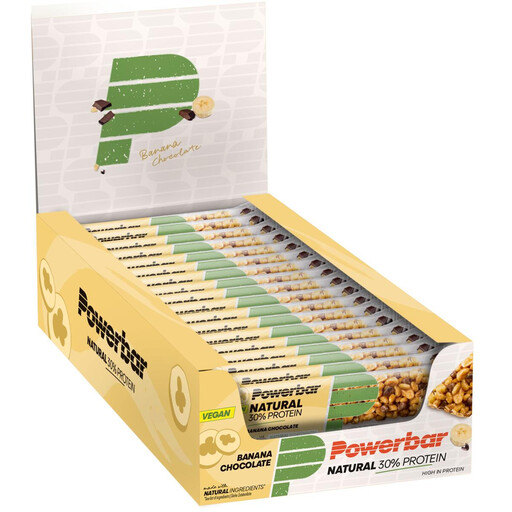
Why this product suits this profile: According to the product information, this vegan option contains 30 g of protein per 100 g and comes in a pack of 18 bars weighing 40 g each. Soya and pea protein, along with pieces of banana, make it a good plant-based snack after exercise or on the go.
The plant-based protein sources are clearly listed. The label also highlights soya and peanuts, and warns that the bar may contain traces of milk, gluten and nuts.
Vegan; 18 individually wrapped servings; 12 g of protein per 40 g bar, according to the product information.
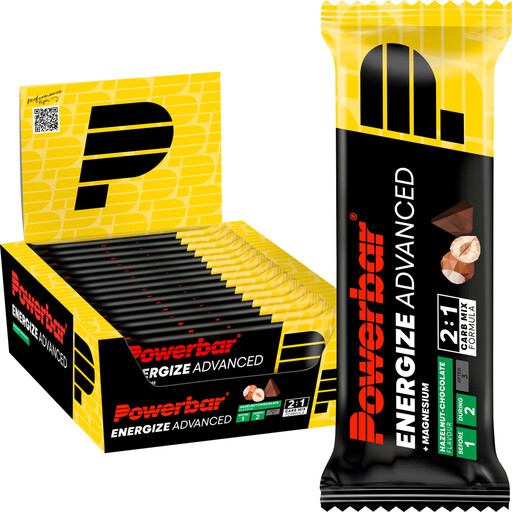
Why this product suits this profile: According to the nutrition table, this bar provides 70 g of carbohydrates per 100 g and contains sodium and magnesium. It’s better suited as an energy bar before or during longer periods of exercise than as a classic protein bar.
Its suitability is assessed by looking at the carbohydrates and serving size, rather than relying on a broad ‘protein’ label. The bar contains gluten, milk and hazelnuts.
70 g of carbohydrates per 100 g; 15 bars weighing 55 g each; sodium and magnesium, according to the product information.
We’ve put together a complete, regularly updated list of products that meet these strict selection criteria and comply fully with the safety regulations in force in the EU.
A bar after training can fit into your daily routine as a high-protein snack. Before training, your choice depends on the duration and intensity of your activity. For longer endurance activities, carbohydrate-rich bars are often a more obvious choice than protein-only bars. Check the manufacturer’s guidance on serving size and recommended use.
The best-before date is printed on each pack. Store unopened bars according to the storage instructions: keep them somewhere cool and dry, away from heat and direct sunlight. A melted chocolate coating mainly affects the texture. If the packaging is damaged or the bar has an unusual smell, don’t eat it.
Protein bars can be a convenient addition to your everyday routine, but they’re no substitute for a varied diet. If you eat them regularly, check the serving size, sugar and calorie content, and any potential allergens. If you have specific dietary requirements or health concerns, it’s a good idea to seek individual advice from a healthcare professional.