
Lieferung heute & morgen

Qualitätsgarantie

Willkommens-Angebote freischalten: KOSTENLOSE Lieferung | Bis zu 80 % RABATT | Kostenlose 30-Tage-JoyPlus-Testphase
App herunterladen
The selection of milk alternatives on supermarket shelves and online is constantly growing. But with variety comes questions: Which drink suits my coffee? Which one is truly sugar-free? And how do I recognise good value for money? As your Joybuy Product Recommendation Officer, I'll help you separate the wheat from the chaff and make an informed decision that fits your lifestyle.
Before we dive into the selection criteria, we should be aware of the typical marketing traps that often lead to a poor purchase.
To find the right milk alternative, you should check three core parameters. These will help you compare products objectively and make a choice that meets your needs.
The quality of a milk alternative starts with its ingredients. Pay attention to the following points:
A vegan milk substitute can be an important part of a balanced diet, especially when it provides targeted nutrients.
Not every milk alternative is equally suited for every purpose.
Based on the criteria above, we have compiled a few products for different user profiles.
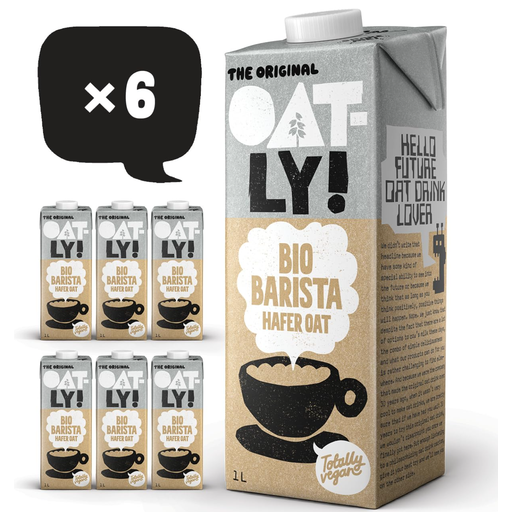
Why This Fits Their Persona: Ideal for coffee lovers who don't want to compromise on perfect milk foam at home. The formula is specially designed for preparing coffee specialities and delivers reliable results.
This product avoids the empty "Barista" promise by delivering excellent and stable foam, thanks to its 3.2% fat content and special formulation.
Excellent foamability for latte art; mild flavour that doesn't overpower the coffee's aroma; organic quality.
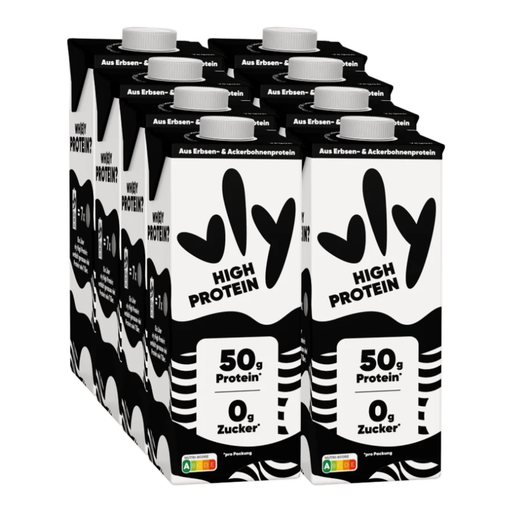
Why This Fits Their Persona: Perfect for anyone looking to increase their protein intake on a plant-based diet. Ideal for post-workout shakes, cereal, or simply as a nutritious drink on its own.
This product avoids the "health" trap through maximum transparency: 0 grams of sugar and a high protein content of 5 grams per 100 ml are clearly declared.
Very high protein content (50g per litre) from fava bean and pea protein; completely sugar-free; fortified with vitamins and minerals.
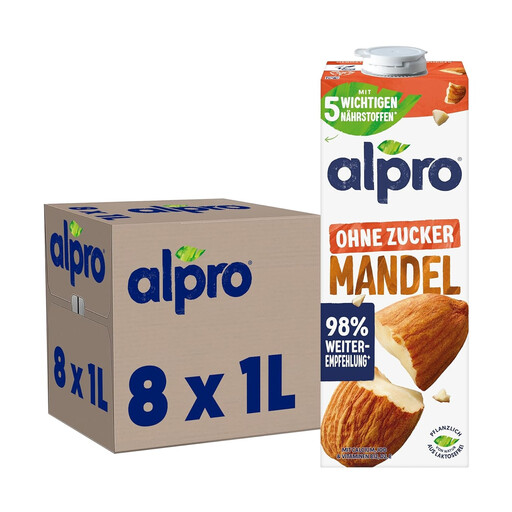
Why This Fits Their Persona: A versatile all-rounder for daily family use. Since it's sugar-free, it's suitable for cereal, smoothies, and cooking without adding extra sweetness to dishes.
Buying the 8-pack avoids the cost illusion of single cartons and secures a lower price per litre. The sugar-free formula also sidesteps the trap of an unhealthy "health drink".
Completely sugar-free and low in calories (13 kcal/100 ml); versatile in use; practical and cost-effective multi-pack.
We have compiled a complete, up-to-date list of products that fully meet these strict selection criteria and all relevant regulations.
Once opened, most plant-based drinks should be stored in the refrigerator and consumed within 4 to 5 days. Always check the manufacturer's instructions on the packaging, as shelf life can vary depending on the product and ingredients.
Generally, yes, but the results can vary. Unsweetened and neutral-tasting varieties like soy or almond drinks are the most versatile. An oat drink can add a slight sweetness, while drinks with added flavours (e.g., vanilla) will affect the taste of the dish. For sauces or creamy soups, products with a slightly higher fat content often work better.
No, there are significant differences. Foamability depends on the exact formula, especially the protein and fat content. Brands like Oatly or vly have specifically optimised their Barista Editions for stable, fine-pored foam that is also suitable for latte art. With lesser-known brands, the result can be disappointing. It's worth sticking to proven products if perfect foam is a priority.